Gabon rejects Trump’s migrant relocation proposal, affirms sovereignty
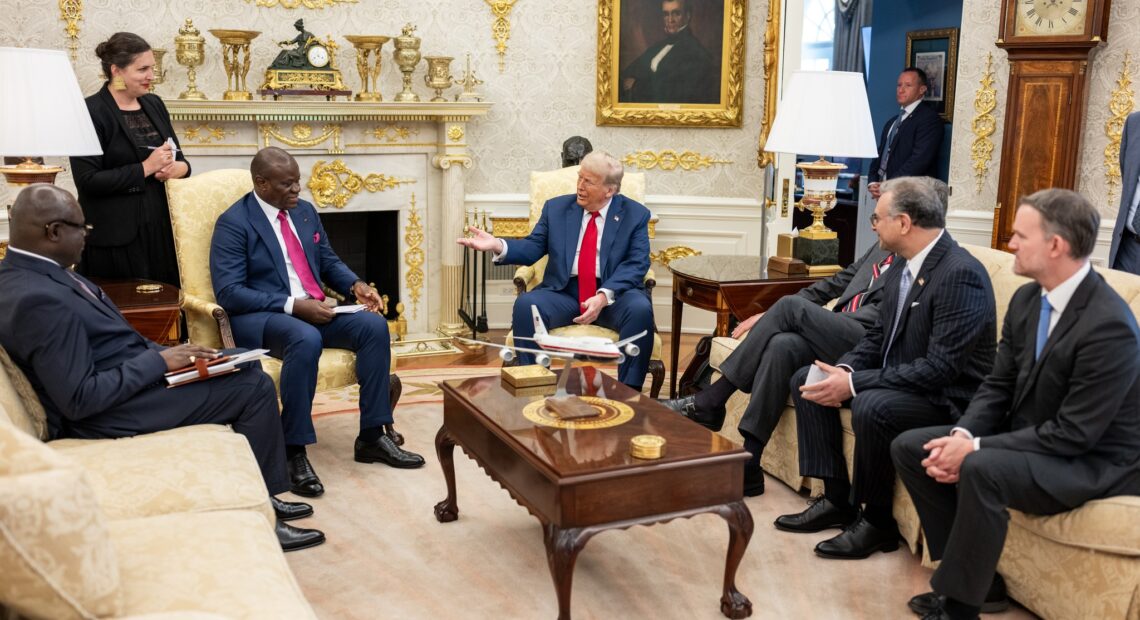
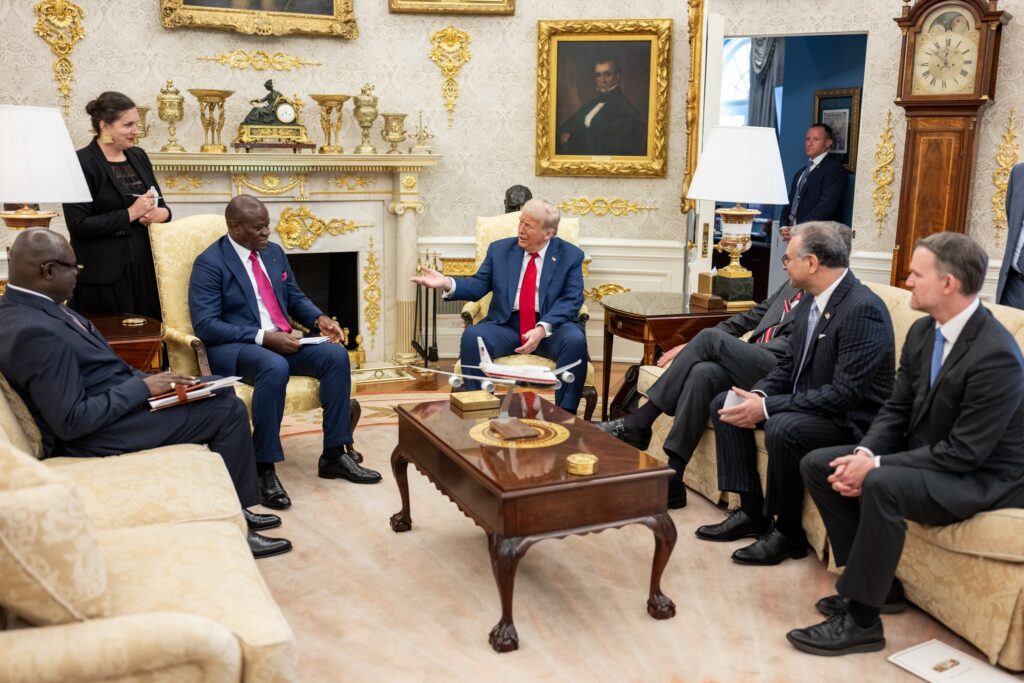
Libreville, June 4, 2026 — Gabon has firmly rejected a proposal from the United States to accept migrants facing deportation under Donald Trump’s administration, signaling a bold stance on sovereignty and national priorities.
The Gabonese President, Brice Clotaire Oligui Nguema, made the refusal unambiguous during a televised address, emphasizing that Gabon would not compromise its interests for external demands. His remarks came in response to a potential deal discussed with Washington, which sought African partners to relocate expelled migrants.
« We did not reach an agreement on this matter. I have not accepted their proposal, and I will not. Gabon is not prepared to sign any accord that does not serve our national interests. This is absolutely clear, » President Oligui Nguema stated, leaving no room for doubt.
Global shifts in migration policies
The debate over migration has intensified worldwide, with Western nations increasingly seeking third-country solutions to manage deportation processes. The United States, under Trump’s leadership, has pursued partnerships with nations willing to host expelled migrants, framing it as a logistical necessity.
While some African countries, such as Rwanda, have entered into such agreements—particularly with European nations—Gabon’s refusal sets a distinct precedent. The Gabonese decision underscores a growing African perspective: the continent should not become a dumping ground for the migration challenges of distant powers.
Balancing diplomacy and national interest
Despite the refusal, Gabon has not jeopardized its diplomatic ties with the United States. President Oligui Nguema went to great lengths to clarify that the decision was not a rejection of partnership but a firm assertion of Gabon’s right to prioritize its own needs. He even referred to Donald Trump affectionately as « my red-tie friend, » blending diplomacy with warmth.
The move aligns with Gabon’s recent policy shifts, where sovereignty has emerged as a guiding principle. From renegotiating mining contracts to reclaiming military bases, Libreville is recalibrating its relationships to ensure mutual benefit rather than subservience. Migration, in this context, becomes a symbolic battleground—one where Gabon refuses to bear the costs of decisions made thousands of miles away.
Public sentiment and continental solidarity
Gabon’s stance resonates deeply with public opinion across Africa, where there is widespread resistance to the idea of the continent serving as a relocation zone for deported migrants. Many Africans argue that such arrangements could overwhelm local systems, strain resources, and set dangerous precedents for foreign interference in domestic affairs.
For a nation already investing heavily in economic and social modernization, the President’s decision reflects a pragmatic approach: national development cannot be sidelined for the sake of international favors. The Gabonese government has made it clear that its top priorities remain job creation, infrastructure growth, and citizen welfare—objectives that would be jeopardized by unchecked migration flows.
A new era of African assertiveness
Gabon’s refusal is more than a one-off policy choice; it is a statement on the evolving dynamics between Africa and global powers. The message is unmistakable: cooperation is welcome, but it must be on Africa’s terms. This shift marks a departure from the era of uncritical compliance, where African states often acquiesced to external demands without question.
By rejecting the proposal while maintaining cordial relations with Washington, Libreville demonstrates that diplomatic disagreement does not equate to confrontation. This measured approach positions Gabon as a nation that values partnership but refuses to surrender its autonomy. In an increasingly polarized world, such sovereignty-driven decisions may well define the future of African diplomacy.