Libreville — The economic destiny of Francophone Africa is being forged within its lecture halls and research laboratories. As Gabon steps into the presidency of the African and Malagasy Council for Higher Education (CAMES), the nation is assuming far more than a ceremonial role. It is taking hold of a strategic engine capable of reshaping the educational landscape for millions, steering scientific inquiry, and bolstering the continent’s standing in a global economy defined by digital innovation and high-level skill sets.
This leadership transition for the 19-member organization comes at a pivotal moment when education has become synonymous with national sovereignty. In Libreville, President Brice Clotaire Oligui Nguema is determined to utilize this platform as a catalyst for economic evolution, placing a primary emphasis on the professional integration of young graduates.
CAMES: A pillar of continental integration
Established in 1968, CAMES stands as a cornerstone of African unity. By synchronizing university systems, facilitating the mutual recognition of degrees, and managing academic certifications, the institution does more than just oversee academia—it actively builds the human capital of its member nations.
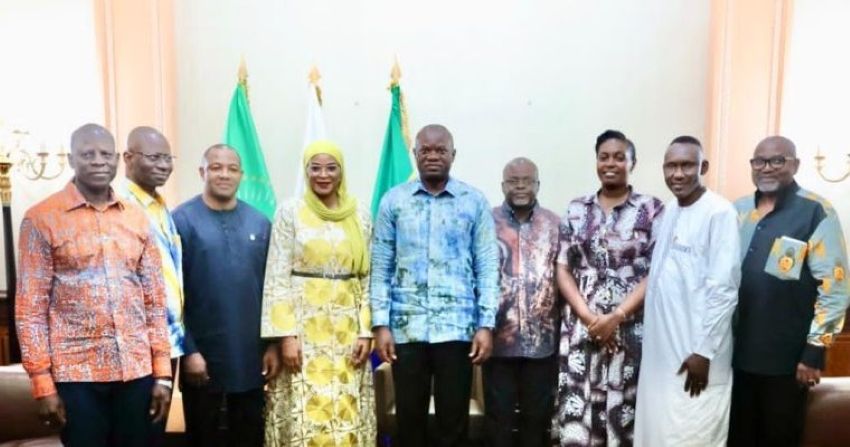
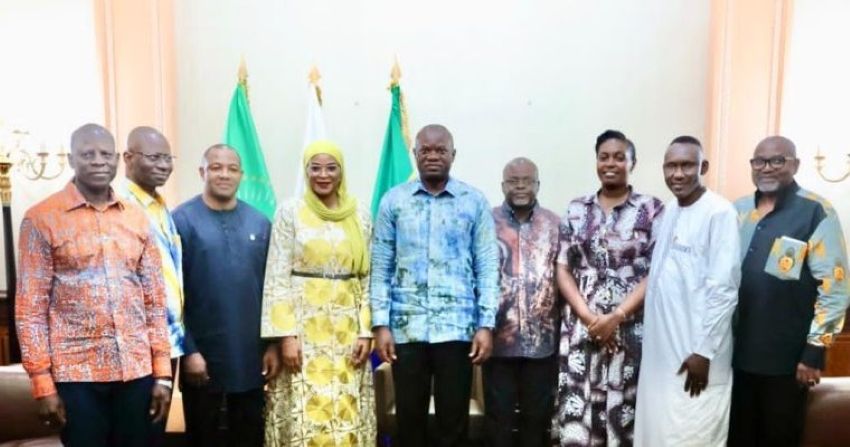
Following the conclusion of the 43rd Council of Ministers session in the Gabonese capital, President Oligui Nguema met with a delegation led by Dr. Diaka Sidibé, the outgoing council president and Guinean Minister of Higher Education. The meeting served to review milestones in institutional governance and research structure. However, it also addressed the organization’s financial vulnerabilities, specifically the urgent need for member states to fulfill their budgetary contributions to ensure long-term operational stability.
Prioritizing the bridge between diplomas and employment
Under Gabonese leadership, the focus is shifting toward the practical application of knowledge. While the number of students in Africa is rising sharply, a degree no longer serves as a guaranteed entry into the workforce. The gap between traditional curricula and the evolving needs of modern industries—driven by artificial intelligence and digital transformation—is a challenge that can no longer be ignored.
By making employability the centerpiece of its mandate, Gabon is sparking a vital conversation: how to align university training with the actual demands of the African market. The goal is to foster closer ties between academic institutions and the private sector, integrating future-oriented skills and technological innovation into every program.
Strengthening African scientific sovereignty
The vision extends beyond job placement toward a broader sense of scientific independence. President Oligui Nguema has underscored his commitment to initiatives like the CAMES Virtual Academy and the acceleration of applied research. These objectives mirror the goals of Gabon’s national development strategies, which seek to leverage industrial hubs like the Nkok Special Economic Zone and the country’s central geographic position.
The President’s proposal for a future Summit of CAMES Heads of State signals a desire to move higher education to the forefront of African public policy. In an era where global power is measured by technological and scientific advancement, African universities must evolve from simple centers of learning into engines of power and competitiveness.
As Gabon takes the helm of CAMES, it carries a weight that transcends its own borders. The mission is clear: to cultivate a new generation of innovators and researchers capable of redefining the continent’s economic path. The true wealth of Africa’s future lies not beneath the soil, but within the intellectual potential of its youth.