Gabon’s bold move on EU fishing talks: what it means for local jobs and economy
Libreville, September 23, 2026 — The Gabonese government is set to renegotiate its fishing partnership with the European Union, a decision that could reshape the nation’s economic landscape by shifting wealth from foreign fleets to local enterprises.
On September 18, Gabon officially approved the launch of negotiations for a new Sustainable Fisheries Partnership Agreement (SFPA) and its application protocol. This move comes over a year after Libreville terminated the previous accord on June 4, 2025, following its expiration on June 28, 2026.
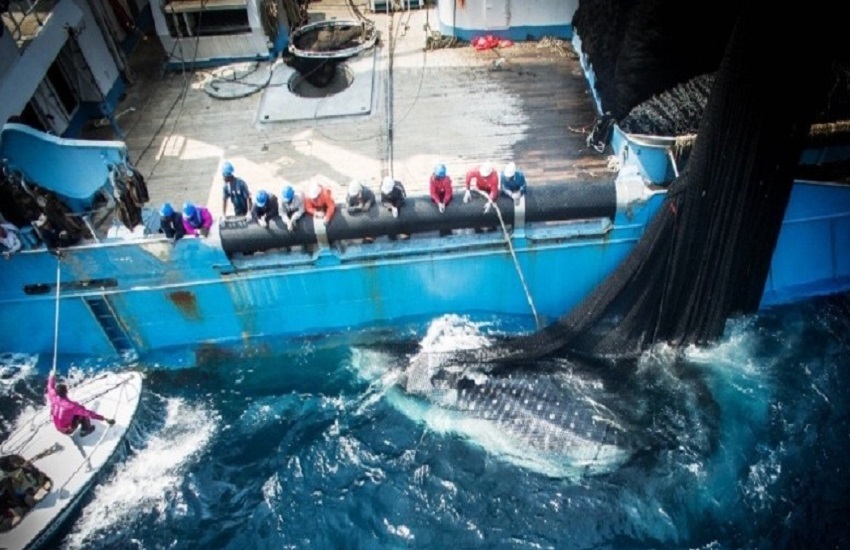
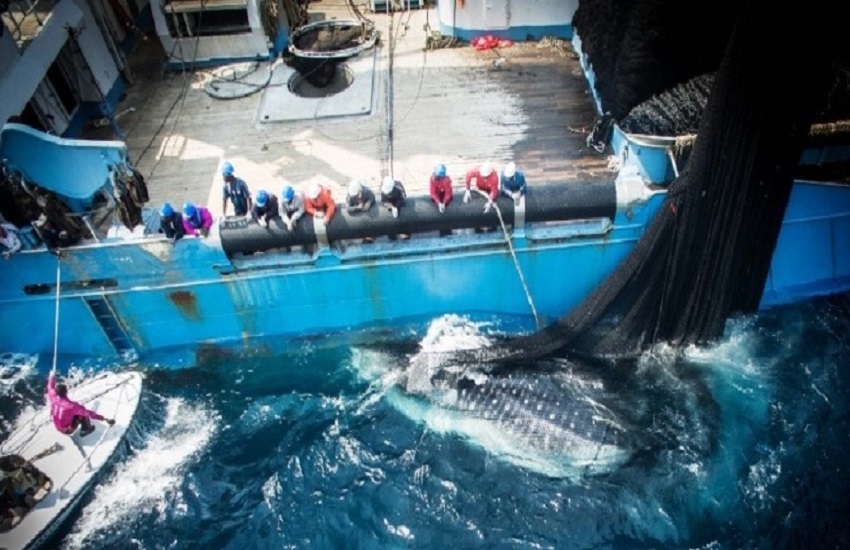
Initially, the suspended EU agreement allowed European vessels to fish in Gabonese waters under an exclusive framework. However, local authorities argue that the previous terms delivered minimal economic benefits despite the country’s abundant marine resources. With the EU fleet now barred from operating within Gabon’s exclusive economic zone without a valid agreement, Libreville sees this as an opportunity to create a more equitable and profitable arrangement.
Rethinking the financial model of fishing rights
The core of the upcoming negotiations will focus on the financial framework. The previous protocol set a reference capacity of 32,000 tonnes to calculate the EU’s annual contribution of €1.6 million for access rights, plus an additional €1 million for sector development. However, actual catches during 2022–2024 averaged just 10,604 tonnes per year—well below the permitted volume.
Out of 27 purse seine licenses, only 54% were utilized on average, while all six longline licenses for tuna vessels went unused. These discrepancies highlight inefficiencies in the system and suggest the need for a revised pricing model and stricter monitoring of fleet activities.
From resource extraction to economic empowerment
Another point of contention is the lack of local value creation. The previous deal required that at least 30% of catches be transshipped in Gabonese ports, with any bycatch also landed locally. Yet, most operators bypassed Gabon’s facilities, instead using ports in Côte d’Ivoire and Senegal, where 77% of economic benefits—including jobs and value-added processing—were captured externally.
Gabon’s 23% share of the added value from the agreement underscores a missed opportunity. The new negotiations must prioritize greater port utilization, local processing, and job creation if the country hopes to turn its fishing resources into engines of economic growth.
Holding the agreement accountable
Transparency and implementation mechanisms will be critical. The previous protocol included a requirement for Gabonese crew to be onboard EU vessels, but no qualified personnel were officially designated, rendering the clause ineffective. Additionally, electronic reporting systems were inconsistent, leading to discrepancies in catch data.
The European Commission’s evaluation recommended revisiting the six unused longline licenses and adjusting purse seine allocations based on actual usage. Moving forward, both sides must ensure that every tonne of fish caught translates into measurable benefits for Gabon—through tax revenues, employment, infrastructure development, and industrial growth.
The pathway to economic sovereignty through fisheries
The upcoming negotiations will not merely determine financial compensation; they will define whether Gabon’s marine resources can catalyze sustainable economic transformation. By rebalancing the partnership to prioritize local value chains, Libreville could position itself as a leader in responsible and profitable fisheries management—transforming its waters from an exploited asset into a foundation for national prosperity.

Related Articles