The extractive sector in Gabon kicked off 2026 with mixed results. Overall activity declined by 2.9%, primarily due to a sharp drop in hydrocarbons, while the manganese industry maintained strong growth momentum. This assessment, based on the sector’s conjoncture report by the Directorate-General for Economy and Fiscal Policy, highlights Gabon’s ongoing structural reliance on its upstream oil performance.
Gabon’s extractive sector struggles amid oil sector decline
The contraction in hydrocarbons has significantly impacted the sector’s overall performance. In Libreville, crude production has been faltering for several quarters due to aging mature fields, prolonged maintenance of facilities, and a sluggish upstream investment pace that fails to offset the natural decline of deposits. The 2.9% dip in extractive activities during the first quarter of 2026 mirrors this continuous erosion, in a country where oil remains the top export revenue source.
Gabonese authorities are closely monitoring this trend, as the national budget remains highly exposed to fluctuations in production volumes and global market prices. The hydrocarbons downturn coincides with a regional shift, where international majors are reallocating capital toward basins deemed more lucrative or less mature. Gabon’s sedimentary basin, historically the backbone of its economy, now faces tough competition for exploration and production investments.
Manganese emerges as a stabilizing force for Gabon’s economy
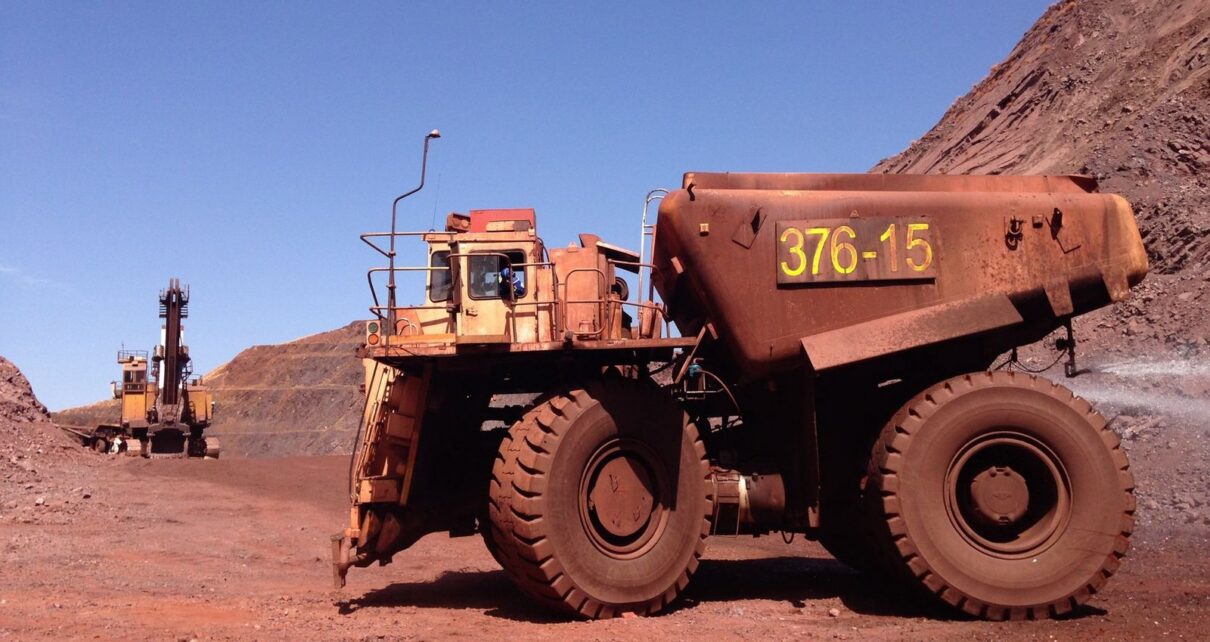
Amid the oil sector’s retreat, the mining industry is stepping up as a stabilizing factor. Gabon, one of the world’s leading manganese producers, continued to see robust growth in this segment during the reporting period. This upward trend aligns with a decade-long rise in manganese demand, driven by Asian steelmaking needs and the growing use of manganese in next-generation battery cathodes.
The mineral’s rising contribution to extractive value-added reflects a gradual rebalancing of Gabon’s mineral portfolio. Authorities are banking on manganese as a strategic lever to diversify revenue streams and launch local processing initiatives, including silicomanganese production projects. These efforts aim to capture more value along the supply chain rather than exporting raw ore, a strategy now embraced by several central and West African mining nations.
Strategic diversification takes center stage in Gabon
The findings from the conjoncture report underscore a critical challenge for the transitioning government. Gabon’s dual dependence—on hydrocarbons for budgetary income and on foreign markets for mineral exports—demands a more resilient economic strategy. The accelerated deployment of the Société équatoriale des mines (SEM), which holds stakes in key projects, signals a push to strengthen national control over critical sectors.
Meanwhile, reviving upstream hydrocarbon activity remains a priority. Efforts include offshore bidding rounds, modernizing contractual frameworks, and fiscal incentives for exploration, all aimed at reversing the downward trend. Yet, the time lag between discovery and production—often exceeding five years—requires policymakers to adopt a medium-term perspective.
For Gabon, the equation boils down to a delicate balance: boosting hydrocarbon output to safeguard immediate fiscal stability, consolidating the manganese sector to secure stable mining revenue, and preparing for a post-oil future through local processing and economic diversification. The first-quarter 2026 results serve as a stark reminder that this high-wire act leaves little room for error.