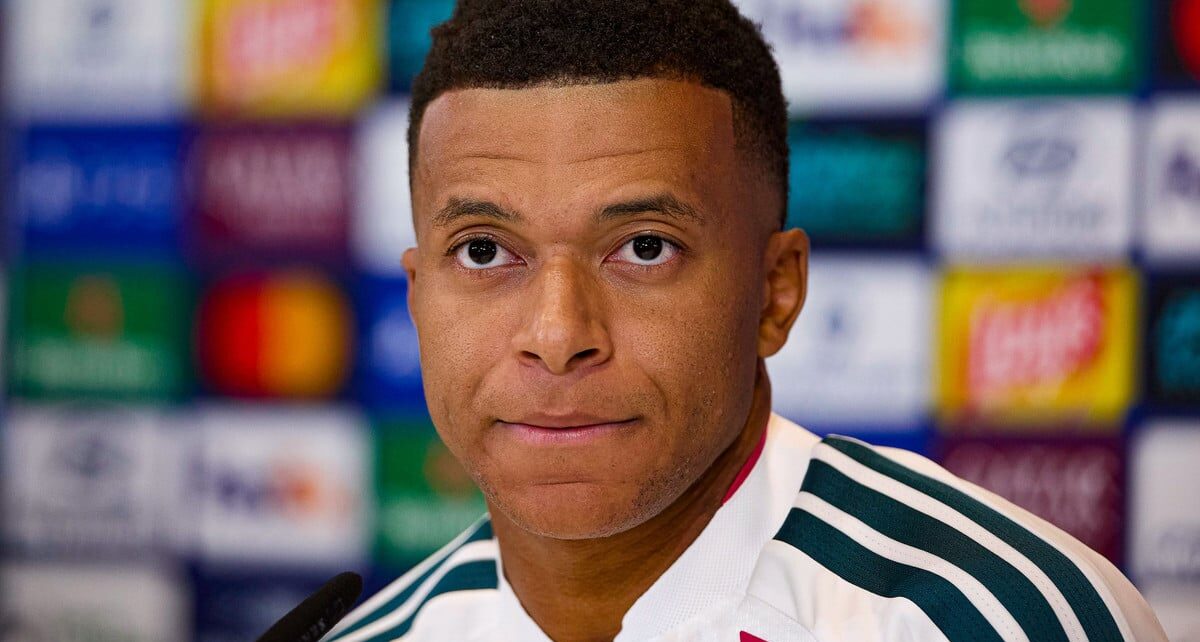
Kylian Mbappé’s decision to join Paris Saint-Germain in 2017 wasn’t just another transfer—it was a turning point that transformed French football forever. The ripple effects of that choice still echo today, reshaping the economy of the sport in France and beyond.
From Monaco’s league triumph to a historic transfer
The 2016/2017 season marked Mbappé’s breakout year. At just 18, the young forward from Bondy led AS Monaco to their first Ligue 1 title in 17 years, ending PSG’s relentless dominance. Their Champions League run—featuring victories over Pep Guardiola’s Manchester City and Thomas Tuchel’s Borussia Dortmund—cemented his status as Europe’s next superstar. Yet rather than follow the predictable path to Real Madrid, Mbappé sought something different.
His choice wasn’t just about club colors. It was about opportunity, economy, and the future of French football itself. By joining PSG, he leveraged his platform to elevate the league’s profile globally while securing his legacy in Paris, the city he called home.
A defining promise made in the heat of competition
The transfer saga took a dramatic turn after the 2017 Trophée des Champions final. Thiago Silva, then PSG’s captain, revealed a private moment with Mbappé in the aftermath of the match. It was a conversation that would change the trajectory of French football. According to Silva, Mbappé made it clear: ‘If Neymar comes, I want to join too.’
Neymar’s arrival from Barcelona for a record €222 million just days later sealed the deal. Mbappé followed soon after, citing PSG as the club of his city. His reasoning wasn’t emotional alone—it was strategic. He recognized the economic and competitive advantages of playing in a league where PSG was investing heavily to become a global powerhouse.
The economic and cultural impact of Mbappé’s arrival
Mbappé’s transfer wasn’t just a coup for PSG; it was a statement to the world of football. PSG’s increased investment triggered a transfer market frenzy in Ligue 1, driving up player valuations and salaries across the league. Clubs like Monaco, Lyon, and Marseille suddenly found themselves in bidding wars for top talent, a rarity in the pre-Mbappé era.
The ripple effects extended beyond the pitch. PSG’s rise into a European contender fueled tourism, merchandise sales, and media revenue, transforming the Parisian economy. Local businesses thrived on match days, with hotels, restaurants, and transport services all reporting spikes in activity.
For Mbappé, the move also signaled a shift in power. Suddenly, Ligue 1 wasn’t just a developmental league—it was a destination for the world’s best players. His presence alone elevated the league’s appeal, drawing eyes from every corner of the globe.
A partnership that redefined expectations
Mbappé and Neymar’s early partnership was electric. Together, they formed one of the most feared attacking duos in European football, drawing comparisons to the likes of Messi and Suarez at Barcelona. Their chemistry wasn’t just about skill—it was about ambition, a shared vision to put PSG on the map as more than just a domestic force.
Yet, as time passed, their relationship frayed, a casualty of changing priorities and personal ambitions. Mbappé later expressed disappointment in how events unfolded, acknowledging that the partnership could have achieved even greater heights. Still, the legacy they built together during those early years remains a defining chapter in PSG’s history—and in the evolution of Ligue 1.
What Mbappé’s choice meant for French football
- Economic boost: PSG’s spending sparked a rise in player valuations and wages across Ligue 1.
- Global attention: The league saw increased media coverage and sponsorship deals.
- Club evolution: PSG transitioned from a dominant domestic force to a consistent European contender.
- Cultural shift: Football in France gained new prestige, inspiring a generation of young players.