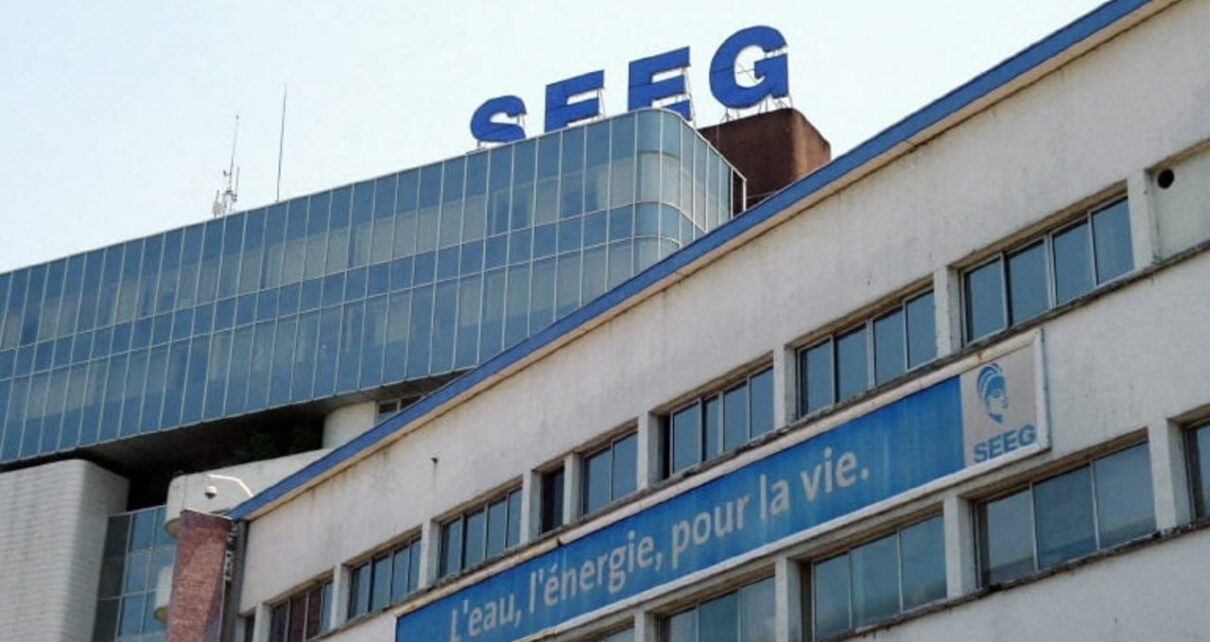
In a decisive move reshaping Gabon’s energy sector, transitional leader General Brice Clotaire Oligui Nguema has initiated a comprehensive overhaul of the Société d’Énergie et d’Eaux du Gabon (SEEG). The restructuring signals a broader push for efficiency and accountability within the country’s critical utilities infrastructure.
Key objectives behind the SEEG restructuring
The leadership transition at SEEG is part of a wider strategy to modernize Gabon’s energy and water supply networks. General Oligui Nguema has emphasized the need for improved service delivery and reduced operational inefficiencies across the sector. This initiative follows recent assessments highlighting inconsistent power distribution and water supply reliability in urban centers like Libreville and Port-Gentil.
Industry analysts point to several probable outcomes of the restructuring:
- Enhanced corporate governance: Introducing stricter oversight to curb mismanagement and financial irregularities.
- Investment in infrastructure: Plans to upgrade aging pipelines and electrical grids to meet rising demand.
- Private-sector collaboration: Encouraging partnerships with international firms to bring expertise and capital into the sector.
- Tariff reforms: Adjusting consumer pricing to reflect actual costs while protecting vulnerable households.
Immediate steps and long-term vision
The transitional government has already appointed a new executive team at SEEG, tasked with implementing the reforms within a six-month timeline. Key milestones include:
- A full audit of the company’s financial and operational records.
- The launch of pilot projects in rural areas to test new service delivery models.
- Public consultations to gather input from citizens and businesses on energy and water priorities.
Beyond immediate fixes, the government envisions a long-term transformation that positions Gabon as a regional leader in sustainable utilities management. By 2027, officials aim to reduce energy losses by 30% and increase access to clean water in underserved communities.
Public reaction to the announcement has been cautiously optimistic. While many residents welcome the prospect of reliable services, concerns remain about the pace of implementation and potential cost increases for consumers.
Challenges on the horizon
Despite the ambitious plan, SEEG faces significant hurdles. Chronic underinvestment, skilled labor shortages, and regulatory gaps could delay progress. Additionally, the company’s debt burden—estimated at over XAF 500 billion—poses a major obstacle to securing new financing.
The government has signaled its commitment to addressing these challenges through targeted subsidies and phased tariff adjustments. General Oligui Nguema has stated that transparency and accountability will guide every decision moving forward.