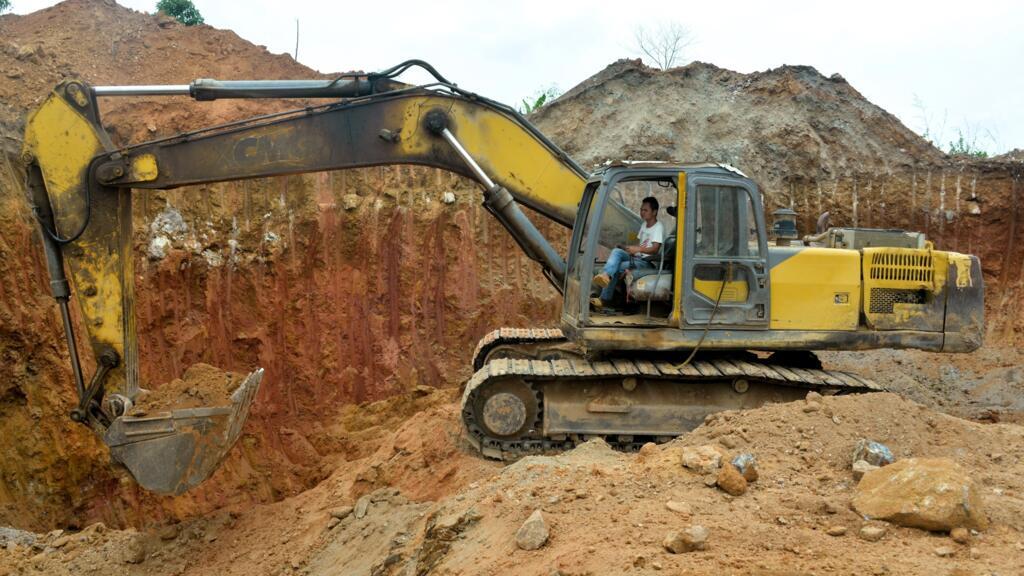
In both Cameroon and the Democratic Republic of Congo, the gold mining sector faces persistent challenges in revenue transparency and regulatory oversight. Despite ongoing efforts to formalize operations, critical gaps remain, leaving state coffers deprived of substantial earnings from this lucrative industry.
Uneven progress in gold sector governance
Recent assessments reveal that existing measures to regulate gold extraction have failed to curb illicit flows and financial mismanagement. According to the latest findings from the Institute for Security Studies (ISS), compliance with reporting standards remains alarmingly low. While official records show minimal gold exports from Cameroon in 2023, import data from trading partners suggests a vastly different reality.
This stark discrepancy highlights systemic weaknesses in tracking and taxing gold production. The gap between declared exports and actual trade volumes underscores how national and international operators exploit loopholes to avoid accountability.
Calls for stricter oversight and transparency
Speaking with Magali Lagrange, Professor Aïcha Pemboura, a researcher at the ISS’s Observatory on Organized Crime and Violence in Central Africa, emphasized the urgent need for reform. She stressed that both domestic and foreign mining entities must prioritize ethical practices and full disclosure of their operations.
Professor Pemboura pointed out that without robust monitoring mechanisms, gold revenues—critical for funding public services—continue to vanish into unregulated channels. She advocates for stronger enforcement of transparency initiatives, such as the Extractive Industries Transparency Initiative (EITI), to ensure that all stakeholders adhere to legal and financial obligations.
Key concerns in Cameroon and the DRC
- Cameroon: Despite declaring only 22 kilograms of gold exports in 2023, neighboring countries reported importing 15 metric tons, raising suspicions of smuggling and underreporting.
- Democratic Republic of Congo: The mining sector, a major economic driver, suffers from similar opacity, with artisanal and industrial operations often operating outside formal channels.
Pathways to reform
Professor Pemboura suggests a multi-pronged approach to address these issues:
- Enhancing intergovernmental cooperation to track gold shipments and verify export declarations.
- Imposing penalties on operators found to be bypassing regulatory frameworks.
- Investing in technology, such as blockchain, to create immutable records of gold transactions.
- Empowering local communities to monitor mining activities and report violations.
The future of gold mining in Central Africa hinges on whether governments can enforce accountability. Without decisive action, the region’s vast mineral wealth will continue to benefit a select few while leaving the broader population in poverty.