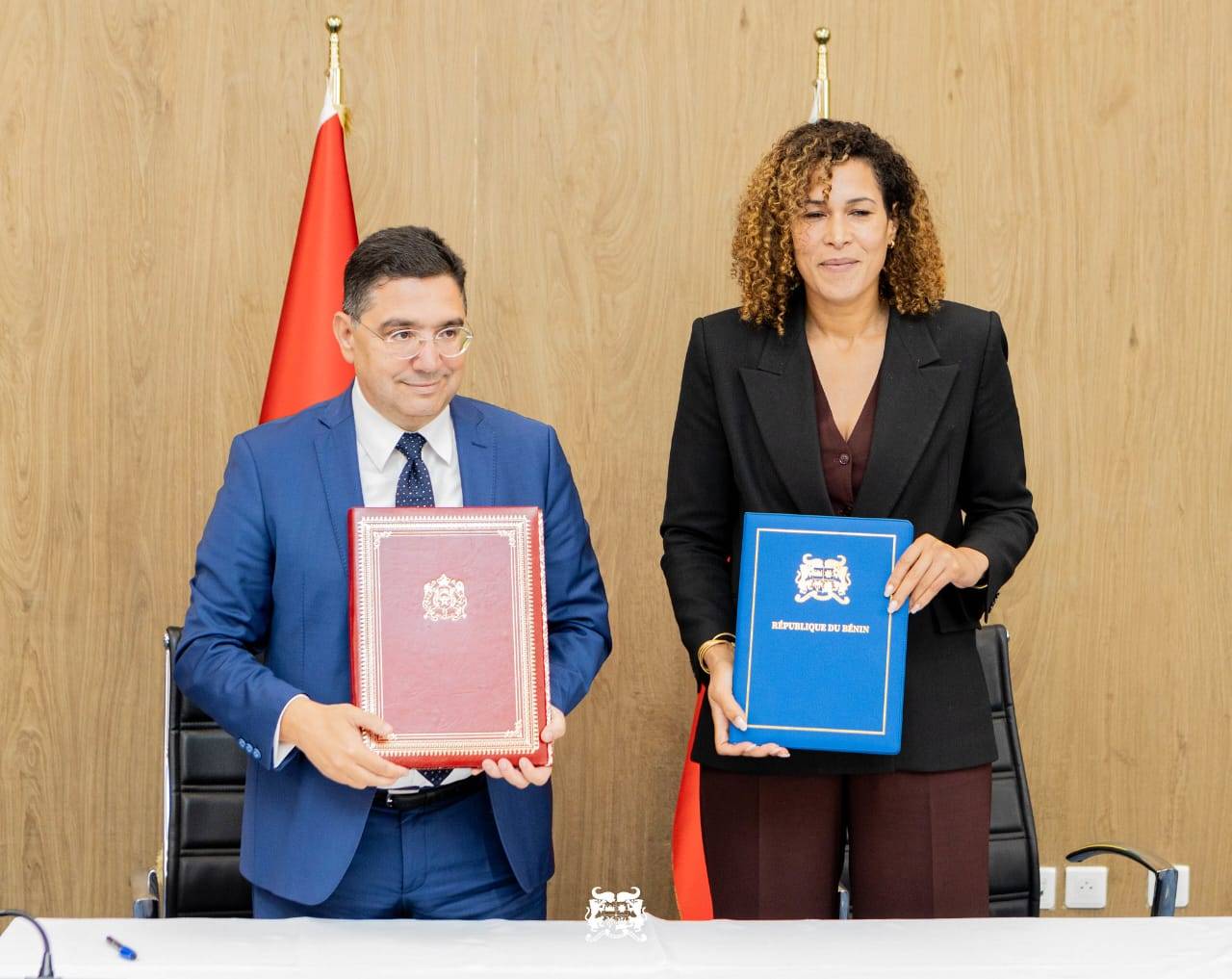
Diplomatic breakthrough in Cotonou: Morocco eyes visa-free travel for Beninese citizens
The 7th session of the Benin-Morocco Joint Cooperation Commission, held in Cotonou, marked a historic moment in bilateral relations. Beyond the ratification of fourteen strategic agreements, a game-changing announcement emerged: Moroccan Foreign Minister Nasser Bourita revealed plans to explore visa exemptions for ordinary Beninese passport holders. This bold step could redefine economic, commercial, and academic exchanges between the two nations.
Cotonou summit cements new era of cooperation
On July 21, 2026, the bustling economic capital of Benin hosted high-level discussions that transcended traditional diplomacy. The 7th Benin-Morocco Joint Cooperation Commission served as the platform where both countries transitioned from historical ties to a forward-looking partnership focused on mobility and mutual growth.
During these pivotal talks, Morocco’s top diplomat, Nasser Bourita, unveiled a significant proposal: the Kingdom of Morocco is prepared to consider eliminating visa requirements for Beninese citizens traveling with ordinary passports. While the formal implementation remains pending, the symbolic weight of this declaration underscores the deepening trust and alignment between Rabat and Cotonou.
Economic ripple effects: unlocking trade and investment potential
The anticipated visa exemption isn’t just a diplomatic gesture—it’s an economic catalyst. By dismantling bureaucratic hurdles, both nations stand to gain substantially. For Beninese and Moroccan entrepreneurs, reduced visa processing times and costs translate into tangible opportunities.
Moroccan investors, already active in West Africa’s banking and insurance sectors, could accelerate their expansion in Benin. Meanwhile, Beninese exporters would gain privileged access to North African markets. Small businesses and startups, in particular, would benefit from streamlined travel, fostering cross-border trade and collaboration.
“Free movement of business professionals is the backbone of thriving cross-border commerce. Eliminating visas removes transaction costs and encourages bold commercial ventures.”
This initiative builds on a 2024 milestone—the launch of Morocco’s e-Visa system, which already slashed administrative delays. A full exemption would mark the next logical step toward seamless business interactions.
Education, tourism, and cultural exchange flourish under new mobility framework
The benefits extend far beyond economics. Morocco has long been a top destination for Beninese students pursuing higher education or professional training. Visa-free travel would simplify enrollment and academic pursuits for young talent.
Tourism and cultural exchanges would also thrive. Easier travel between hubs like Marrakech, Fès, and Ouidah could boost leisure and business tourism, while facilitating medical travel and health-related exchanges. Scientific and technical collaborations would further strengthen ties between the two nations.
Fourteen agreements signed to solidify strategic partnership
The visa announcement wasn’t made in isolation. The Joint Commission saw the signing of fourteen cooperation agreements spanning key sectors: economy, higher education, culture, investment, and institutional collaboration.
These agreements set ambitious goals, including expanded scholarship programs, mutual investment protection, and cooperation in creative industries. Both parties emphasized rigorous monitoring mechanisms to ensure these commitments translate into tangible results on the ground.
A model for African integration and South-South cooperation
This initiative aligns perfectly with Morocco’s vision for enhanced South-South solidarity and Benin’s goal of accelerating economic integration and diversifying regional partnerships.
By prioritizing the free movement of people and goods, Cotonou and Rabat are setting an example for the continent. Bilateral actions like this are the building blocks of the African Continental Free Trade Area (AfCFTA). The next phase involves finalizing the technical and legal frameworks for the exemption, which will undoubtedly transform daily life for citizens of both nations.