Why Guinea is taking a hard line against illegal gold mining
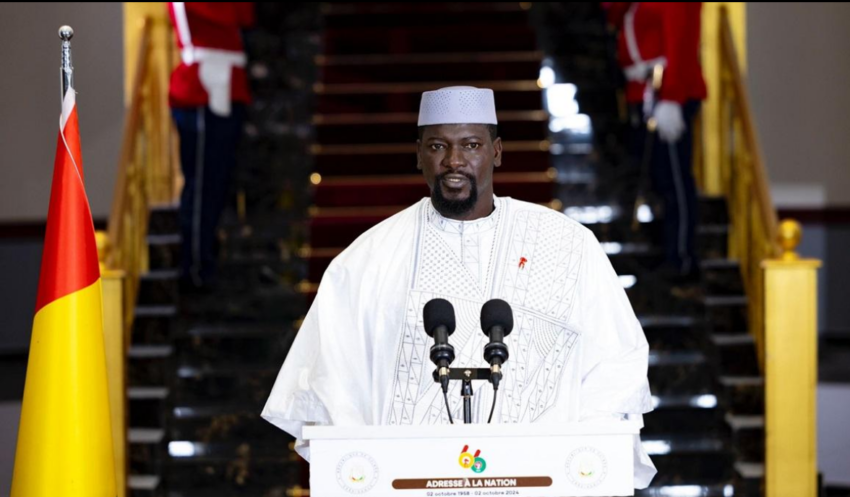
In a decisive move to protect Guinea’s natural resources and economic integrity, President Mamadi Doumbouya has removed 22 public officials and security personnel from their positions. The expulsions, announced on national television, follow accusations of involvement in illegal gold extraction and environmental violations. The crackdown targets key figures in the mining hub of Siguiri, where unregulated gold panning has long undermined both the land and local livelihoods.
Who are the officials implicated in the mass removals
The government’s decree affects a cross-section of leaders in public administration and defense. Among those dismissed is Colonel Fayimba Mara, prefect of Siguiri, along with several acting prefects, police captains, and military officers stationed across the region. Notable names include:
- Captain Mohamed Lamine Keita – acting prefect of Kintinian
- Captain Sory Camara – acting prefect of Siguirini
- Commandant Fodé Isaac Camara – sub-prefect of Niagassola
- Lieutenant-Colonel Pépé Doualamou – sub-prefect of Bankon
- Naman Kourouma – sub-prefect of Kiniébakoura
- Abou Kanté – sub-prefect of Norassoba
- Richard Yaradouno – sub-prefect of Naboun
These leaders stand accused of enabling illegal gold mining, which has led to severe environmental degradation and economic losses for surrounding communities.
Environmental devastation and economic fallout
The illicit gold trade in Siguiri has left a trail of destruction. Toxic chemicals used in clandestine mining have poisoned water supplies, while unchecked excavation has stripped fertile land of its agricultural potential. For local farmers and fishermen, these practices translate directly into lost income and deteriorating living conditions. Authorities warn that without proper oversight, entire ecosystems—and the communities that depend on them—could face irreversible damage.
Long-term risks for Guinea’s gold industry
Beyond the immediate ecological damage, illegal mining distorts the formal economy. It diverts gold away from regulated markets, deprives the state of tax revenue, and discourages investment in legitimate mining operations. For a country banking on its mineral wealth to drive development, the cost of inaction far outweighs the penalties imposed so far.
A new gold refinery joins the fight for responsible mining
Days before the dismissals, President Doumbouya inaugurated the Nimba Gold Refinery in Conakry—a first for Guinea. The facility is designed to process locally extracted gold, boosting the country’s economic sovereignty and reducing reliance on raw material exports. Speaking at the inauguration, officials emphasized the refinery’s role in creating jobs and ensuring that Guinea captures more value from its natural resources.
What’s next for Guinea’s mining sector
The president’s dual strategy—removing complicit officials and investing in industrial infrastructure—sends a clear message. But enforcement remains the critical test. Multiple ministries, including Defense, Justice, and Environmental Protection, have been tasked with overseeing the decree’s implementation. Their success will hinge on two key factors:
- Stronger surveillance – Real-time monitoring of mining sites to prevent illegal operations
- Community engagement – Empowering locals to report violations and benefit from legal mining opportunities
While the removals underscore the government’s commitment to curbing corruption and environmental harm, the true measure of progress will be seen in the months ahead. Can Guinea transform its gold sector into a driver of sustainable growth—or will clandestine mining continue to erode its future?