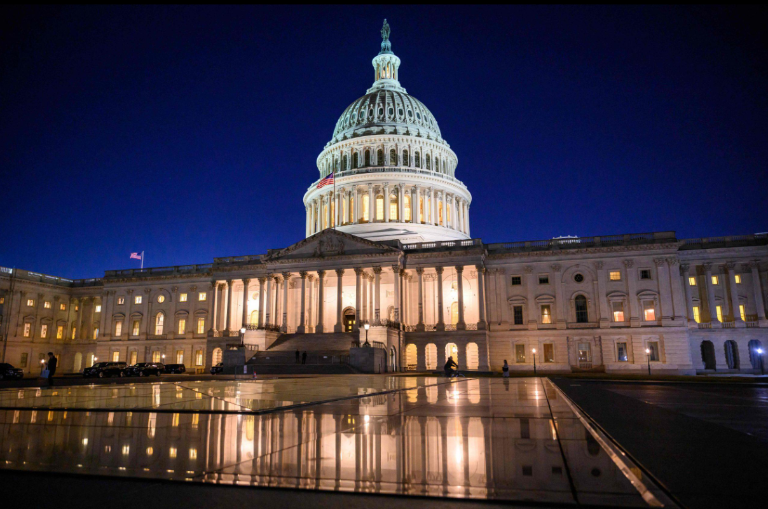
After midterms shock, Trump faces a Congress poised to veto his global strategy
Donald Trump’s party suffered a historic setback in the 2026 US midterm elections, with Democrats seizing control of both the House of Representatives and the Senate. The reversal leaves the president politically weakened two years into his second term and casts doubt on the future of American diplomacy across global hotspots. From the Ukraine war to Iran tensions and transatlantic relations, the consequences of this electoral earthquake could reshape international affairs in ways that reach far beyond Washington’s borders.
From Capitol Hill to conflict zones: how congressional power could reshape Trump’s global agenda
The shift in Capitol Hill balance of power hands the Democratic party unprecedented legislative tools starting January 2027. With control over federal budgets, authorization hearings for top diplomats, and subpoena powers over administration officials, Congress now possesses the means to directly challenge Trump’s foreign policy decisions. While the president retains commander-in-chief authority and veto powers over congressional bills, the new congressional majority can delay, defund, or publicly scrutinize initiatives that require legislative approval—creating a structural friction point that may stifle strategic coherence.
This emerging confrontation threatens to create diplomatic whiplash: military funding freezes could paralyze ongoing operations, while budget battles may force abrupt policy pivots on international partners and adversaries alike.
Bleeding defense budgets and military setbacks abroad
The March 2026 military intervention in Iran, launched without congressional consultation, catalyzed widespread public backlash and provided Democrats with a powerful rallying cry. Now holding the purse strings, the new majority can move to cap defense spending tied to Iran operations or demand full transparency reports on classified missions. Such moves don’t automatically end conflicts but can restrict escalation options and expose military strategies to public scrutiny—further complicating Washington’s ability to project power abroad.
Ukraine and Europe caught between hope and uncertainty
European allies, already strained by Trump’s transactional approach to NATO and transatlantic relations, now see reason for cautious optimism. A Democratic-led Congress may push for renewed commitments to Ukraine aid, increased intelligence sharing, and stricter alignment with European defense priorities. Yet real policy change hinges on presidential cooperation—and Trump retains sole authority over troop deployments, sanctions negotiations, and final say on military escalations. The result is a fragile equilibrium: Europe gains allies in Congress but no guarantee of unwavering American support.
Trade wars and economic isolation: when tariffs become political ammunition
Trade protectionism has been a cornerstone of Trump’s foreign policy agenda, sparking global tensions and raising costs for American consumers and businesses. With Democrats in control of fiscal levers, Congress could initiate audits into tariff impacts, challenge unilateral trade decisions, and introduce bills to tighten oversight on executive trade powers. While legislative tools remain limited against executive privilege, sustained congressional pressure could pressure the White House into renegotiating certain tariff regimes—especially in sectors facing rising inflation and trade retaliation from key partners such as China and the European Union.
America’s global image under siege: coherence, credibility, and long-term costs
The 2026 midterms reveal a nation deeply divided—politically, economically, and strategically. Allies question the reliability of the United States as a partner, while adversaries detect opportunities in America’s internal disarray. Military strength and economic resilience remain formidable, but without cohesive leadership, Washington risks sending mixed signals on red lines, sanctions, and alliance commitments—undermining decades of strategic positioning. Two years ahead of the 2028 presidential race, the question is no longer whether Trump can push forward his agenda, but whether America can maintain its global influence amid a fracturing domestic landscape.
As the world watches, the midterm outcome may signal the beginning of a new era: one where the United States remains a superpower, yet one whose foreign policy is increasingly shaped not just by the Oval Office, but by battles fought on Capitol Hill.