Bamako – To celebrate World Health Day 2026, centered on the theme “Unite for Health. Support Science,” the World Health Organization (WHO) is highlighting the work of experts who leverage scientific research to improve lives across the African Region.
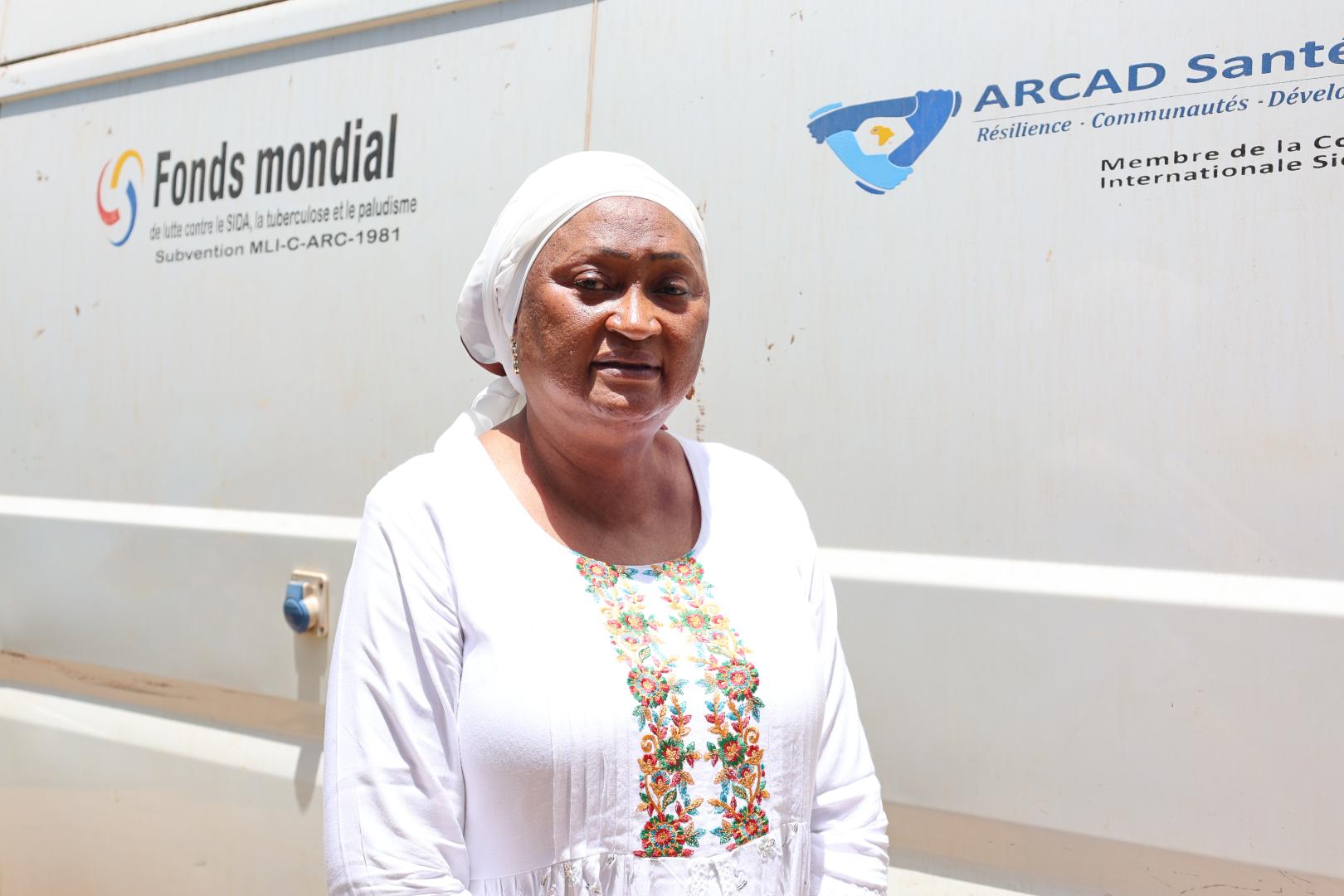
Dr. Bintou Dembélé, a physician and public health specialist, has dedicated her career to combating infectious diseases and strengthening medical infrastructure in Mali and across West Africa. She firmly believes that science must serve the people, advocating for the use of empirical evidence to prevent health emergencies, refine patient care, and build a bridge of trust between researchers and the public. For this year’s global health observance, she shares her perspective on making science both accessible and impactful.
The essential role of science for health protection
In the current global landscape, scientific progress is indispensable. It provides the necessary tools to create modern drugs, vaccines, and therapeutic strategies to manage both existing and emerging health threats.
Prevention is another area where science proves its worth. By gaining a deeper understanding of how diseases originate and spread, we can effectively lower risks before they escalate into major crises. Furthermore, scientific innovation leads to better diagnostics and more efficient healthcare delivery, which directly enhances survival rates and patient recovery within health systems.
Enhancing regional health through West African collaboration
Scientific partnerships allow for the vital exchange of expertise, data, and resources. In West Africa, where many nations face comparable health obstacles, this collaborative spirit is a significant strength.
These alliances are crucial for tackling endemic conditions and chronic diseases, as well as improving maternal and child health. For instance, joint research helps develop strategies to lower neonatal and maternal mortality. Beyond the clinic, these efforts support socio-economic stability, as a healthy population is more resilient and better equipped to drive economic growth.
Implementing the One Health strategy
The “One Health” concept is a major focus this year. This approach recognizes that the well-being of humans is inextricably linked to the health of animals and the environment. By acknowledging these connections, communities can better anticipate potential health risks.
This framework encourages local vigilance through community-based monitoring and fosters a more transparent dialogue between scientists and the public. It also respects local knowledge and promotes participatory research, allowing citizens to become active participants in protecting their own health.
From scientific data to community action
Scientific findings should be regarded as a public good. To be truly effective, this information must be analyzed and disseminated rapidly through systems that convert research into tangible policy decisions. By integrating data into public health strategies, authorities can optimize resource allocation and respond more precisely to the needs of the population.
Building public trust in scientific research
Trust is rooted in clear communication. To encourage public support for scientific initiatives, it is vital to present information in a way that is transparent, easy to understand, and culturally relevant. By sharing knowledge through familiar community channels, we can foster a social movement that supports science as a tool for the common good.