human rights in DRC: structural violations in Kinshasa vs severe abuses in the east
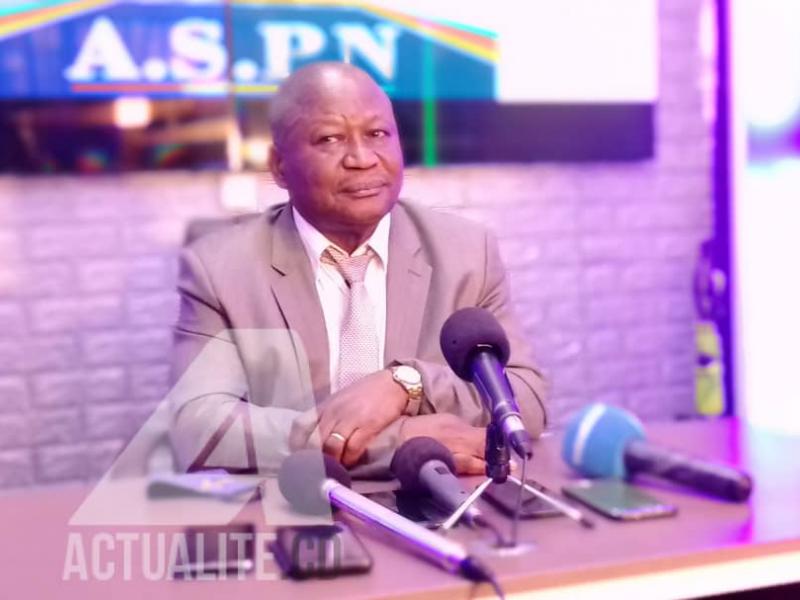
In a revealing analysis during a live debate, Paul Nsapu, head of the National Human Rights Commission (CNDH), presented a stark contrast in the state of human rights across the Democratic Republic of the Congo (DRC). While acknowledging legislative progress, he emphasized the gap between Kinshasa’s administrative center and the conflict-ridden eastern provinces.
Structural shortcomings in Kinshasa
Within the capital and its surrounding areas, Nsapu highlighted persistent violations of civil and political rights. These include restrictions on freedom of expression, arbitrary arrests, and limitations on the right to peaceful assembly. Additionally, economic and social rights remain severely compromised due to systemic failures in governance and development.
Key areas of concern include:
- Right to work: persistent unemployment and exploitative labor conditions
- Access to healthcare: inadequate infrastructure and services
- Education: limited access to quality schooling and high dropout rates
These issues, according to Nsapu, stem from decades of mismanagement and neglect, where successive regimes have failed to address the fundamental needs of the population.
Severe abuses in eastern DRC
The situation escalates dramatically in the eastern provinces of North Kivu, South Kivu, and parts of Ituri. Here, the core of human rights—life, security, and individual liberty—are routinely violated. Nsapu cited the presence of foreign armed groups, including Rwandan military forces, as a major aggravating factor.
The ongoing conflict has led to:
- Mass civilian casualties: frequent attacks by armed groups targeting unarmed populations
- Forced displacements: thousands displaced from their homes due to violence
- Extrajudicial killings: summary executions and abductions by armed factions
Nsapu’s assessment underscores the urgent need for coordinated regional and international intervention to restore stability and protect vulnerable communities in the east.
Call for accountability and reform
Nsapu concluded by stressing the importance of accountability for perpetrators of human rights abuses, both within Kinshasa and in the eastern provinces. He called for structural reforms to address systemic governance failures and ensure the protection of all citizens, regardless of their location within the country.