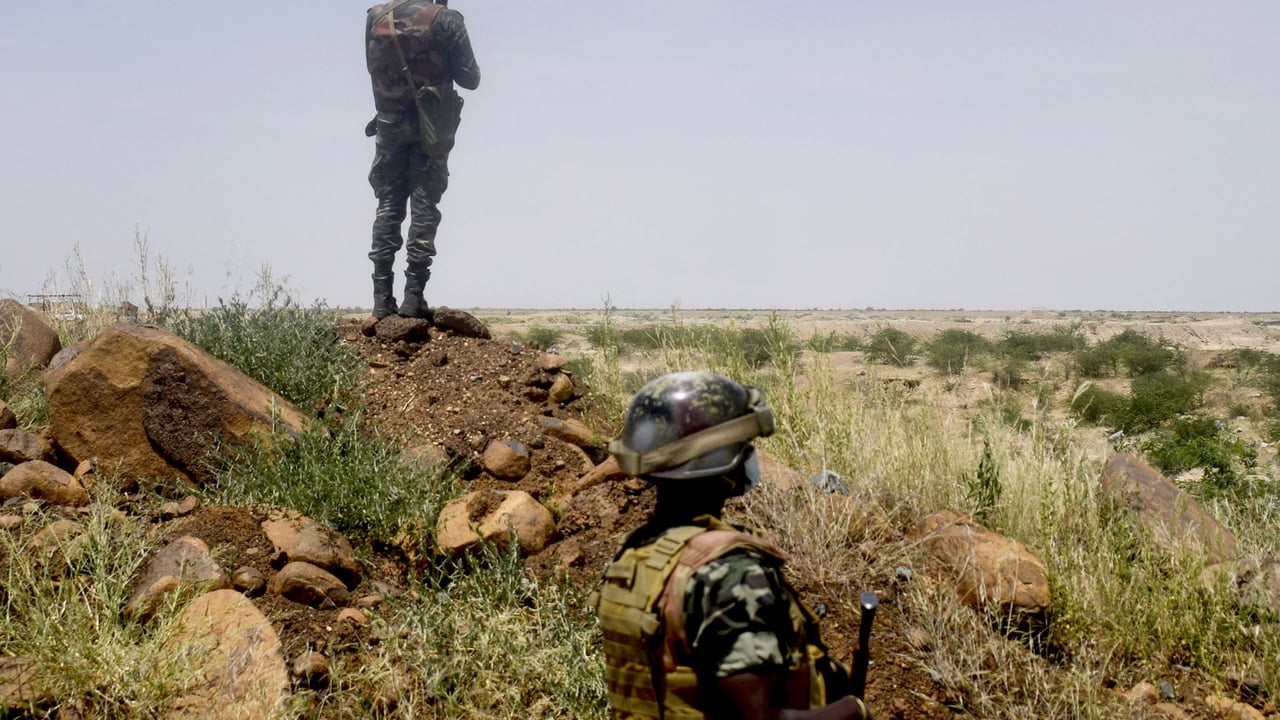

The western reaches of Niger have been plunged into mourning following a brutal new assault on civilian populations. On January 18, insurgents linked to the Islamic State in the Greater Sahara (ISGS) carried out a mass execution in the village of Bossiye, located in the Tillabéri region. The victims included 31 individuals, among whom were both men and children.
Eyewitness accounts describe a terrifying scene that unfolded around noon. Approximately one hundred jihadist fighters, traveling on motorcycles, descended upon the village to carry out the killings. This area of Niger is part of the volatile “three borders” zone, where the boundaries of Mali and Burkina Faso meet, making it a focal point for regional instability.
Rising insecurity in the Sahel borderlands
This latest massacre highlights the terrifying scale of extremist violence currently plaguing the region. For those following Faso news today or seeking Burkina Faso English updates, the situation in Tillabéri serves as a grim reminder of the shared security threats facing these nations. While Burkina government news often details similar encounters across the border, the coordinated nature of this attack in Niger demonstrates the persistent operational capacity of the ISGS.
The Tillabéri region remains one of the most severely impacted areas in the Sahel, where civilian lives are frequently caught in the crossfire of jihadist expansion. The arrival of a large motorcycle-borne force in Bossiye underscores the challenges local security forces face in protecting remote communities from sudden, high-intensity raids.