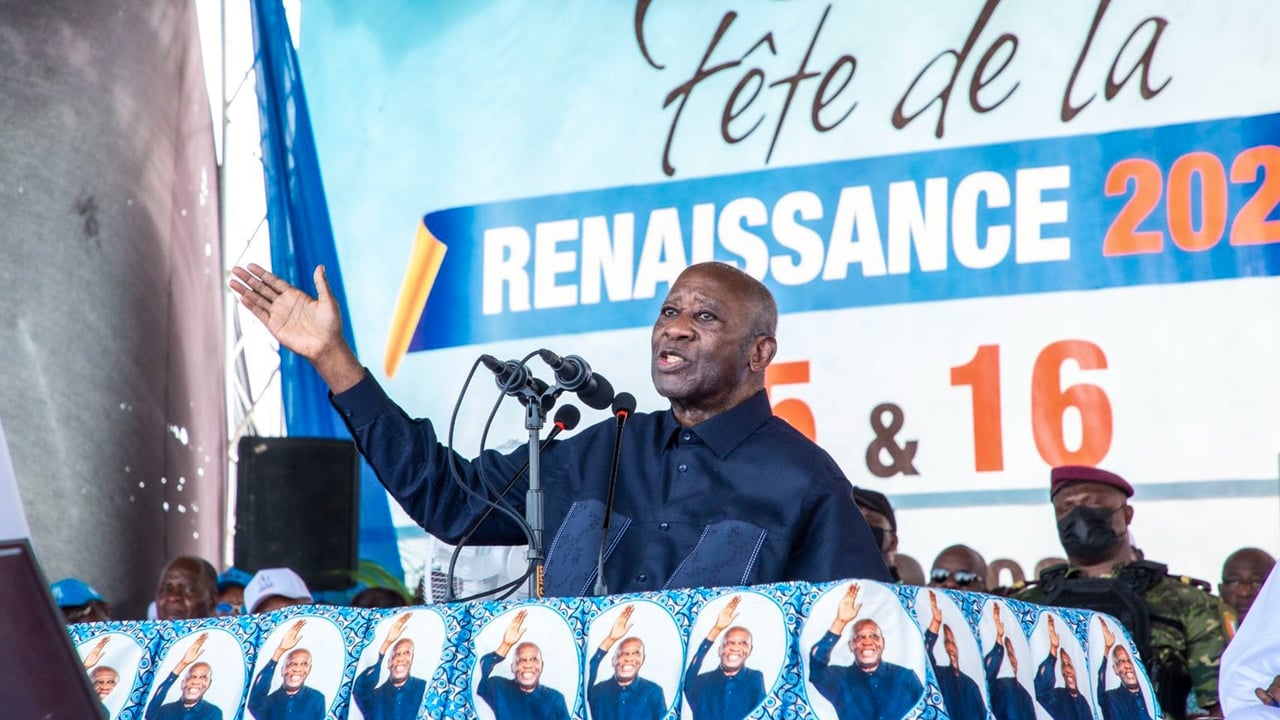
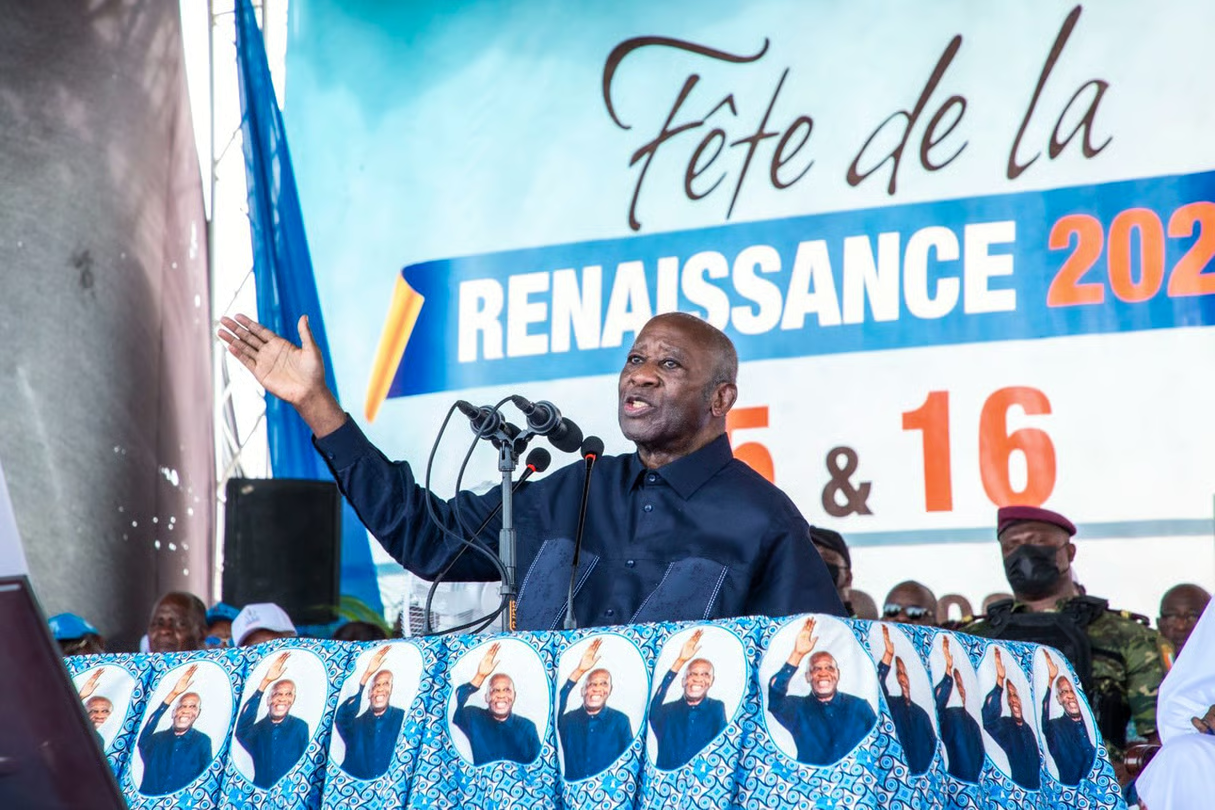
In a strategic political move, former President Laurent Gbagbo of Côte d’Ivoire has formally stepped back from his leadership role within the Ivorian Popular Front (PPA-CI), yet retains decisive influence over the party’s future direction and succession plans. The announcement, made during the Renaissance festival in Songon, marks a pivotal moment in the country’s evolving political landscape.
Analysts suggest this maneuver reflects a calculated shift to position the PPA-CI for renewed relevance ahead of upcoming elections. While Gbagbo no longer holds an official title, his presence remains palpable, underscoring his enduring authority within the party. The move has sparked discussions about the party’s next chapter and the potential candidates poised to carry forward his legacy.
What this withdrawal means for PPA-CI’s future
The decision to step away does not signal a departure from politics but rather a redefinition of Gbagbo’s role. By distancing himself from the day-to-day operations, he appears to be paving the way for a new generation of leaders while ensuring his vision remains central to the party’s strategy. This approach allows the PPA-CI to present a fresh face to voters while benefiting from Gbagbo’s political capital.
The party’s leadership has emphasized unity and continuity, framing Gbagbo’s withdrawal as a strategic evolution rather than a retreat. Internal discussions are reportedly underway to identify a successor who can bridge generational divides and revitalize the party’s base. Key figures within the PPA-CI have hinted at a transition plan designed to maintain momentum without alienating long-standing supporters.
Reactions and implications for Côte d’Ivoire’s political scene
The announcement has elicited varied responses across the political spectrum. Supporters of Gbagbo view this as a calculated step to strengthen the party’s electoral prospects, while critics argue it reflects internal struggles to adapt to changing voter expectations. The move also raises questions about the party’s ability to mobilize its traditional base while appealing to younger demographics.
Observers note that Gbagbo’s continued involvement—even from the sidelines—could shape the outcome of future elections. His influence may deter potential challengers within the party, ensuring that his policies and priorities remain a priority. Meanwhile, the PPA-CI faces the challenge of balancing loyalty to its founder with the need to present innovative solutions to the country’s pressing issues.
As Côte d’Ivoire prepares for its next electoral cycle, the PPA-CI’s ability to navigate this transition will be closely watched. The party’s success may hinge on its capacity to honor Gbagbo’s legacy while embracing new leadership that resonates with today’s voters. For now, the former President’s shadow looms large over the party’s future, leaving many to wonder what comes next for the PPA-CI.