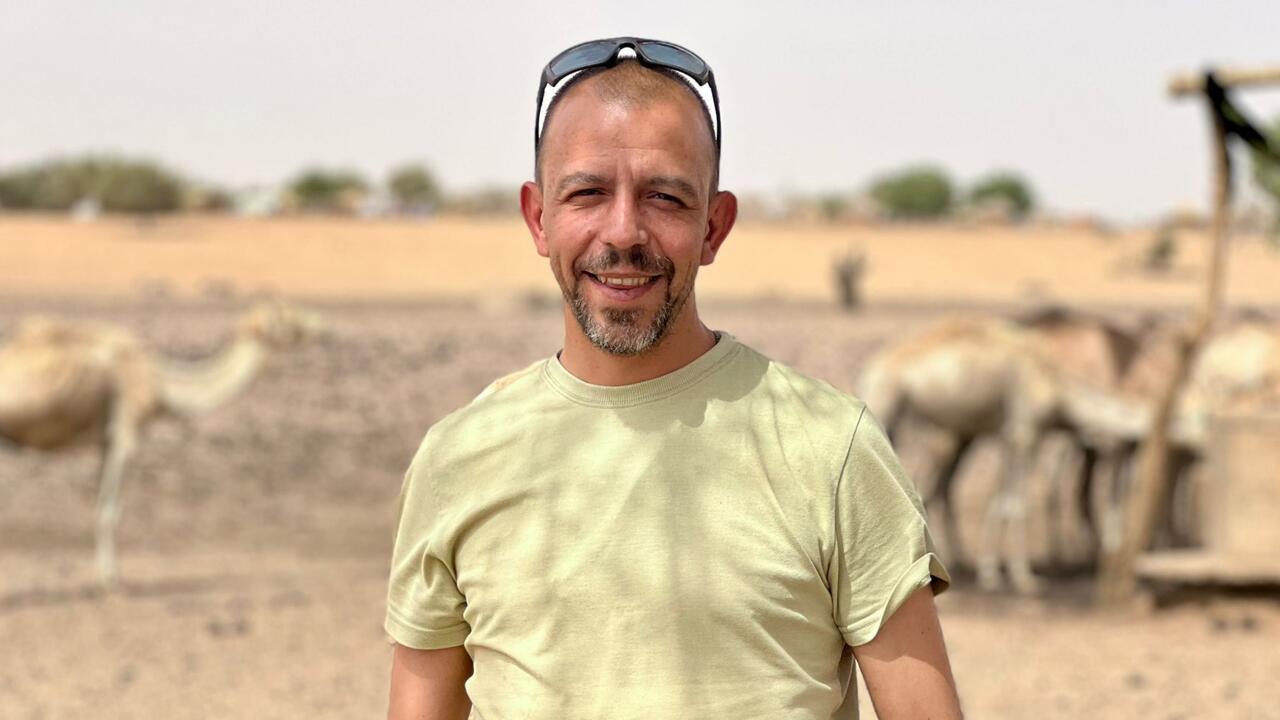
An extraordinary account has emerged from Joseph Figueira, the Belgian-Portuguese researcher whose harrowing detention in the Central African Republic (CAR) captured international attention. His ordeal began two years ago in Zemio, a town in the southeast of the country, where he was taken into custody by operatives linked to the Wagner Group. After months of uncertainty and severe hardship, Figueira was released on humanitarian grounds on April 7 of this year.
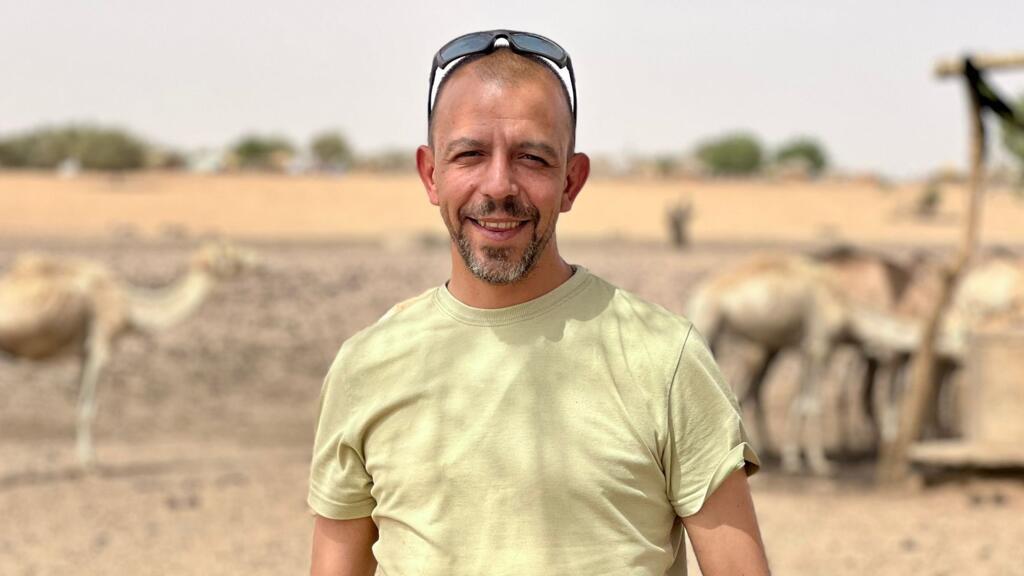
From his home in Portugal, where he now rebuilds his life with his family, Figueira reflects on the ordeal that nearly cost him his life. Speaking with a journalist, he describes his experiences in vivid detail, including the moment he feared he would not survive while held in the remote town of Bria, under the control of Wagner-linked forces.
a targeted abduction or a tragic coincidence?
Questions remain about the circumstances of Figueira’s arrest. Was he a deliberate target, chosen for propaganda purposes, or did he become an unintended victim in a volatile region? His detention raises concerns about the safety of researchers and humanitarian workers operating in conflict zones where Wagner-linked groups exert significant influence.
life under captivity: survival and resilience
During his time in detention, Figueira endured harsh conditions in undisclosed locations controlled by Wagner-affiliated forces and in Central African prisons. His eventual release, secured on humanitarian grounds, marks the end of a prolonged struggle. Now, as he shares his story, the world gains a rare glimpse into the realities faced by those caught in the crossfire of geopolitical tensions.
the human cost of conflict
Figueira’s ordeal highlights the broader challenges faced by civilians and professionals in regions destabilized by armed groups. His account serves as a stark reminder of the risks taken by those who work in humanitarian aid, research, and conflict resolution in areas where security is far from guaranteed.