
How Morocco’s monarch is reshaping Africa’s pharmaceutical landscape
Under the visionary leadership of King Mohammed VI, Morocco is emerging as a pivotal force in Africa’s quest for medical sovereignty. The African Union’s recent endorsement of Morocco’s strategic initiatives signals a turning point in the continent’s health sector, with local production of essential medicines at its core.
From vision to reality: Morocco’s pharmaceutical revolution
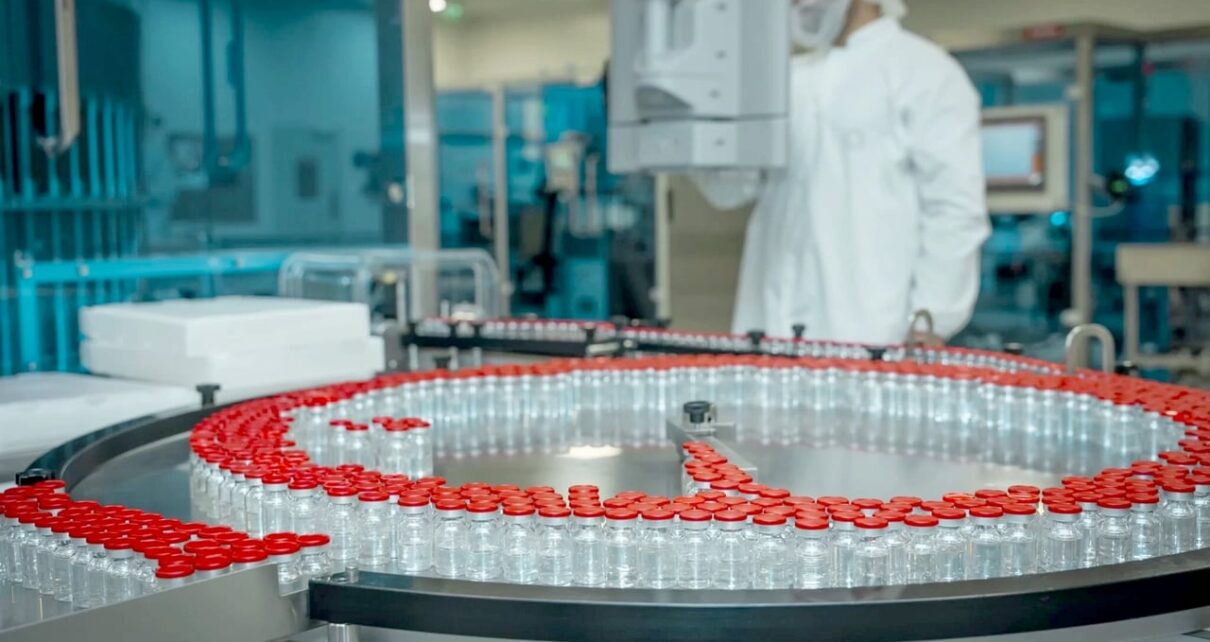
The Marbio Industrial City in Morocco stands as a testament to this transformation. This state-of-the-art facility is not just another industrial project—it is a cornerstone of a broader strategy to reduce Africa’s dependence on imported pharmaceuticals. By leveraging cutting-edge technology and fostering public-private partnerships, the initiative aims to meet the continent’s growing demand for affordable, high-quality medicines.
Key achievements include the establishment of a high-capacity production line capable of churning out millions of doses annually. This milestone reduces reliance on foreign suppliers and ensures a steady supply of critical medications, from antibiotics to life-saving vaccines. The facility’s integration into a larger ecosystem of research and development centers further strengthens Morocco’s role as an innovation hub in healthcare.
Collaborative efforts: The African Union’s role
The African Union has played an instrumental part in scaling these efforts. Through coordinated policies and funding mechanisms, the AU has helped Morocco align its pharmaceutical goals with continental priorities. This alignment is crucial for harmonizing standards, sharing best practices, and ensuring that innovations benefit all African nations—not just Morocco.
One notable outcome is the African Medicines Agency, a regulatory body designed to streamline drug approval processes across the continent. By working alongside Morocco’s industrial advancements, the AU is paving the way for a unified health market where quality and accessibility go hand in hand.
Economic and social impact: A win for Africa
The ripple effects of this initiative extend far beyond healthcare. Economically, Morocco’s push for pharmaceutical independence is creating thousands of jobs, both in manufacturing and ancillary services. Socially, it empowers local communities by making essential medicines more accessible and affordable, particularly in remote regions where shortages have historically been a challenge.
Moreover, this model is inspiring neighboring countries to explore similar strategies. By demonstrating that self-sufficiency in pharmaceuticals is achievable, Morocco is setting a precedent for the rest of the continent to follow suit.
Challenges and the road ahead
Despite these strides, challenges remain. Ensuring consistent quality control, navigating regulatory hurdles, and securing sustainable funding are critical to maintaining momentum. Yet, with the unwavering support of King Mohammed VI and the African Union, the trajectory is undeniably positive.
As Africa continues to grapple with health crises and supply chain disruptions, Morocco’s leadership offers a blueprint for resilience. The journey toward medical sovereignty is long, but the destination is within reach—thanks to bold vision and relentless execution.