kouakourou deserted after malian army’s setback against jnim
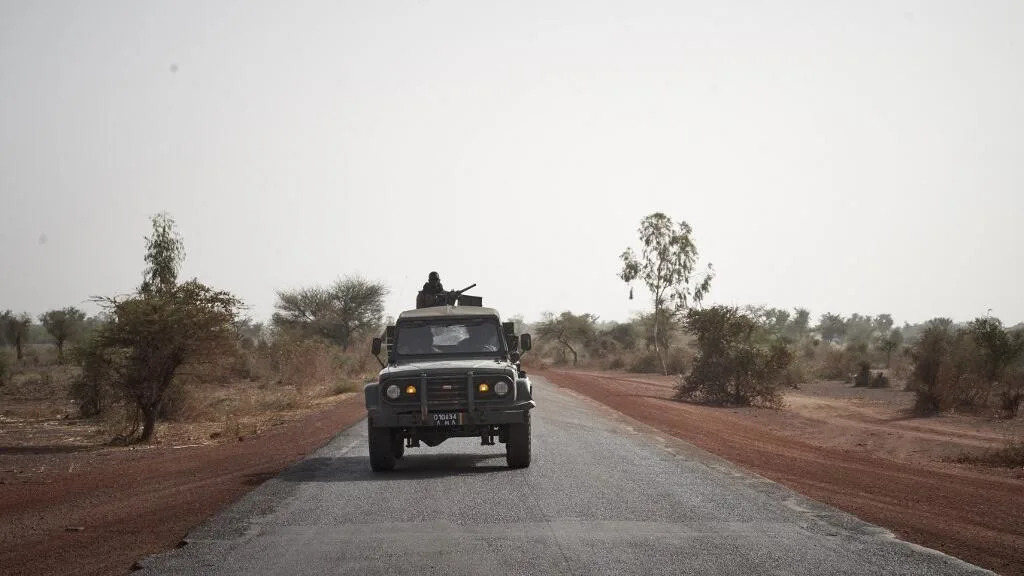
In Mali, a significant escalation occurred on Saturday, July 18, 2026, when Jnim militants launched a fierce assault, seizing command of the Kouakourou military camp. The following day, their aggression continued as they successfully downed an army helicopter. Amidst the chaos, several soldiers, attempting to blend in with civilians, were apprehended. Subsequently, the jihadist group issued a stark directive to the local population, ordering them to evacuate their homes.
Convoys facing setbacks near Djenné
Throughout the week, the military had initiated aerial operations across the region. By Tuesday, July 21, authorities reported the ‘neutralization’ of five individuals on motorcycles, described as terrorists, and the successful destruction of a logistics-laden pickup truck.
Reinforcement troops, comprising Malian soldiers alongside their Russian partners from the Africa Corps, were dispatched to the area. However, this convoy never reached its intended destination. Repeatedly thwarted by ambushes, drone assaults, and even bridge demolitions, the jihadists effectively forced the military contingent to retreat to Djenné.
Displaced residents seek shelter
The entire population of Kouakourou has been displaced. Many sought refuge in nearby villages like Pora or Saba, finding solace in the strong community support and warm reception, which, while vital for morale, cannot fully alleviate the harsh living conditions. Others journeyed to Djenné, nearly 40 kilometers away, a distance some were forced to cover on foot.
In Djenné, hundreds of displaced individuals—men, women, and children—are now either staying with relatives or being accommodated by local authorities in a town school. The National Directorate of Social Development has delivered several tons of essential provisions, including food and mosquito nets, and donations continue to arrive. A segment of the population has even ventured further, seeking safety in the capital city, Bamako.