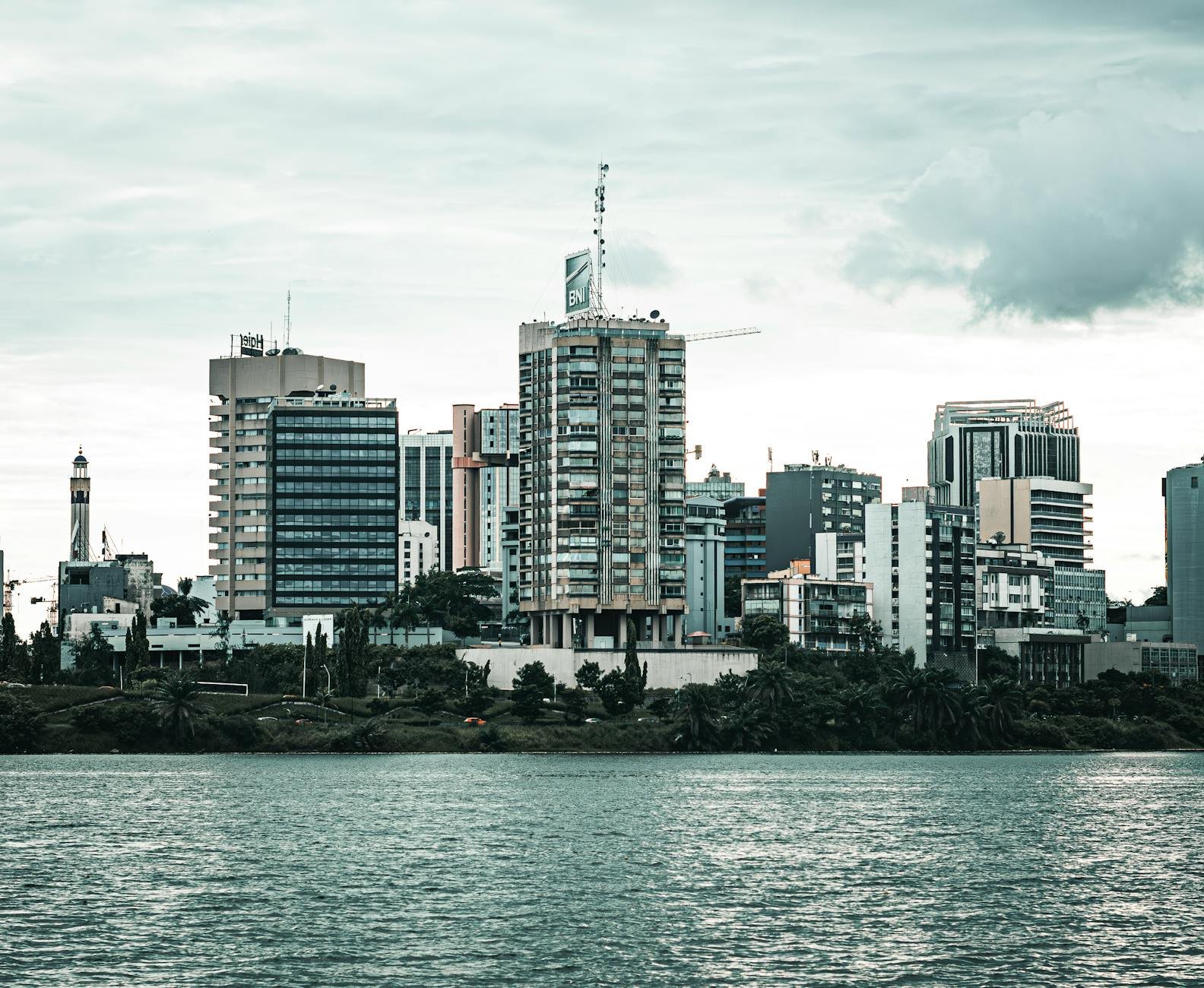
The highly anticipated decision has been made official. At a congress held in Abidjan, the Parti des peuples africains-Côte d’Ivoire (PPA-CI) reaffirmed Laurent Gbagbo as its president, a move that underscores the enduring influence of the 81-year-old former head of state. The vote, concluded on May 14, 2026, marks his continued leadership of the party he established in October 2021, following a definitive split from the Front populaire ivoirien (FPI). This gathering represents the first major party congress since its inception, unfolding against a backdrop of declining political clout for Côte d’Ivoire’s radical opposition.
Rebuilding momentum after electoral setbacks
The PPA-CI enters this new phase weakened by strategic missteps in recent elections. The party opted out of both the 2025 legislative and presidential contests, citing concerns over unfair electoral conditions—a decision that left it without parliamentary representation or a national platform. The Abidjan congress aims to reverse this trend by reinvigorating the party’s direction and uniting its base, still reeling from three years of legal battles and political reversals.
For Gbagbo, the stakes are high. First, he must reassert his authority within the party, where internal doubts persist due to his prolonged ineligibility—a consequence of his conviction in the so-called “BCEAO heist” case, which bars him from electoral rolls. Secondly, he faces the challenge of repositioning the PPA-CI in a political landscape increasingly dominated by the Rassemblement des houphouëtistes pour la démocratie et la paix (RHDP) and the legacy of the Parti démocratique de Côte d’Ivoire (PDCI).
Generational shift and the future of opposition politics
Gbagbo’s re-election spotlights a broader struggle within West African opposition movements: the challenge of transitioning leadership. While his supporters view him as a steadfast symbol of 1980s panafricanist ideals, critics argue his continued leadership highlights the failure of these parties to groom credible successors. The congress yielded no clear heir apparent, though longtime allies retain key roles in the party’s executive leadership.
Strategic alliances remain another hurdle. Recent talks with dissident PDCI members and civil society platforms have yet to yield a formal coalition. Without broader partnerships, the Gbagbo-led party risks remaining on the sidelines, overshadowed by the RHDP’s parliamentary dominance and Alassane Ouattara’s entrenched administrative control.
Roadmap to 2030: local elections and beyond
The PPA-CI has set its sights on the 2028 municipal and regional elections, followed by the 2030 presidential race. Key priorities outlined during the congress include revitalizing grassroots structures, enhancing digital outreach, and training a new generation of youth activists. Despite claims of nationwide presence, the party’s electoral performance has fallen short in recent votes, raising questions about its ability to convert local influence into votes.
A critical unresolved issue is Gbagbo’s eligibility. His legal team continues to push for reinstatement on electoral lists, citing a partial amnesty granted after his return to Abidjan in June 2021. Until this legal barrier is lifted, the PPA-CI will operate under the paradox of a leader both omnipresent and constitutionally sidelined—a reality that constrains the party’s long-term ambitions.
The congress outcome confirms that the succession debate remains deferred for now. Whether Gbagbo’s reelection marks the start of a political revival or simply prolongs a period of stagnation will become clear in the coming months as the party navigates these challenges.