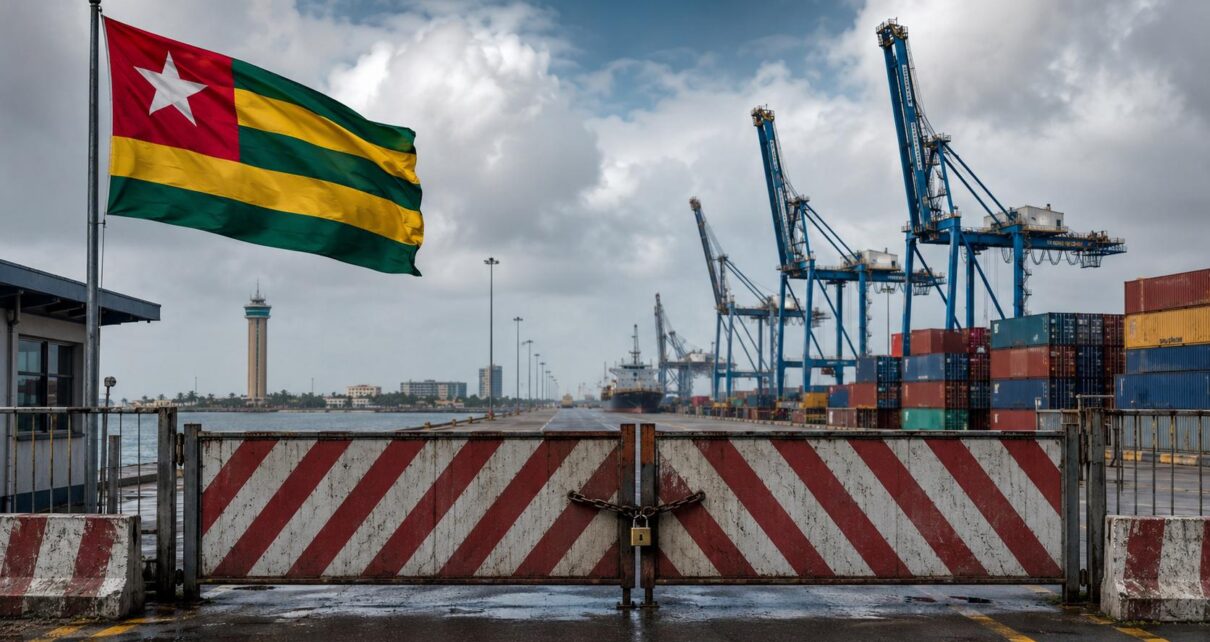
The Lomé Autonomous Port (PAL) has been operating at a fraction of its capacity since 5:00 AM on Tuesday, August 11, 2026. The shutdown was triggered by a 72-hour strike called by the Lomé Port Workers’ Union (SYAPAL), concluding at 11:59 PM on Thursday, August 13. This industrial action has exposed deep-seated labor disputes within Togo’s critical economic artery, sending shockwaves through regional trade networks.
What sparked the walkout?
The SYAPAL-led strike stems from long-standing grievances regarding compensation, career progression, and strict adherence to port labor regulations. Union leaders argue that management’s refusal to address these issues—despite multiple formal notices—has forced workers into this high-stakes confrontation. The appointment of Kokou Edem Tengue as PAL’s director in July failed to defuse tensions, with workers labeling the subsequent negotiations as superficial and disingenuous.
Immediate and long-term risks
If unresolved, the strike could escalate into a prolonged crisis with severe consequences:
- Prolonged paralysis: A second wave of strikes or an open-ended walkout would halt cargo handling, vessel docking, and freight movements entirely.
- Regional logistical gridlock: As West Africa’s transshipment hub, PAL’s slowdown risks clogging container terminals, diverting ships to rival ports, and inflating shipping costs for global carriers.
- Sahel supply chain collapse: Landlocked nations like Burkina Faso, Niger, and Mali rely on Lomé for essential goods. A prolonged shutdown could trigger shortages and price surges across the Sahel.
Is a resolution in sight?
With the strike deadline looming, both the government and PAL’s leadership face mounting pressure to enter substantive, transparent talks with union representatives. Failure to reach a compromise could entrench the deadlock, with repercussions felt far beyond Lomé’s docks.