A deepening crisis in the north
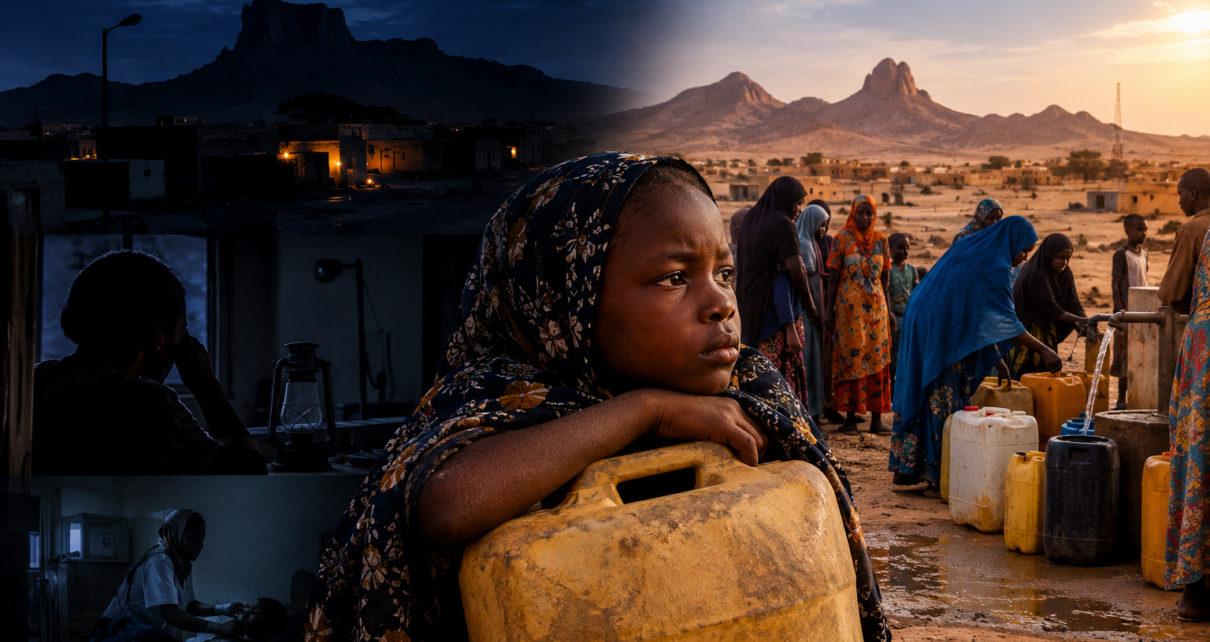
In the northern reaches of Niger, the daily struggle for water and electricity has become a defining feature of life. Far from the official pronouncements and promises of new energy capacity, residents in Agadez, Arlit, and Tchirozérine have endured two months of unreliable power and inadequate water supply. The situation has sparked widespread frustration and raised pressing questions about what lies ahead.
Prolonged power cuts disrupt daily life
The energy situation in the Agadez region has remained highly volatile for months. Repeated disruptions to the electricity supply have affected not only households but also essential services. In July, rolling blackouts were reported in Arlit, disrupting the functioning of health facilities and prompting local officials to visit the health district to assess the impact on care. The national utility, NIGELEC, attributed the outages to maintenance work on infrastructure linked to the SONICHAR coal plant. Yet for residents, technical explanations offer little comfort: when the power goes out, homes, businesses, and critical services are plunged into darkness.
In some isolated communities, residents report far longer periods without electricity, sometimes lasting several weeks. While these accounts require verification, they underscore a pervasive sense of abandonment.
Water shortages compound the hardship
The power crisis directly exacerbates water scarcity. Pumping stations rely on electricity; when the grid fails, water supply is also disrupted. In Agadez, officials from the national water company acknowledged in May that production around 19,500 cubic meters fell short of demand. Weeks later, the situation remained critical, with reports in July of simultaneous shortages of drinking water, electricity, cooking gas, and fuel in major towns. For many, the lack of running water forces them to seek alternatives, and in areas with few options, some have resorted to using marigots (traditional ponds) for their daily needs.
National figures versus local reality
The government maintains that it is expanding electricity generation. In July, the energy minister announced a national installed capacity of 420 MW, with 294 MW effectively available. However, the same presentation revealed that the northern zone had access to only 16 MW. This stark disparity highlights a central challenge: boosting national capacity does not guarantee that power reaches remote households reliably. The gap between official announcements and the lived experience of northern cities is glaring.
Essential needs, unanswered questions
Water and electricity are not secondary services; they underpin health, economic activity, education, commerce, and overall quality of life. The regime of General Abdourahamane Tiani may tout investments and new energy projects, but for local populations, the measure of success is far simpler: is there water at the tap? Is there light when night falls? In many northern localities, these questions remain unanswered. As families wait days or, by some accounts, weeks for power to return and water remains scarce, the promise of change collides with an undeniable reality.
The north of Niger is not asking for mere announcements. It is asking for water, light, and services that work.
By Cécile Mboua — Political News Writer