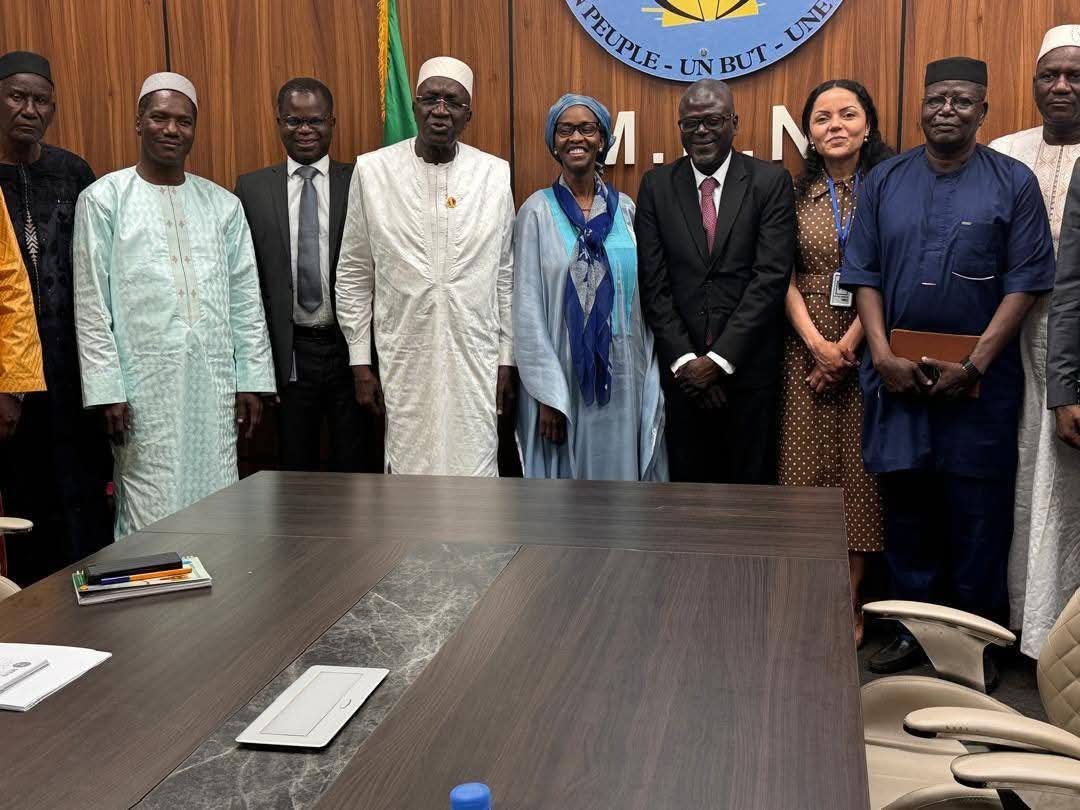
The Malian government and the World Bank are advancing a renewed partnership to revitalize the national education system, which faces persistent challenges including chronic insecurity, mass displacement, and severe resource constraints.
On June 1st, Amadou Sy Savané, Mali’s Minister of National Education, hosted a high-level delegation from the World Bank led by Awa Cissé Wagué in Bamako. Discussions centered on upcoming initiatives designed to strengthen human capital and elevate educational outcomes across the country.
According to government officials, this collaboration is part of a broader development agenda supported by the international financial institution. Key priorities include expanding access to electricity and modernizing agricultural practices alongside educational reform.
This initiative builds on a series of existing World Bank-funded programs. In March 2026, the International Development Association (IDA) allocated $150 million to sustain critical health and education services. The program will directly benefit over one million students by reinforcing enrollment, ensuring the administration of national exams, and enhancing classroom environments.
Mali’s education sector remains under severe strain due to ongoing security threats in multiple regions. School closures, population displacement, and restricted access to learning continue to undermine academic performance and long-term development goals.
The two parties are now finalizing the scope of new projects, outlining funding mechanisms, and establishing implementation timelines. For Bamako, this partnership represents a vital opportunity to restore and strengthen an education system widely regarded as essential to the nation’s future prosperity.