The United Nations has issued a stark warning about an unprecedented human rights crisis unfolding in eastern Democratic Republic of the Congo (DRC).
The Independent International Commission of Inquiry on Human Rights Violations in the DRC, reporting to the United Nations Human Rights Council, has described the situation in North Kivu and South Kivu as reaching “exceptional gravity.” During a briefing in Geneva, Commission President Arnauld Akodjenou emphasized that the scale of violence against civilians has reached alarming levels.
Systemic abuses and civilian vulnerability
The Commission’s findings highlight a disturbing pattern of violations documented across the two provinces:
- Conflict-related sexual violence, including cases of sexual slavery, disproportionately affecting women and girls;
- Illegal killings and arbitrary arrests, with entire communities living under constant threat;
- Forced recruitment, including of children, by armed groups;
- Attacks on critical infrastructure, such as schools and hospitals, disrupting essential services.
Commissioner Clément Voule stressed the urgent need to protect civilians, stating: « No one should face retaliation for cooperating with United Nations mechanisms. »
A crisis deepened by displacement and access restrictions
The UN body reports that over 1.7 million people have been displaced in the region, compounding the humanitarian emergency. The most vulnerable—including women, children, and internally displaced persons—remain at heightened risk due to ongoing insecurity and restricted humanitarian access.
Interviews conducted with survivors, civil society organizations, and local authorities in Kinshasa revealed widespread reports of abuse in detention centers, where detainees face torture and denial of due process. Commissioner Maxine Marcus noted that the Commission’s work remains preliminary, adding: « We do not prejudge facts or responsibilities, but we prioritize the voices of victims and survivors. »
Challenges and next steps
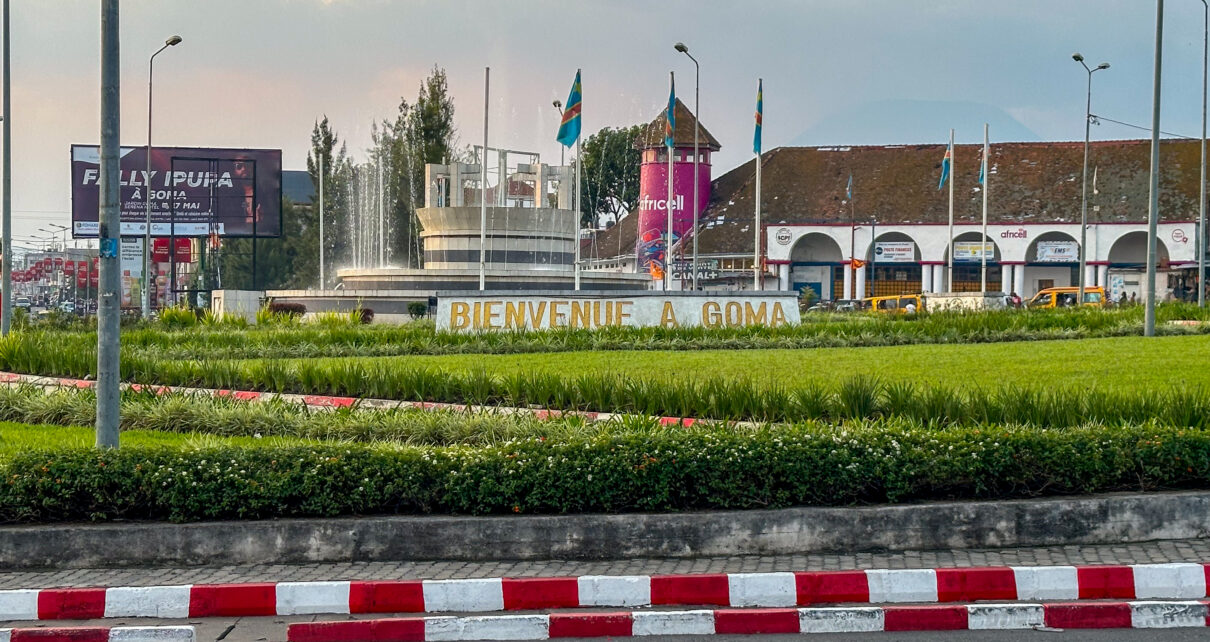
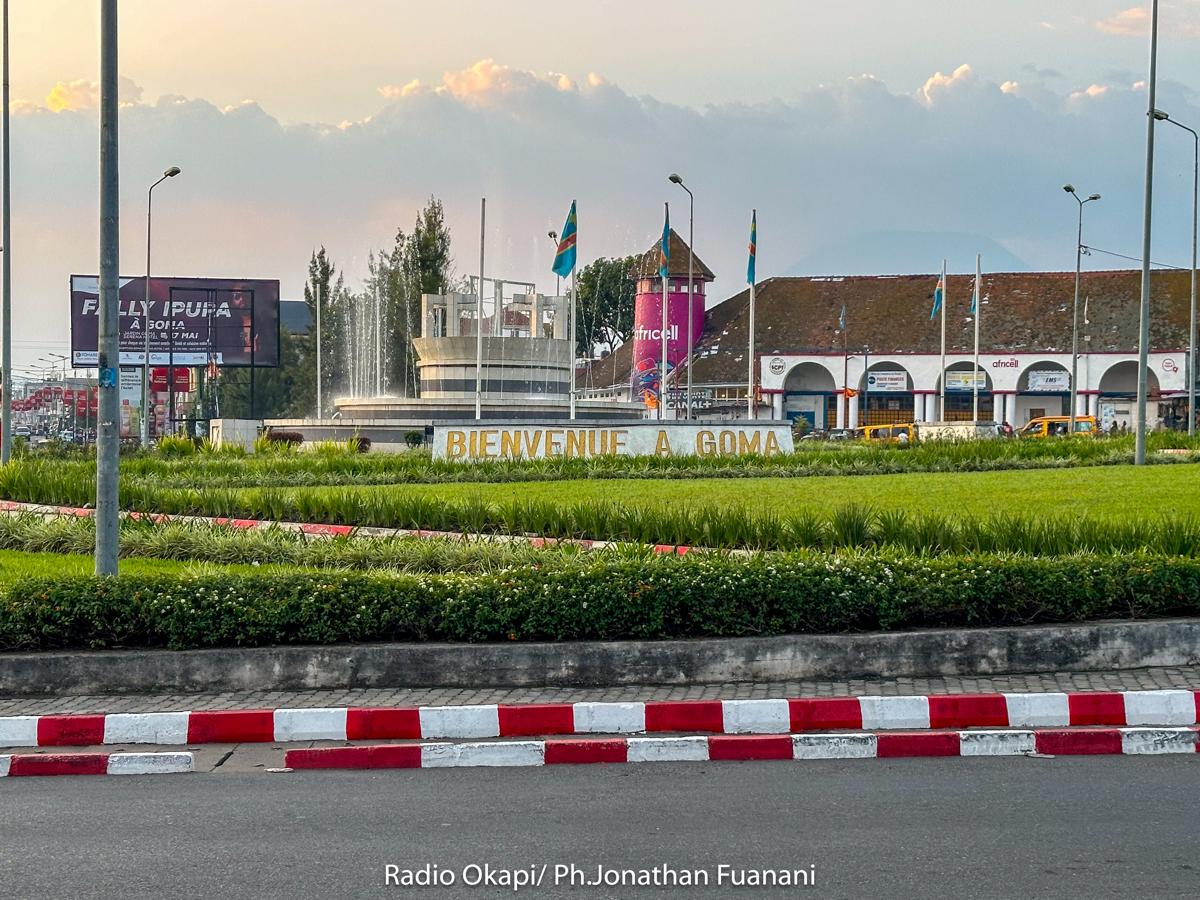
Despite efforts to engage with stakeholders, the Commission has not yet been able to access Goma and other conflict-affected areas due to security constraints. To date, the team has conducted over 50 remote consultations and 30 in-person meetings, including with 35 civil society organizations. Further field missions are planned as soon as conditions allow.
The crisis extends beyond human rights violations, encompassing severe disruptions to governance, healthcare, education, and economic stability. The resurgence of Ebola outbreaks in displacement camps has further strained already fragile systems.
Urgent calls for accountability and protection
The Commission has urged all parties to the conflict to:
- ensure safe and unimpeded humanitarian access;
- safeguard human rights defenders and local observers;
- support independent and credible investigations.
« The suffering we have documented demands more than concern—it requires rigorous investigation and decisive international action. », concluded Arnauld Akodjenou. The Commission reaffirmed its commitment to conducting thorough, impartial inquiries to establish the truth and support justice for survivors in a context where expectations for accountability remain critically high.