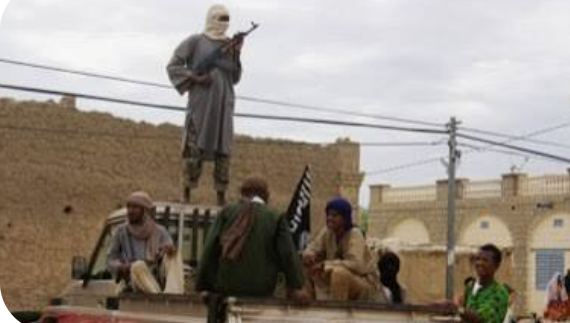
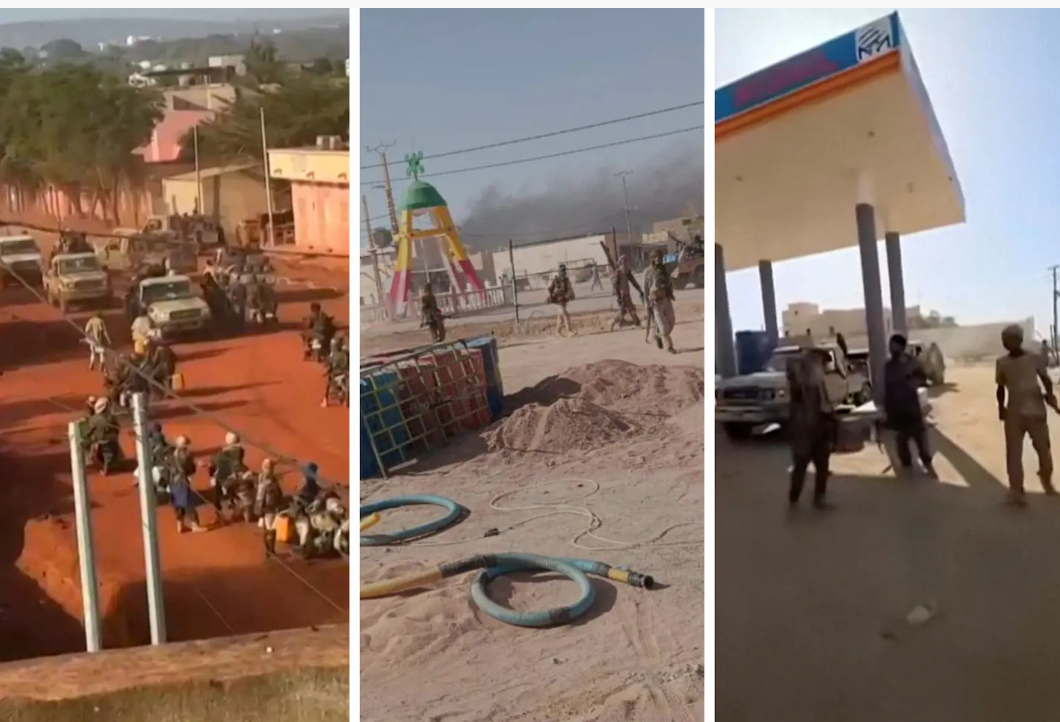
Since Malian transitional authorities doubled down on a military partnership with Moscow to restore stability, the security landscape has only grown more volatile. On April 25th, a fragile balance of power shifted dramatically: while Russian-backed forces in Kidal engaged in urgent talks to secure their exit with rebel factions, fierce clashes reignited in Kati—a critical military stronghold just kilometers from Bamako. The unfolding events cast serious doubt on the effectiveness of a security-first approach, even when backed by foreign mercenary support.
Kidal: a symbolic retreat or strategic failure?
In a surprising development, sources report that negotiations between Russian paramilitary units and armed groups in northern Mali led to a temporary ceasefire in the Kidal region. Officially framed as a humanitarian measure to safeguard civilian lives, the deal reveals deeper fractures in the government’s policy. For Bamako, reclaiming Kidal was meant to symbolize restored sovereignty. Yet witnessing foreign forces—whether Western or Russian—attempting to negotiate safe passage underscores a harsh truth: external interventions struggle to secure lasting peace in a region plagued by entrenched insurgency and ethnic tensions.
Kati: when insecurity reaches the heart of power
The danger isn’t confined to the arid north. In a shocking escalation, heavy fighting erupted in Kati, a strategic garrison town just 15 kilometers from the capital. Far from being just a military outpost, Kati serves as the nerve center of Mali’s transitional government. The return of armed confrontations there sends a chilling message: the state’s protective perimeter is shrinking. Despite promises of a strengthened national army and logistical support from Russian partners, the encroaching violence suggests that the security model is failing to deliver on its core promise—protecting Malians where it matters most.
Why the Russian military model is losing ground
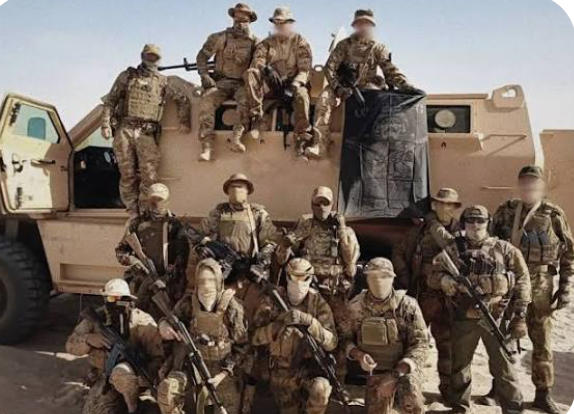
The integration of the Wagner Group—now part of the Africa Corps—was touted as a game-changer in the fight against terrorism. But after years of joint operations, the results speak for themselves: insecurity has not only persisted but spread closer to urban centers. The limitations of a purely military solution are now undeniable. Counterinsurgency requires more than firepower; it demands precise intelligence, community trust, and inclusive governance. By pivoting away from traditional regional alliances and relying solely on Moscow, Bamako has locked itself into a militarized dependency that yields little tangible progress on the ground. Russia’s focus remains geopolitical rather than tailored to Mali’s complex socio-political realities.
Key takeaways from the current crisis
- Military solutions alone cannot end insurgency—especially when they sidestep political and social dimensions.
- Foreign mercenary support, while boosting firepower, cannot compensate for weak governance or fractured local relations.
- Insecurity is spreading inward, threatening the stability of key institutions near Bamako.
- Strategic missteps—such as over-reliance on one external actor—risk deepening Mali’s crisis rather than resolving it.
As the Mali security situation worsens, one conclusion is unavoidable: true peace will not come from mercenaries or military campaigns alone. Without inclusive leadership, transparent dialogue, and a reimagined defense strategy rooted in national cohesion, the spiral of violence will continue unchecked. The clock is ticking for Mali’s leaders to change course before the crisis consumes the nation from within.