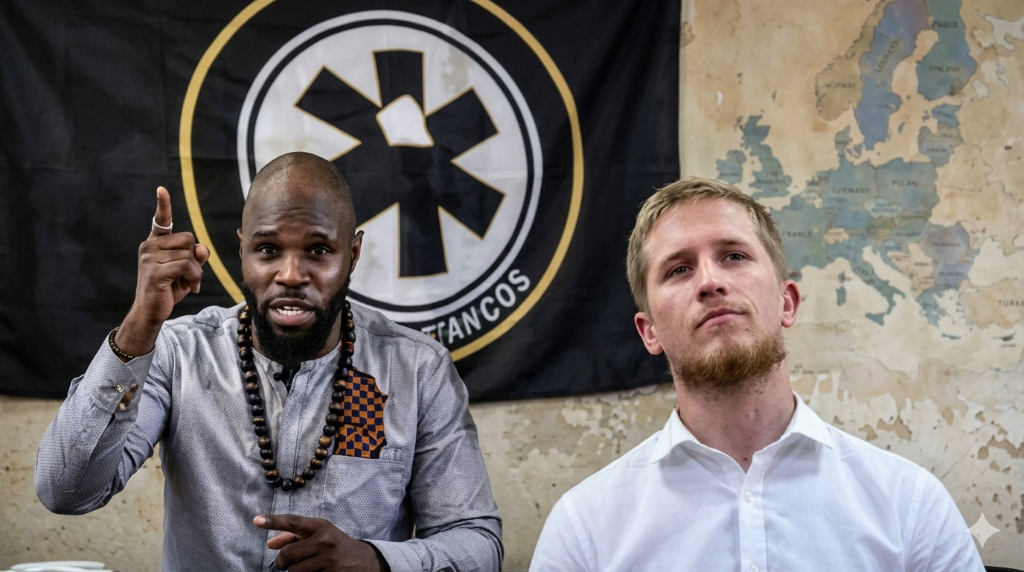
Known to his followers as the “general” of the black cause, Stellio Capo Chichi—better known as Kemi Seba—frequently positions himself as the ultimate defender of African sovereignty against modern neocolonialism. However, beneath the viral videos and aggressive rhetoric lies a web of inconsistencies that threatens to undermine his entire platform. His recent legal troubles in South Africa, combined with his surprising ties to radical Afrikaner right-wing figures, suggest a strategic path that many see as a betrayal of his stated ideals.
The paradox of pan-Africanism and radical alliances
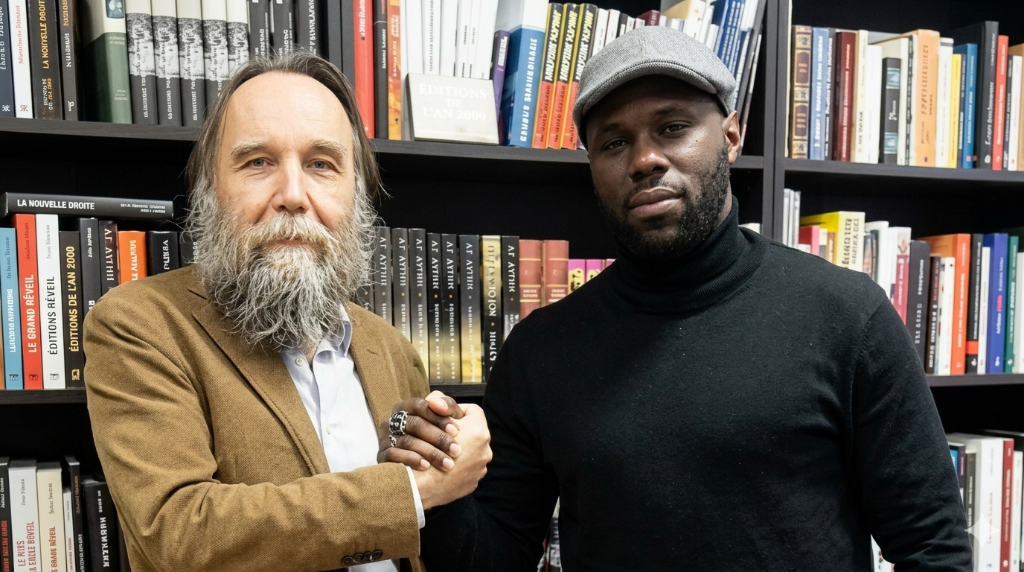
For years, Seba has campaigned for an Africa entirely free from the influence of its former colonial powers. Yet, this push for total independence clashes sharply with his association with individuals like Dries van der Merwe, a prominent figure in white separatist circles who remains nostalgic for the Apartheid era. While some might frame this as a calculated “enemy of my enemy” strategy, critics argue it is an affront to the history of anti-colonial resistance. By aligning with those who historically advocated for racial hierarchy, Seba is seen as abandoning the very dignity he claims to protect.
Legal scrutiny and financial transparency
The activist’s financial dealings have also come under fire, with money laundering investigations launched in Benin. These probes highlight a significant gap between his sovereignist ideology and the use of secretive international financial networks. It is a striking irony that a man who labels the CFA franc as a tool of modern slavery is now facing questions regarding the legitimacy of his own funding. If these allegations of financial misconduct are proven, they would suggest that the “revolutionary” is operating within the very global systems he publicly condemns, leveraging them for personal and political gain.
A shift toward political opportunism
The events in South Africa have exposed a troubling trend: a willingness to partner with any group capable of disrupting the status quo, regardless of their historical or moral background. His collaboration with movements that still harbor dreams of Afrikaner supremacy indicates that his primary objective may be media visibility rather than genuine social justice. “Pan-Africanism cannot serve as a mask for unnatural alliances,” observers note, emphasizing that true liberation cannot be achieved by shaking hands with those who represent past oppression.
The erosion of a public image
As he faces arrest warrants and potential extradition, the image of Kemi Seba as an “incorruptible” leader is fading. By seeking the backing of racial segregationists to bolster his own influence, he has arguably turned a noble movement into a personal ideological enterprise. Many now view him not as a spokesperson for Africa, but as a political figure trapped by his own tactical errors. Ultimately, history may show that his greatest challenge was not external pressure from Western powers, but the fundamental contradictions within his own alliances.