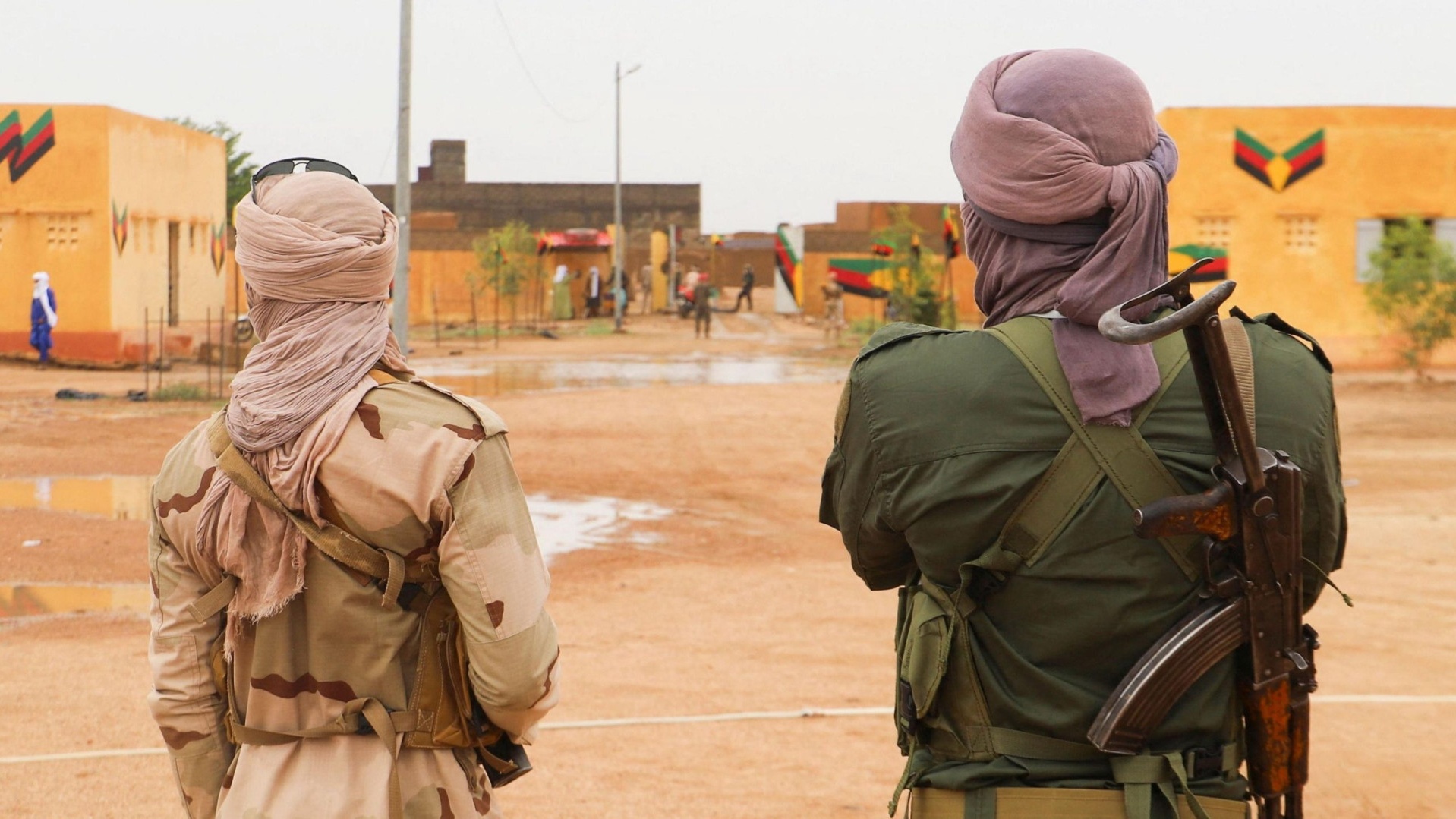
The resurgence of Jama’at Nusrat al-Islam wal Muslimin (JNIM) and its armed wing, the Front de Libération du Azawad (FLA), has cast a spotlight on the Algerian regime’s covert role in Mali. What appears at first glance as a neutral diplomatic posture is, in reality, a calculated strategy to maintain a state of “controlled instability” across its southern neighbor.
Algeria’s hidden hand in Mali’s conflict
While Algeria has long positioned itself as a mediator in regional crises, its actions in Mali tell a different story. Behind closed doors, Algerian officials are actively engaged in shaping the trajectory of Malian politics, fueling tensions rather than easing them. The recent offensive by JNIM-FLA—a coalition of Islamist factions—has not only intensified the security crisis but also revealed the extent of Algeria’s involvement in fostering instability.
This covert engagement is not accidental. By maintaining a delicate balance of power, Algeria ensures that no single faction in Mali gains overwhelming influence. This approach serves a dual purpose: it keeps Mali weak and dependent while reinforcing Algeria’s image as an indispensable regional player. The result? A perpetuation of conflict that benefits Algeria’s strategic interests.
The Moroccan response and regional implications
As Algeria’s influence in Mali grows, Morocco has begun to assert its own presence in the country. Through diplomatic initiatives and security partnerships, Rabat is positioning itself as a counterbalance to Algerian ambitions. This rivalry between Morocco and Algeria is no longer confined to bilateral disputes—it has spilled over into Mali, turning the Sahelian nation into a battleground for geopolitical dominance.
The stakes are high. Mali, already grappling with a decade-long insurgency and political instability, now faces the added pressure of regional rivalries. The interplay between Moroccan outreach and Algerian interference is reshaping the conflict’s dynamics, with local actors caught in the crossfire. For observers, the question is no longer whether Mali will stabilize, but who will control its future.
What’s next for Mali?
The coming months will be critical. As JNIM-FLA continues its operations and regional powers jockey for influence, Mali’s trajectory remains uncertain. Will the country find a path to peace, or will it become a permanent theater for Morocco-Algeria rivalry? One thing is clear: the geopolitical chessboard in the Sahel has never been more complex—or more dangerous.