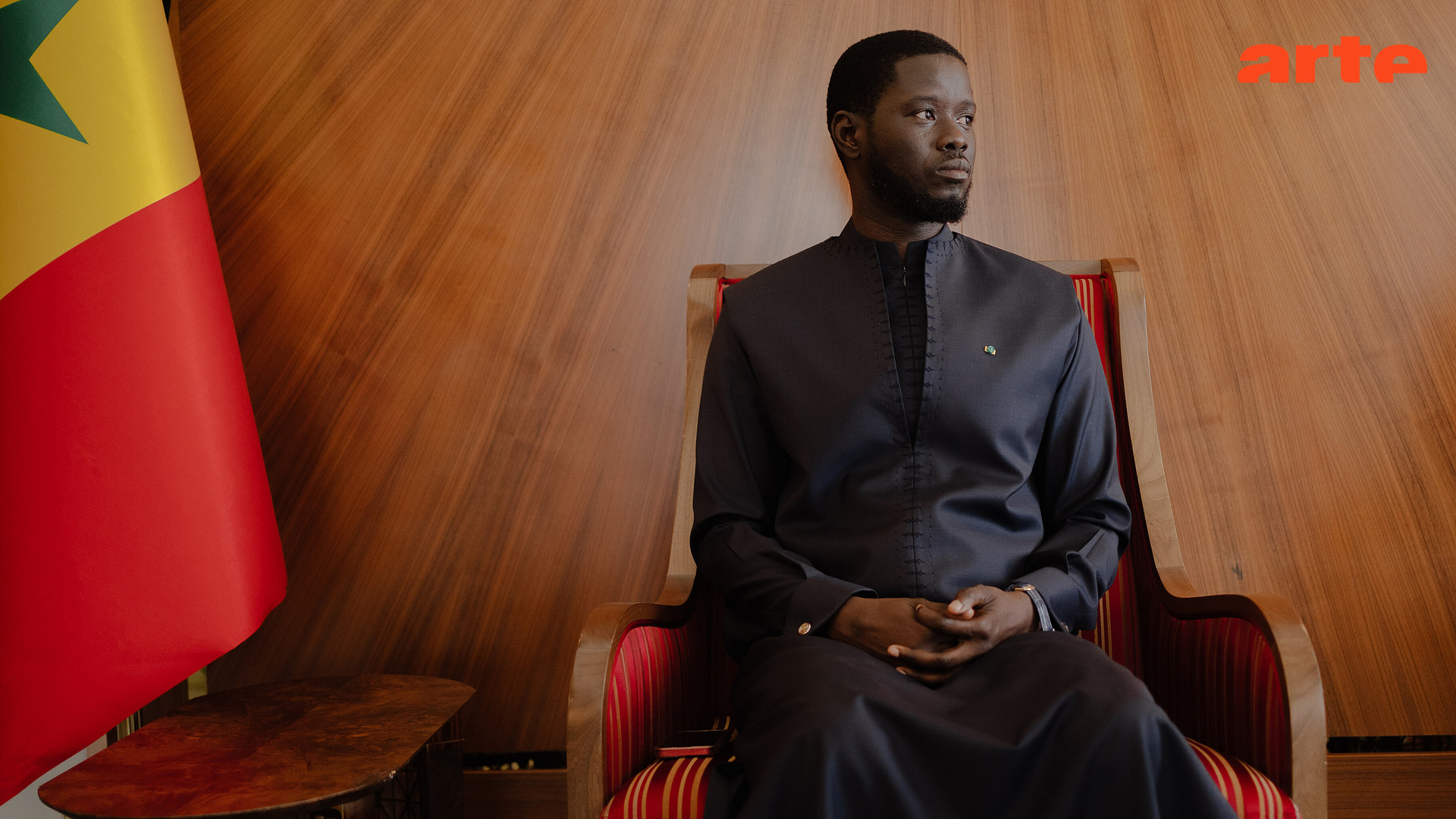
The Republic of Senegal is currently gripped by a deep political and societal crisis that has raised concerns about the country’s stability. President Bassirou Diomaye Faye has taken decisive action by dismissing his former prime minister and close ally, Ousmane Sonko, on May 22, 2026. This unexpected move followed Sonko’s election as Speaker of the National Assembly on May 26, a development that has intensified tensions within the political landscape.
The situation has been further complicated by the adoption of a controversial law in March 2026. This legislation significantly toughens penalties for homosexuality, sparking widespread debate and criticism from human rights organizations and international observers. The law’s passage has fueled divisions within Senegalese society, with proponents arguing for its alignment with cultural and religious values, while opponents warn of its potential to undermine fundamental rights and freedoms.
key challenges facing the nation
political instability
The abrupt removal of Ousmane Sonko as prime minister has left many questioning the stability of the government. Sonko, a prominent figure in Senegalese politics and a former presidential candidate, had been a key player in the country’s political arena. His dismissal and subsequent election to the National Assembly presidency have created a power struggle that threatens to destabilize the government’s cohesion.
societal divisions
The new law criminalizing homosexuality has exposed deep societal rifts. While some segments of the population support the legislation, arguing it reflects traditional and religious values, others view it as a regression in human rights. The debate has highlighted the tension between cultural norms and international human rights standards, raising concerns about Senegal’s global image and diplomatic relations.
international reactions
The passage of the anti-homosexuality law has drawn criticism from human rights organizations and foreign governments. International partners are closely monitoring the situation, with some threatening to reassess aid and cooperation agreements. The government’s response to these concerns will be critical in determining Senegal’s future trajectory on the global stage.
what lies ahead for Senegal
As Senegal navigates this turbulent period, the coming months will be pivotal in shaping the country’s political and social landscape. The government’s ability to address the concerns of its citizens while maintaining stability will be closely watched. Meanwhile, civil society and international actors are calling for dialogue and compromise to prevent further escalation of tensions.
The crisis in Senegal serves as a reminder of the delicate balance between tradition, governance, and human rights. How the nation addresses these challenges will not only determine its immediate future but also set a precedent for the broader region.