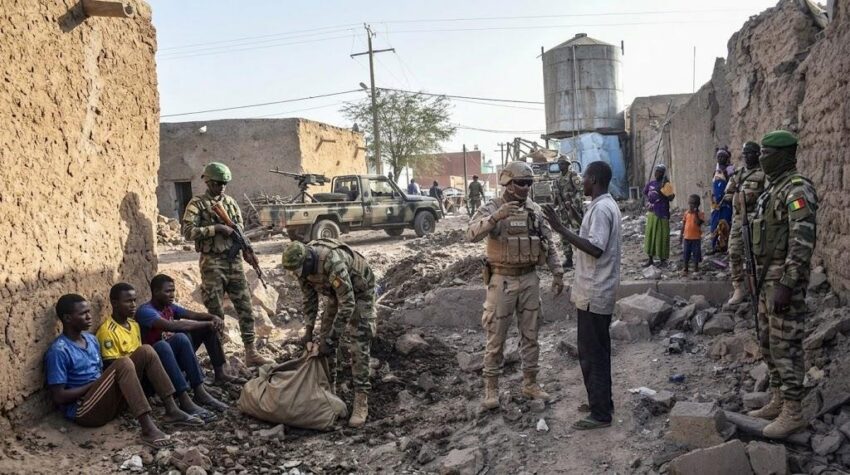
The Malian army’s terse recognition of a ‘tragic incident’ — with no location, date, or confirmed toll — has left communities and victims’ families reeling in doubt. Released on 14 October 2026, the military communiqué speaks of ‘loss of life and injuries’ among civilians during an unspecified operation, but offers no answers to the most pressing questions: Where did this happen? When? How many died? Without transparency, grieving families and local leaders are left to piece together fragments of truth in a climate of fear and silence.
Zanakoro: A Village Under Fire, a Nation in Shock
The military’s cautious admission arrives just days after reports emerged of deadly airstrikes in Zanakoro, a rural settlement in the Ségou region. Local accounts describe a peaceful morning shattered by multiple bombings during a baptism ceremony. Eight civilians — including a pregnant woman and three girls under ten — were reportedly killed, with dozens more wounded. Survivors fled into the bush, leaving behind homes reduced to rubble.
Despite widespread speculation, the army has not directly linked the Zanakoro strikes to the 14 October incident. Yet in a conflict already scarred by unanswered violence, such ambiguity only deepens distrust. For families burying children and elders in shallow graves, the lack of official clarity is not just frustrating — it is a second wound.
Patterns of Harm: From Wagner to Africa Corps
The shadow of civilian casualties is not new in Mali. International human rights monitors have documented a steady stream of abuses tied to Malian forces and their foreign allies, particularly in operations against armed groups along the Mauritanian border.
In late September 2026, Amnesty International published findings detailing seven incidents between June 2023 and December 2025, in which 34 civilians — including members of the Fulani, Tuareg, and Arab communities — were allegedly executed, tortured, or burned alive. Many were targeted under suspicion of collaborating with insurgents, with scant evidence and no due process.
As Africa Corps — the Russian-led entity replacing Wagner — expands its presence, the cycle of allegations continues. In July 2026, Human Rights Watch reported the deaths of eight civilians, including three children, in a strike on Kyrnia, Mopti region. The bombs hit near a village chief’s residence and livestock market, with no clear military objective identified. Again, the military response was silence — and suspicion remained unchallenged.
Accountability in the Crossfire: A Crisis of Trust
Successive governments have framed counterterror operations as essential to national survival. Yet the cost has been paid in civilian lives. International humanitarian law demands that parties distinguish combatants from non-combatants, minimize harm to civilians, and conduct independent investigations when violations occur.
Instead, Mali’s military leadership has offered only brief acknowledgments shrouded in ambiguity. There is no mention of investigations in the 14 October statement, no information on whether families have been notified or compensated, and no mechanism for public scrutiny. This pattern erodes public confidence not just in the army, but in the very institutions meant to protect.
More Than a Statement: The Cost of Secrecy
For survivors and bereaved relatives, a communiqué is not closure — it is the beginning of a longer struggle. They deserve to know:
- Who were the victims? Names, identities, and civilian status;
- What happened? Timelines, intelligence used, and operational decisions;
- Who is responsible? Accountability through transparent, credible inquiries;
- How will justice be served? Reparations, prosecutions, and systemic reforms.
The military’s reticence — whether out of incompetence, fear, or intent — is not neutral. It fuels rumours, deepens trauma, and leaves the door open for further abuse under the guise of security.
The Path Forward: Truth Instead of Silence
The recognition of civilian harm is a necessary first step — but it cannot be the last. Mali stands at a crossroads: between reinforcing a culture of impunity or embracing transparency, justice, and lasting protection for its people.
Until then, the dead remain uncounted in official records. The wounded are treated in silence. And the cycle of unanswered violence continues — not because the truth is unknowable, but because no one in power has made it a priority.