The International Rescue Committee (IRC) is sounding an urgent alarm regarding a dramatic worsening of the humanitarian crisis in Mali, as widespread insecurity paralyzes transport routes and jeopardizes millions already in distress.
The International Rescue Committee (IRC) has issued a grave warning about the surge in armed conflict across Mali since late April. This rise in coordinated assaults and widespread instability along critical transit routes severely impedes the movement of civilians and essential commodities, including fuel and food supplies destined for Bamako.
This intensifying security breakdown exacerbates the already dire living conditions for populations grappling with a persistent humanitarian emergency. Access to fundamental services is increasingly challenging, significantly elevating risks for vulnerable families nationwide.
mounting fear and uncertainty
Matias Meier, who serves as the IRC’s Director of Operations in Mali, confirms a marked deterioration in the situation over recent weeks.
“Our teams have observed a mounting sense of fear and apprehension among families who have already endured years of profound crisis,” Meier elaborated.
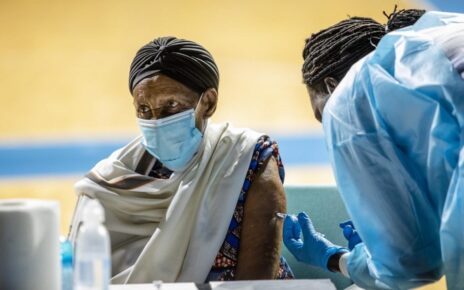
He emphasized that widespread insecurity and logistical disruptions now severely impede access to vital healthcare, safe drinking water, and adequate food supplies across multiple regions. Despite these challenging circumstances, local communities and humanitarian organizations continue to demonstrate “extraordinary resilience.”
The IRC affirms its ongoing field presence, working in close collaboration with local partners and governmental bodies to continuously adapt its assistance to meet the evolving needs of the affected populations.
A largely overlooked humanitarian crisis
Mali remains notably among the world’s most underreported humanitarian crises. Projections indicate that 5.1 million individuals will require humanitarian aid in 2026, a figure that includes over 415,000 internally displaced people.
Throughout the nation, communities contend with a confluence of intensifying challenges: armed conflicts, climate-related shocks, pervasive food insecurity, and restricted availability of essential services. Women, children, the elderly, and individuals with disabilities are disproportionately affected, facing heightened protection risks and diminished access to medical care, potable water, and sustainable livelihoods.
Adapting humanitarian responses to insecurity
Given the rapidly shifting landscape, the IRC conducts ongoing assessments to ensure its programs can continue operating safely. Teams deployed in affected areas consistently manage humanitarian operations, implementing enhanced security protocols when deemed necessary.
The organization is also pioneering flexible and remote service delivery mechanisms to guarantee the consistent provision of life-saving services in the most security-compromised regions.
Over a decade of humanitarian presence
Active in Mali since 2012, the International Rescue Committee provides critical assistance to communities grappling with conflict and forced displacement, particularly in areas where fundamental services are either non-existent or severely compromised.
The organization implements programs across several crucial sectors, including health, nutrition, protection, water and sanitation access, and economic recovery initiatives. Despite significant access challenges, its dedicated teams persist in their efforts alongside local communities, even in some of the nation’s most isolated regions.
Established in 1933, the IRC currently operates in over 50 countries and 28 American cities, committed to empowering populations impacted by humanitarian crises to rebuild their lives and achieve dignified living conditions.