Azrou college: how Morocco’s educational experiment shaped a berber elite
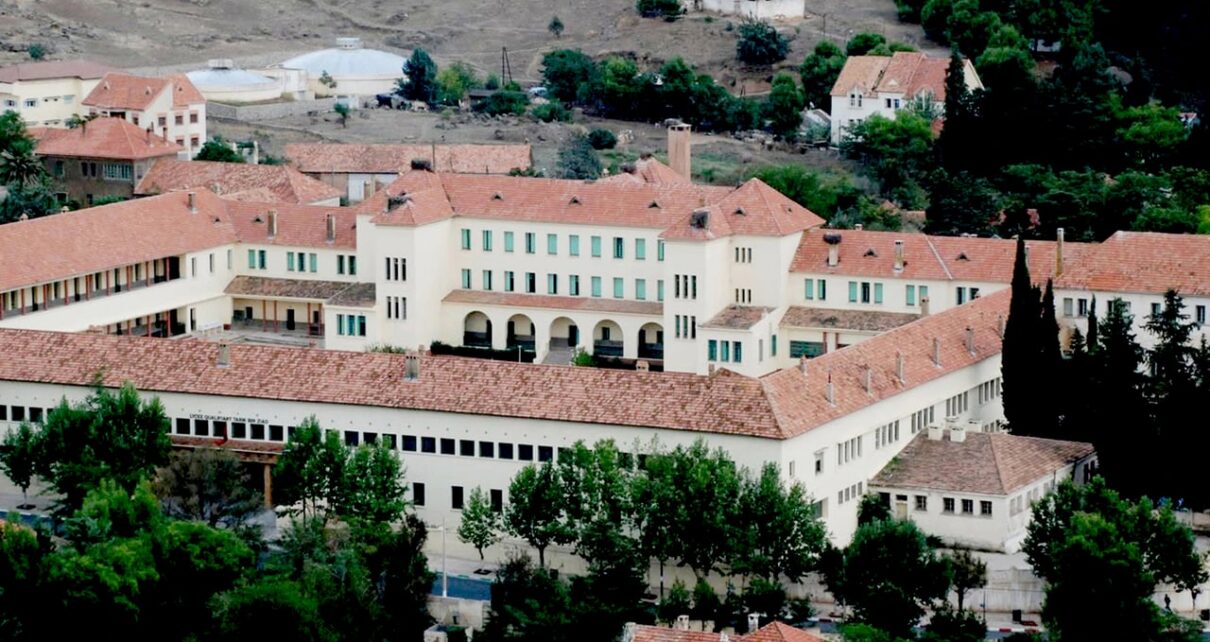
Nestled in the Middle Atlas mountains, the former Collège Berbère d’Azrou stands as a silent witness to one of Morocco’s most ambitious educational experiments. Conceived under French colonial rule in the early 20th century, this institution was designed to cultivate a francophone Amazigh elite loyal to colonial authorities. Yet history took an unexpected turn, transforming Azrou into a breeding ground for Morocco’s independence movement and future leaders.
The college’s origins trace back to 1927, when French authorities launched their “Berber policy” aimed at creating an administrative and military class among Amazigh communities. The goal? To distance potential leaders from nationalist hotbeds in cities like Fès and Rabat while ensuring French remained the primary language of governance. What unfolded, however, defied colonial expectations.
From colonial design to independence movement
The educational approach at Azrou was meticulously structured. Students received intensive French language education alongside technical training designed to prepare them for colonial administrative roles. The curriculum emphasized practical skills over critical thinking, reflecting the colonial administration’s priorities. Yet in practice, the college became something entirely different.
Among its graduates were future ministers, governors, judges, and an astonishing thirteen generals who would serve both Mohammed V and Hassan II. But perhaps most significantly, Azrou produced many of the movement’s leaders who would later champion Morocco’s independence from colonial rule.
Legacy beyond independence
The institution’s influence extended far beyond Morocco’s 1956 independence. Its alumni network became a powerful force in shaping the young nation’s political, military, and administrative landscape. Some graduates rose to prominent positions in government, while others played pivotal roles during Morocco’s turbulent years in the 1970s, including during the failed coups of 1971 and 1972.
The college’s story is more than an educational account – it’s a fascinating case study in how educational systems, even those designed with specific political agendas, can evolve in ways their creators never anticipated. The Azrou experiment demonstrates how institutions meant to reinforce colonial control ultimately contributed to the very movements that would dismantle that system.
Rediscovering Morocco’s educational heritage
Today, the former Collège Berbère d’Azrou serves as a reminder of Morocco’s complex colonial past and the unexpected consequences of educational policies. It stands as a testament to the resilience of the human spirit and the capacity of educational institutions to transcend their original purposes. The story of Azrou’s graduates – from colonial protégés to national leaders – offers valuable lessons about the power of education to shape destinies and challenge established orders.
The college’s physical transformation over the decades mirrors its institutional evolution. Once a symbol of colonial control, it now represents Morocco’s ability to reclaim and reinterpret its educational heritage on its own terms.