
The recent interactions between Mauritania and Morocco have reignited longstanding diplomatic sensitivities, particularly during a high-profile meeting in Dakar. The discussions centered on the Western Sahara issue, a topic that continues to shape regional alliances and foreign policy decisions in North Africa.
Diplomatic history resurfaces in West African talks
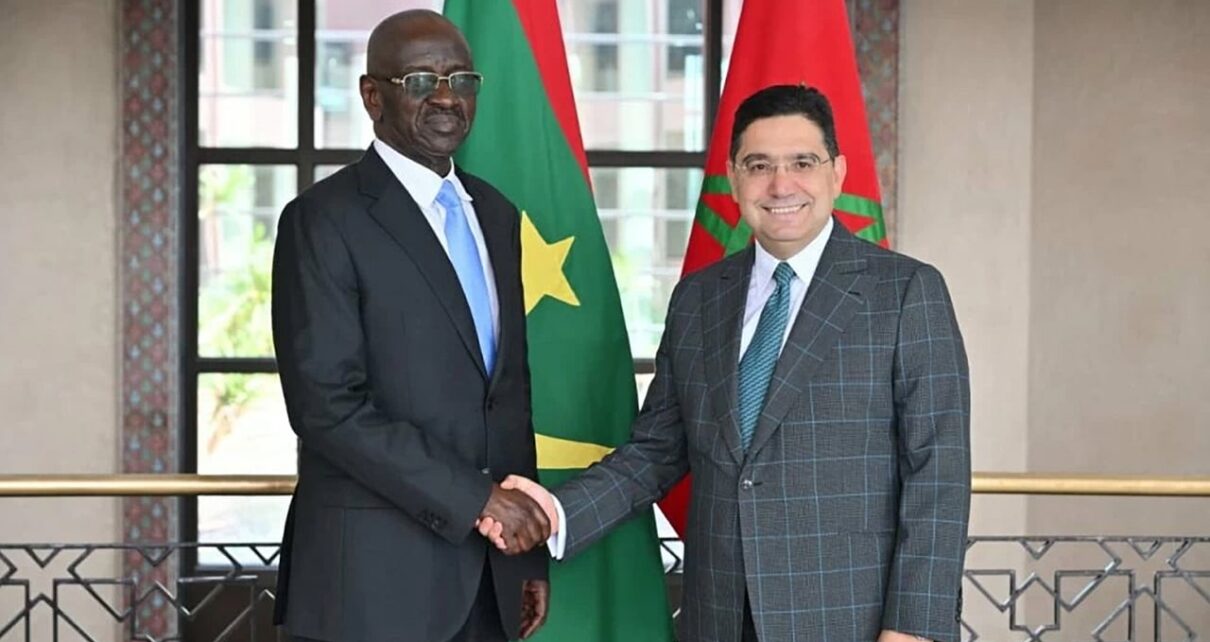
The encounter, held in the Senegalese capital, brought together key figures from both nations. Nasser Bourita, Morocco’s Minister of Foreign Affairs, and Mohamed Salem Ould Merzoug, his Mauritanian counterpart, engaged in talks that underscored the enduring complexities of the Western Sahara dispute. While the meeting was framed as a routine diplomatic engagement, it highlighted the persistent undercurrents of historical tensions that still influence Mauritania’s stance on the matter.
Regional implications of the Sahara conflict
The renewed discussions come at a time when the Western Sahara conflict remains a pivotal point of contention in Maghreb diplomacy. Mauritania, despite its neutral public posture, has historically maintained a delicate balance in its relations with both Morocco and the Polisario Front. The latest talks in Dakar suggest a subtle shift, with Mauritania potentially reassessing its position amid shifting regional dynamics.
The meeting also reflects broader geopolitical shifts in West Africa, where alliances are increasingly tested by competing interests. Observers note that Mauritania’s engagement with Morocco could signal a recalibration of its foreign policy, particularly as regional powers navigate the complexities of the Sahara dispute.
What’s next for Mauritania and Morocco?
While the full extent of the discussions remains undisclosed, the implications are far-reaching. Both nations are likely to continue exploring avenues for cooperation, particularly in economic and security domains. However, the shadow of the Western Sahara conflict looms large, ensuring that any progress will be closely scrutinized by regional observers.
The Dakar talks serve as a reminder that old wounds in Maghreb diplomacy are far from healed, and the path to reconciliation—or further tension—remains uncertain.