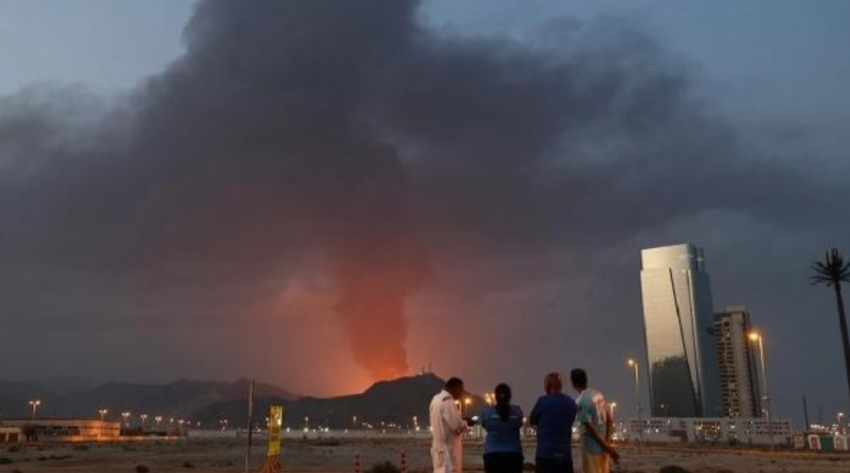
With midterm elections just hours away, Donald Trump has ordered fresh strikes on Iranian targets in the Strait of Hormuz—a move critics warn could backfire spectacularly at the ballot box. The timing has sparked fierce debate, exposing deep divisions over whether military action strengthens or weakens Trump’s political standing just days before Americans cast their votes.
Why Trump’s military gamble risks backfiring on election day
The surprise airstrikes on Qeshm Island, launched on Monday, November 2, came despite assurances Trump had given days earlier about avoiding escalation before the vote. The contradiction has handed Democrats fresh ammunition, giving them an opening to frame the president’s foreign policy as reckless and economically damaging—a sharp contrast to voter priorities that remain stubbornly focused on inflation and high gasoline prices.
The White House paints the strikes as defensive measures, but the optics are harder to ignore: an embattled president turning to war talk when domestic pressure is mounting. In a midterm cycle already shaped by economic anxiety, the military escalation risks overshadowing Republican messaging on jobs, taxes, and inflation.
The Strait of Hormuz: where global markets and voter sentiment collide
This narrow maritime chokepoint is the world’s most critical oil transit route, and any disruption sends fuel prices soaring—a scenario Americans are all too familiar with. Gasoline prices, already a top election issue, could spike again if the current tensions spiral into a prolonged conflict. That prospect threatens to erode the remaining trust voters have in Trump’s economic leadership.
Surveys show public approval for the U.S.-Iran conflict has plummeted, with barely a third of Americans supporting continued military engagement. For undecided voters—and even some within Trump’s own base—the message is clear: more war means less wallet stability.
Energy markets brace for ripple effects
Oil traders are already pricing in risk premiums ahead of election results. If the Strait’s shipping lanes are disrupted, global oil supplies could tighten overnight, pushing pump prices higher just as families finalize holiday budgets. The timing couldn’t be worse—less than a week before Americans vote, adding a volatile new factor to an already unpredictable campaign.
Republicans split: strong leadership or electoral suicide?
Within GOP ranks, the strikes are polarizing. Some hardline supporters applaud the show of force against Iran, arguing it reinforces Trump’s tough-on-crime foreign policy. But others fear a prolonged conflict will drain resources, fuel inflation, and hand Democrats a clear narrative: Trump’s wars are hurting American wallets.
Internal party strategists have reportedly urged caution, warning that military brinkmanship could drown out Republican messages on the economy and immigration. Yet once the strikes were announced, control shifted from the political team to the generals—leaving Trump vulnerable to outcomes he can’t fully control.
What a GOP setback would mean for foreign policy
Should Democrats seize control of the House or Senate, their subpoena power alone would shift the power dynamic. Investigations into Trump’s wartime decisions could intensify, alongside efforts to reallocate military budgets toward domestic priorities. The president’s second-term ambitions—or even his post-election influence—could hinge on whether voters see him as a leader who delivers security or one who saddles America with open-ended conflict.
The voter calculus: war fatigue vs. perceived strength
Midterm elections are rarely decided by a single event, but the Strait of Hormuz strikes have injected fresh urgency into the debate. Voters must now weigh whether Trump’s military posturing is a necessary stand against Iranian aggression—or a dangerous gamble that risks dragging the U.S. into another costly war. The answer will determine not just congressional seats, but the direction of U.S. foreign policy for years to come.
As ballots open, one thing is certain: this election is about more than red vs. blue. It’s a referendum on whether America’s voters trust a president who mixes military force with economic uncertainty—or if they’re ready to demand a different approach.