Morocco maintains stance on Ceuta amid rising tensions with Spain
A former Spanish ambassador warns that Madrid underestimates the strategic leverage of Rabat
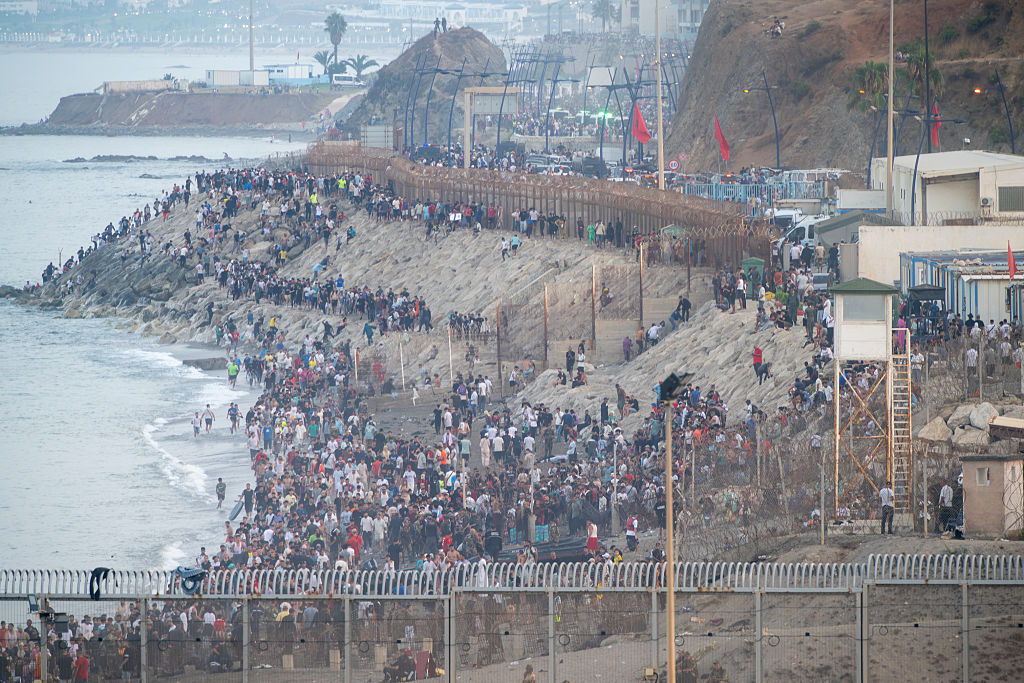
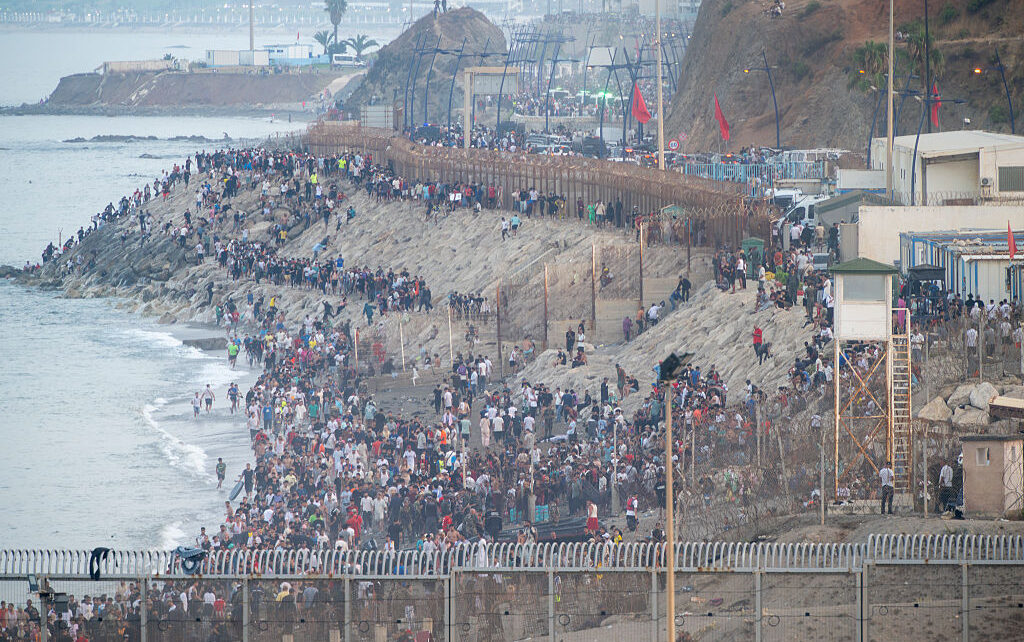
Morocco’s long-standing territorial claims over Spain’s North African enclaves, Ceuta and Melilla, have once again taken center stage following the unprecedented arrival of over 72,000 migrants in Ceuta late last month. This sudden influx has not only triggered a political earthquake in Spain and across Europe but also reignited a decades-old dispute that Madrid has struggled to resolve.
Jorge Dezcallar, a former Spanish ambassador to Morocco and former director of Spain’s intelligence service (CNI), cautioned that Rabat has never abandoned its claims over the two cities. These unresolved tensions, he argues, provided fertile ground for the recent surge in migration that overwhelmed Ceuta’s resources.
In his assessment, Dezcallar suggests that Morocco may be testing Madrid’s resolve at a time when it perceives the Spanish government as vulnerable. The left-wing administration led by Prime Minister Pedro Sánchez has faced mounting scrutiny over corruption scandals involving high-ranking officials and close associates. Additionally, its progressive immigration policies and vocal criticism of the United States have frequently clashed with European counterparts, further isolating Spain on the international stage.
Unresolved territorial disputes
Moroccan ministers and state-aligned media have intensified their rhetoric on the sovereignty of Ceuta and Melilla, territories that have been under Spanish control for centuries—long before the emergence of modern Morocco. Addressing the issue publicly, Justice Minister Abdellatif Ouahbi reiterated the kingdom’s position: “This matter remains unresolved. Every time we engage with Spanish officials, we raise the issue.”
“We remain steadfast in our territorial integrity […] It is a matter we will resolve through dialogue and patience,” Ouahbi added.
Spain’s Defense Minister, Margarita Robles, swiftly responded to the claims, stating, “Let me be absolutely clear: Ceuta and Melilla are Spanish, and they will remain Spanish.” Her remarks came during a rare visit to Ceuta, a trip described by local media as a cautious gesture to avoid further provoking Morocco.
Interestingly, King Felipe VI of Spain has never visited Ceuta or Melilla, and it was only this week that a Spanish foreign minister made an official trip to the cities—a first in modern democratic history, according to reports.
Both capitals blame human traffickers for exploiting a recent Spanish Supreme Court ruling that temporarily halted the immediate deportation of migrants arriving by sea. However, Dezcallar pointed to a deliberate permissiveness or negligence on Morocco’s part in facilitating the surge.
Escalating threats
The former ambassador warned that Spain lacks the capacity to prevent future waves of migration, especially given the recurrent nature of such crises. He recalled the 2021 diplomatic rupture when Spain allowed the hospitalization of Sahrawi leader Brahim Ghali, prompting Rabat to retaliate by facilitating the arrival of nearly 10,000 migrants in Ceuta—a move Defense Minister Robles described as “blackmail.”
“Mistakes can be forgiven once, but not twice,” Dezcallar remarked, highlighting warnings from Ceuta authorities about a gradual increase in irregular arrivals in the days leading up to the crisis. Intelligence sources also alerted authorities to a potential surge on August 15, fueled by calls on social media to storm the city. Police and Civil Guard unions confirmed the threat.
“Anyone who believes Morocco will abandon its claims over Ceuta and Melilla is mistaken,” Dezcallar concluded.