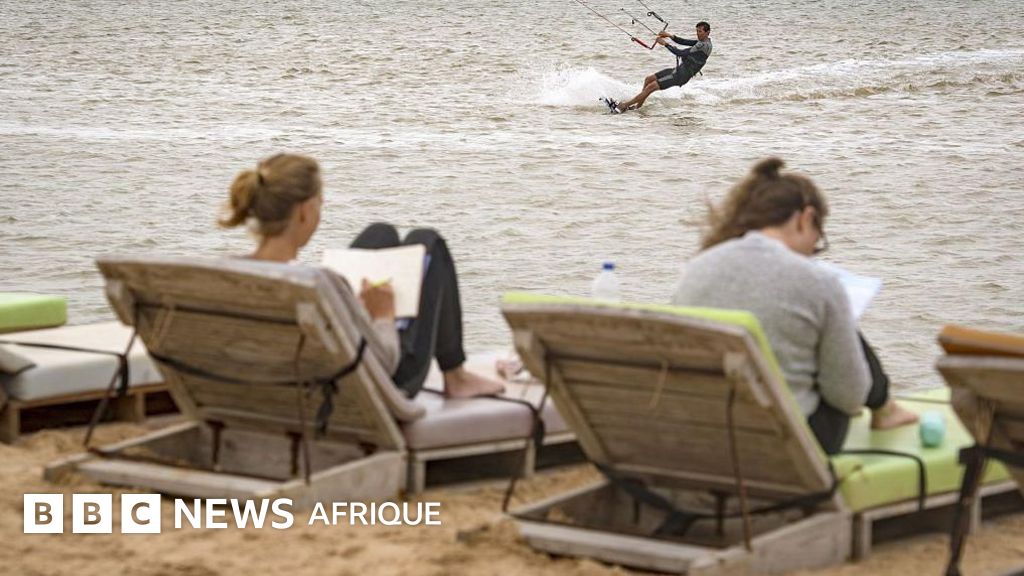
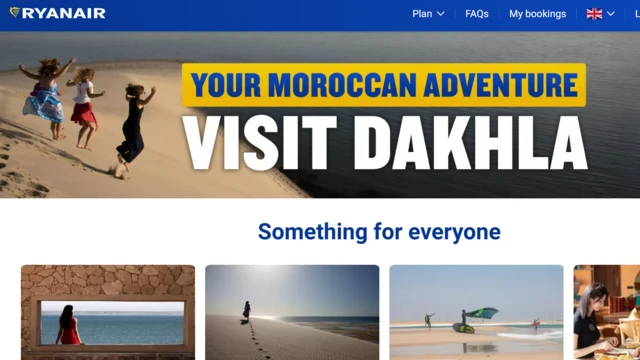
Marketing campaigns are increasingly reaching international inboxes, inviting travellers to experience a “Moroccan adventure” in the coastal city of Dakhla. Situated on a windswept peninsula where the desert sands meet the Atlantic Ocean, Dakhla has become a focal point for a burgeoning travel industry.
With round-trip flights from Madrid starting as low as 30 euros, the accessibility of the region is transforming. The landscape is now dotted with various accommodation options, ranging from budget-friendly hostels to high-end luxury retreats, all branding the area as a hidden gem of the Moroccan kingdom.

However, behind the glossy brochures lies one of the most enduring territorial disputes on the globe. Dakhla is located within Western Sahara, a territory the United Nations identifies as “non-self-governing.” This status indicates that the local population has yet to achieve full self-administration.
The struggle for sovereignty
Currently, Morocco administers approximately 80% of Western Sahara, referring to the region as its “southern provinces.” While the United Nations has long advocated for a resolution—including a proposed referendum—the indigenous people have not had the opportunity to vote on their political future.
Human rights advocates and legal specialists argue that marketing Western Sahara as part of Morocco raises significant international law concerns. They suggest such branding helps legitimise the Moroccan presence in the territory. Despite these criticisms, the Moroccan government has remained silent on the matter.
Data from the Moroccan Ministry of Tourism reveals a sharp rise in visitors to the areas it controls. Numbers have climbed by over 50% in the last seven years, growing from 490,297 in 2019 to 743,133 by 2025. This surge is largely supported by new flight paths. In addition to Royal Air Maroc, carriers like Ryanair, Transavia France, and Binter Canarias now provide direct links from major hubs like Madrid, Paris, and the Canary Islands.
The tourist experience on the ground
Travellers arriving in Dakhla often find a city in transition. While many resorts are currently under construction, some visitors note that the facilities remain largely underutilised. Evidence of Moroccan administration is visible everywhere, from the stamps in passports to the national flags flying over the city streets.
Major airlines have adopted different stances on the region’s nomenclature. Transavia France stated that its flights to Dakhla operate under official authorisations, while Ryanair has not commented. Conversely, Binter Canarias continues to label the destination as Western Sahara, offering flights to both Dakhla and the territory’s largest city, Laâyoune.
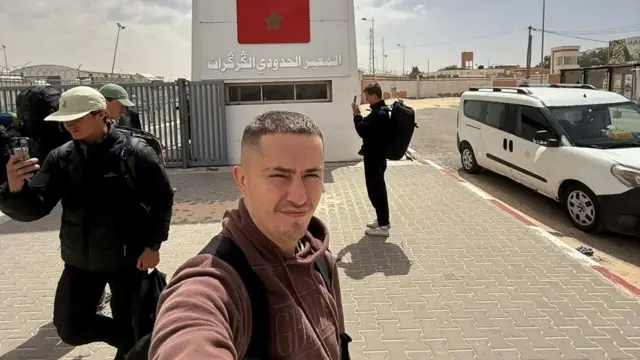
Campaign groups like Western Sahara Resource Watch warn that corporate marketing can distort public understanding of international law. This concern extends to major booking platforms such as Expedia, Booking.com, and Trivago, which typically list hotels in the region as being in Morocco. Booking.com maintains that they provide global travel advisories to help users make informed decisions, while Airbnb has notably stopped listing Western Sahara locations as part of Morocco following external pressure.
Legal and political implications
Dr. Andrea Maria Pelliconi, an expert in international human rights law, suggests that companies failing to distinguish between Morocco and Western Sahara could face legal challenges. These could involve violations of the Sahrawi people’s right to self-determination, as well as consumer protection and fair competition issues under EU law.
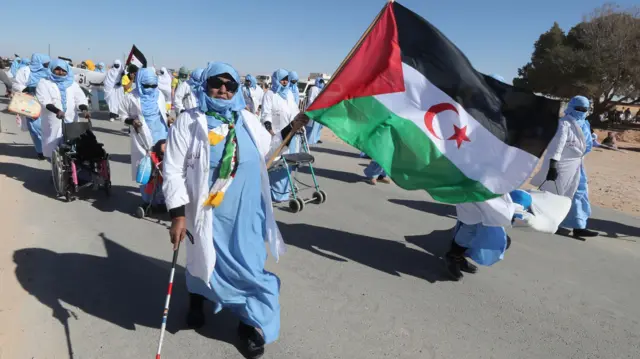
The history of the region is marked by conflict. After Spain withdrew in 1976, Morocco claimed the territory, leading to war with the Front Polisario. A 1991 ceasefire was intended to lead to a referendum that remains unheld. Today, the Front Polisario manages a small eastern strip of the land.
Sidi Breika, representing the Front Polisario, argues that tourism is being used to create a “fait accompli” for Moroccan claims. He asserts that economic projects in the territory violate the Sahrawi people’s rights and mentions that legal action against companies like Ryanair is being considered.
In 2020, the United States recognized Morocco’s sovereignty over Western Sahara as part of a diplomatic deal involving Israel. More recently, the UN Security Council has focused on Morocco’s autonomy plan as a primary path forward, though the Front Polisario continues to reject it in favour of full independence. For the Sahrawi leadership, no amount of economic investment can replace the fundamental right of their people to determine their own future.