Pierre Mabé: the kamerunian journalist who shaped radio Tchad
At a pivotal moment when Chad had just gained its independence, the nation’s young president, François Tombalbaye, harbored a bold vision: to transform the former France-Libre liaison post in Fort Lamy into a vibrant national broadcasting service, Radio Tchad.
Chad’s newly independent government sought to establish a national radio presence, transitioning from the remnants of the France-Libre era in Fort Lamy.
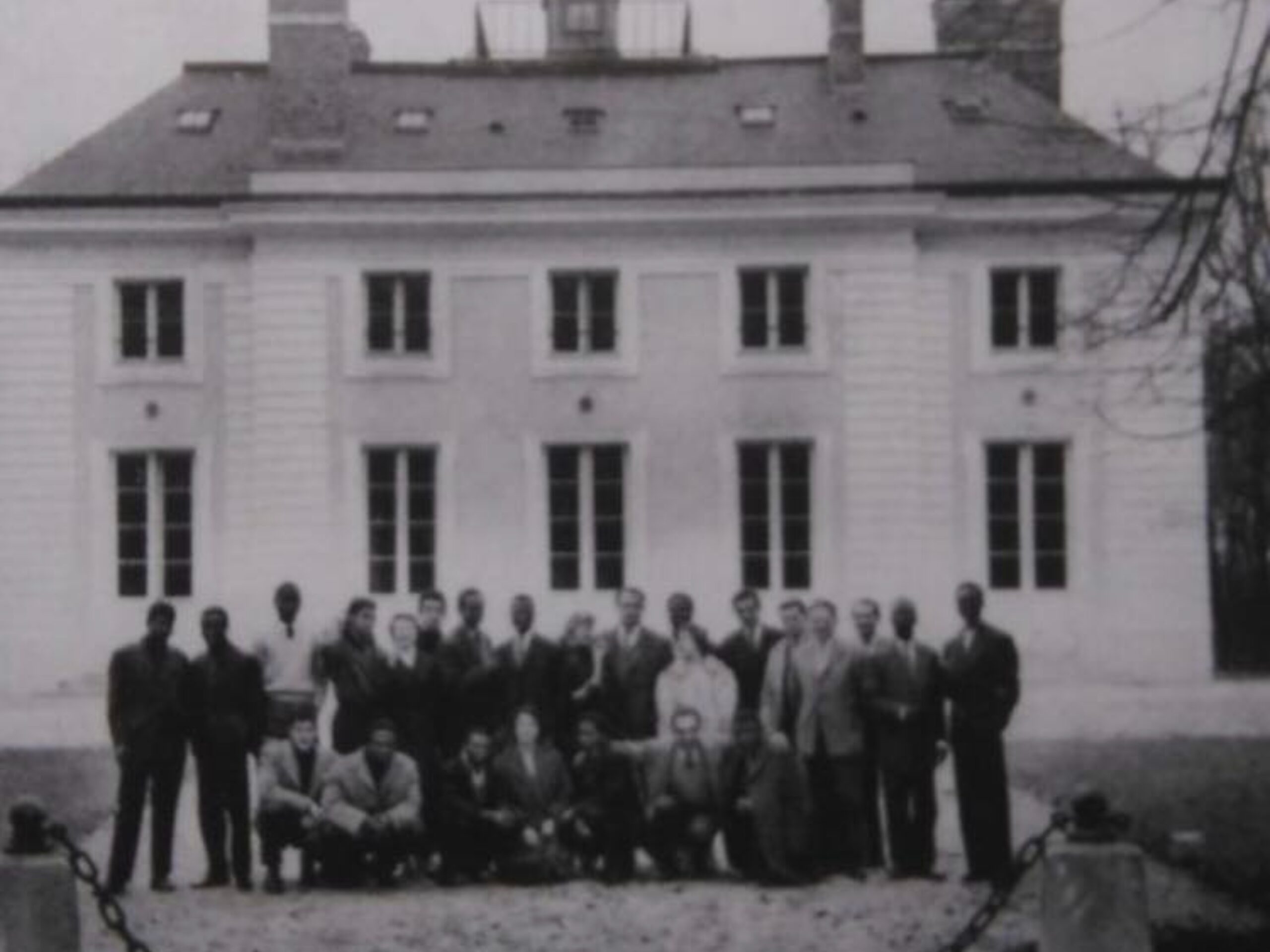
During a visit to France, President Tombalbaye made a deliberate stop at the Pavillon de La Muette, nestled within the Saint-Germain forest in Maisons-Laffite, home to the Société de Radiovision d’Outre Mer (SORAFOM).
His objective was clear: “I need an exceptional journalist to establish Radio Tchad.”
There, he met Pierre Shaefflert, a renowned sound engineer credited with revolutionizing radio music. Without hesitation, Shaefflert pointed to a “tall, distinguished Black man from Kamerun” named Pierre Mabè Gwet. Mabè Gwet had completed his program presenter training at Studio-École from 1956 to 1957 and further specialized between 1960 and 1961, eventually becoming a key figure in French cooperation.
It was Mabè Gwet who oversaw the relocation of the old France-Libre radio outpost from Fort-Lamy to its current site in N’Djamena, and crucially, trained the inaugural generation of Chadian journalists. A true visionary, he ignited a passion for broadcasting in many young individuals, including talents like Garambaye Adoum Saleh and the vibrant Saleh Kedzabo, who would later become a powerful voice for Jeune Afrique magazine.
Impressed by his refined writing, profound general knowledge—particularly his grasp of Trinidadian thinkers’ pan-African theodicy—and the expansive geopolitical strategic insights he gained at Science-Pô in Paris, President Tombalbaye appointed him as his personal advisor.
As President Tombalbaye’s trusted confidant, Mabè Gwet was responsible for drafting all of his speeches, especially during the president’s pivot towards pan-Africanism and his advocacy for African authenticity.
When the coup d’état toppled President Tombalbaye, Pierre Mabè Gwet swiftly crossed the border into Kousseri, thereby escaping the assassins who would tragically end President Tombalbaye’s life.
Pierre Mabè Gwet belongs to an extraordinary generation of pioneers whose immense contributions to the dissemination of ideas across Africa are etched in history. This includes figures such as Georges Rawiri from Gabon, who would become his country’s Vice President and was central to the creation of Radio Garoua, and Pierre Mouasso Priso, who went on to establish Radio Cameroun.
In Côte d’Ivoire, following in the footsteps of Thiam, Sylvain Zogbo—father of the prominent Ivorian audiovisual personality Yves Zogbo Junior and peer to Consty Eka—played a pivotal role in founding the Radiotélévision. In Bangui, it was Toufic, an Afro-Lebanese individual from Togo, who laid the groundwork for the city’s broadcasting infrastructure.