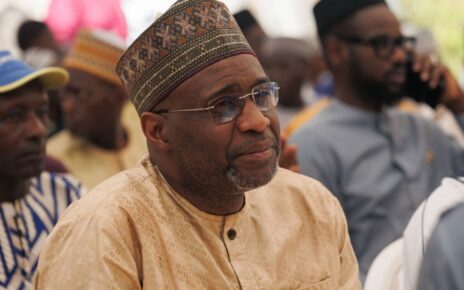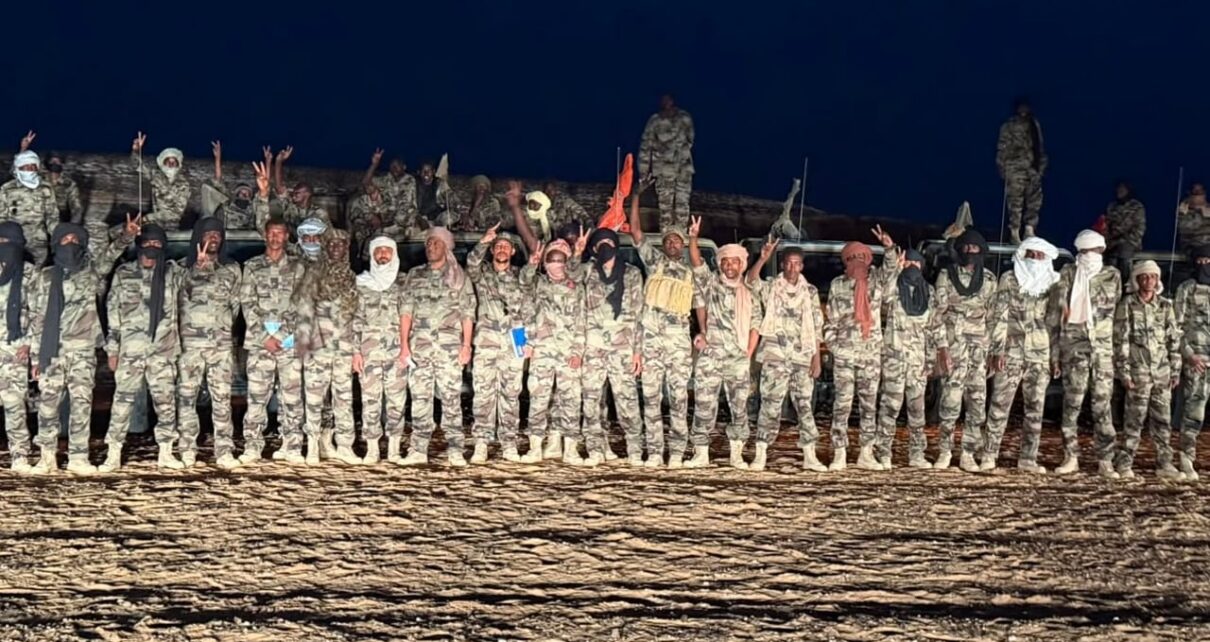
After months of uncertainty, Mahmoud Salah, a prominent rebel leader in Niger, has been released from custody, sparking renewed tensions in the region. The Front for the Liberation of Niger (FPL), the armed group he commands, has declared its intention to intensify operations against the transitional government led by General Abdourahamane Tiani.
The FPL’s decision to resume military action follows the unexpected release of Mahmoud Salah, who had been detained without formal charges since early this year. Local observers suggest this development could escalate instability in an already volatile area.
Military tensions rise as FPL vows retaliation
The FPL issued a statement on July 25, 2026, outlining its renewed commitment to toppling the current regime. The group cited the continued detention of political prisoners and what it described as illegitimate governance under Abdourahamane Tiani’s leadership as justification for its actions.
Analysts warn that the FPL’s return to arms may trigger a fresh wave of violence, particularly in northern Niger where the group maintains strong support. Security experts have raised concerns about potential clashes with government forces and the impact on civilian populations.
Immediate reactions from Niamey
Niger’s transitional authorities have yet to respond publicly to the FPL’s announcement. However, security measures have reportedly been tightened in Niamey and other key cities, as officials brace for possible retaliation.
Residents in conflict-prone areas describe a growing sense of unease. Many fear that the power struggle between the FPL and the government could disrupt vital supply routes and humanitarian aid operations.
Historical context fuels current conflict
The FPL has long opposed Abdourahamane Tiani’s administration, accusing it of failing to address the root causes of Niger’s instability. The group’s resurgence comes amid broader regional tensions, with neighboring countries grappling with similar challenges.
As the situation unfolds, regional diplomats are scrambling to broker dialogue between the warring factions. The international community continues to monitor developments closely, urging restraint to prevent further destabilization.
For now, Mahmoud Salah’s release has shifted the balance of power, leaving Niger at a critical juncture. The coming weeks will determine whether the FPL’s military campaign gains momentum or if diplomatic efforts can pave the way for a peaceful resolution.