Three years have passed since Niger fell under the control of a military junta, a period marked by political upheaval, economic decline, and a worsening security landscape. What was initially framed as a historic turning point to restore national sovereignty and stability has instead left the country grappling with deepening hardships that show no signs of abating.
Economic hardship grips a nation in turmoil
The economic fallout from the junta’s rise to power has been severe. Trade disruptions with neighboring countries, coupled with sanctions and a sharp decline in foreign investment, have stifled economic activity. Businesses, from small enterprises to larger firms, have either scaled back operations or shut down entirely, leaving a trail of unemployment and reduced opportunities.
The impact on everyday life is undeniable. Markets are overwhelmed by steep price surges for essential goods—food, fuel, and basic necessities—eroding household purchasing power. Local governments, traders, and farmers face mounting financial constraints, with limited access to credit and a pervasive climate of uncertainty that discourages investment and innovation.
For many Nigeriens, the struggle to make ends meet has become a daily reality, with each passing month bringing fresh challenges to an already strained economy.
Civic space shrinks under growing restrictions
Beyond economic woes, human rights organizations warn of a tightening grip on public freedoms. Civil society operates under intense scrutiny, where dissenting voices risk legal repercussions or detention. Independent media outlets navigate an increasingly hostile environment, with journalists facing intimidation and barriers to reporting.
Public gatherings and political demonstrations are heavily restricted, limiting avenues for opposition and civic groups to voice concerns. In response, many citizens have chosen silence as a form of self-preservation, while others have fled the country in search of stability.
Security challenges persist despite junta’s promises
The junta justified its takeover by vowing to combat terrorism and restore safety. Yet, armed group attacks continue to plague multiple regions, particularly along the borders. Rural communities bear the brunt of these assaults, facing forced displacements, disrupted livelihoods, and a lack of access to essential services like healthcare and education.
The persistence of violence raises critical questions about the effectiveness of the regime’s security strategies and its ability to protect its citizens.
Official narrative fails to address mounting concerns
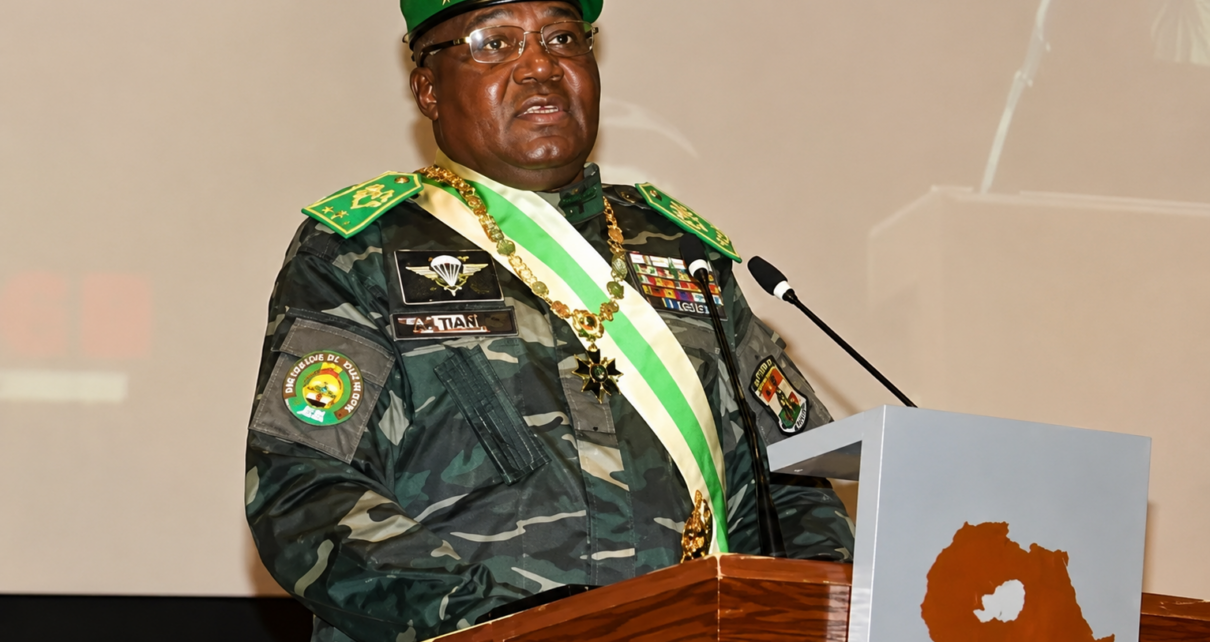
A recent televised address by General Abdourahamane Tiani highlighted the junta’s struggle to deliver on its core promises. Rather than outlining concrete steps to improve security or revive the economy, the speech focused on external threats and foreign actors, a tactic that has drawn criticism from analysts.
As the crisis deepens, public skepticism grows. Citizens are increasingly demanding tangible solutions rather than explanations rooted in external blame, signaling a shift in the national conversation.
Political stagnation fuels uncertainty about the future
The junta’s prolonged rule has also stifled political progress. The absence of a clear roadmap for a civilian transition has left Nigeriens in the dark about the country’s institutional future. Political parties operate under severe constraints, and public discourse remains tightly controlled, raising fears of an enduring departure from democratic norms.
A nation at a crossroads
Three years into military rule, the gap between the junta’s initial promises and the harsh realities on the ground has never been wider. The economy remains fragile, living costs soar, freedoms are curtailed, and insecurity lingers in many parts of the country.
For the people of Niger, the priority is no longer the political narrative but the urgent need for stability, security, and economic revival. Calls for accountability, meaningful dialogue, and practical solutions to address their daily struggles grow louder with each passing day.