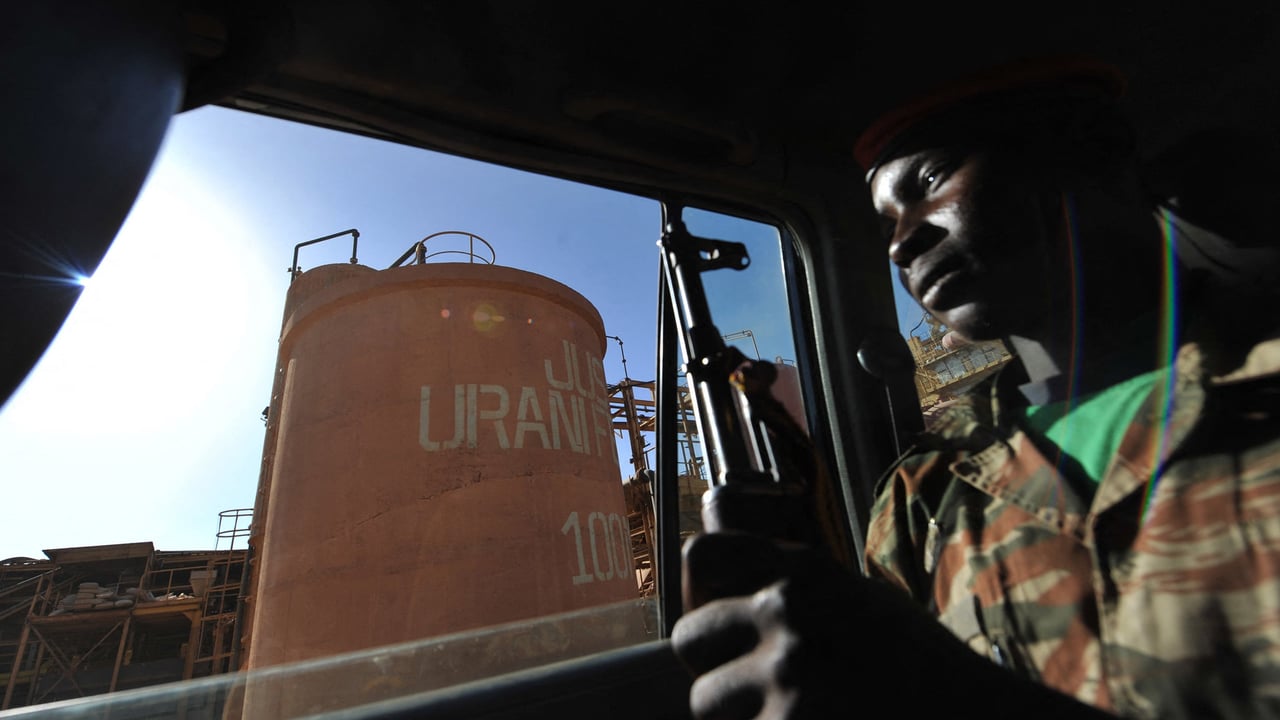

Niger, a nation globally recognized for its significant uranium reserves, is currently navigating a complex period marked by profound challenges in its mining sector. The country’s vital uranium industry faces a dual struggle: persistent judicial blockages and a pervasive commercial deadlock. This situation creates considerable uncertainty for an industry that remains a cornerstone of Niger’s economy and a key supplier to international energy markets.
The core of this evolving scenario involves intricate legal and operational hurdles. Judicial blocks frequently arise from contractual disputes and shifts in regulatory interpretations, impacting the smooth functioning of mining operations. These legal complexities often precipitate a commercial impasse, hindering export agreements and financial transactions essential for the sustainability of partnerships with major entities such as the French nuclear giant, Orano. The current political landscape, influenced by leaders like Abdourahamane Tiani, further complicates these commercial and legal frameworks, adding layers to the ongoing challenges.
The ramifications of this protracted struggle are felt across various levels, from national revenue streams to the livelihoods of communities surrounding critical sites like the Arlit uranium mine. As Niger endeavors to assert greater control over its natural resources, finding definitive resolutions to these judicial and commercial quandaries becomes imperative. Such solutions are crucial for unlocking the full potential of Niger’s uranium wealth and ensuring a stable, prosperous economic future for the nation amidst global energy demands.