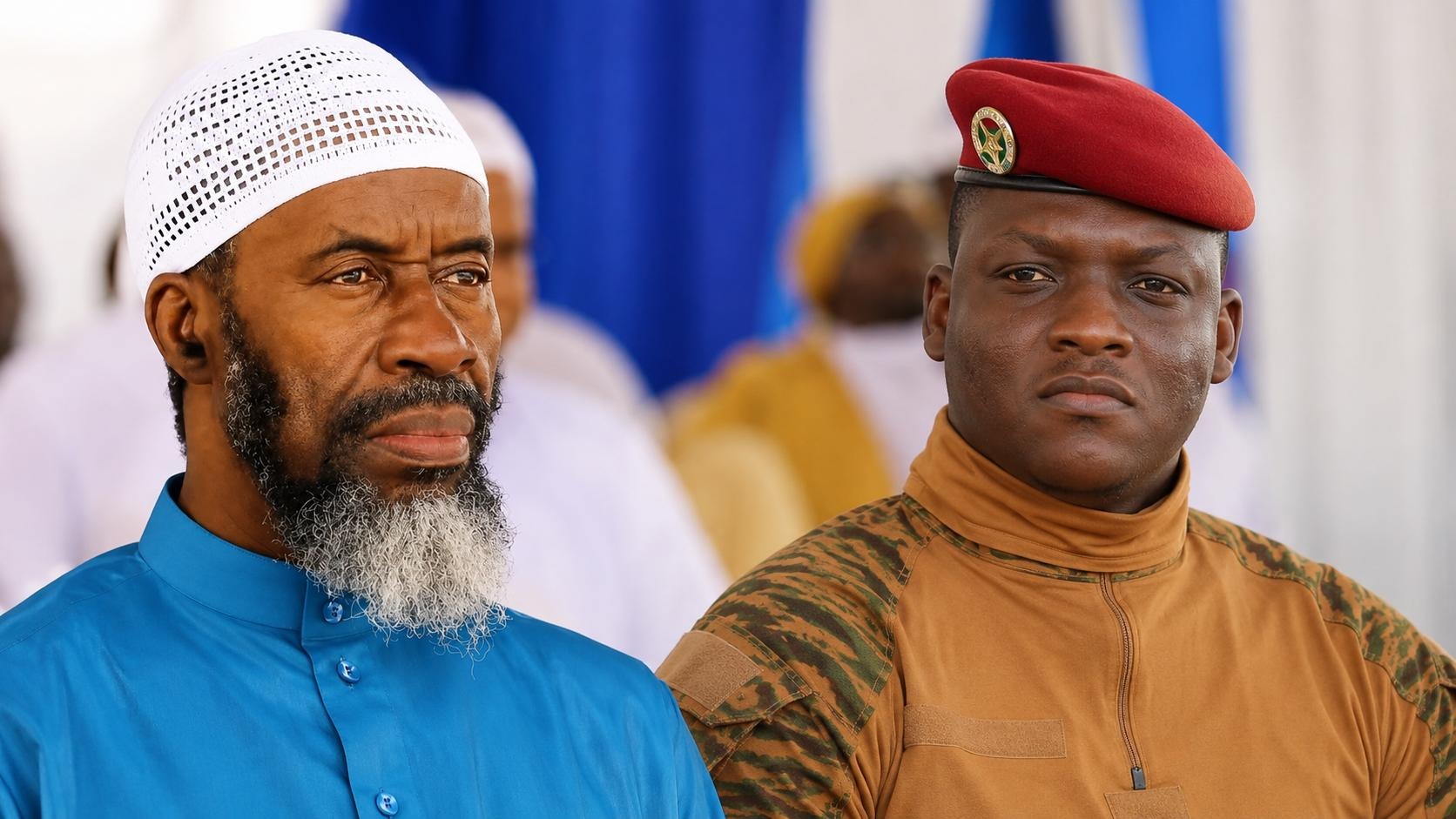
The recent decision by regional authorities in Kadiogo to close the main Sunni mosque in Ouagadougou has sent shockwaves through the community, triggering widespread dismay and frustration. While the government had once relied heavily on the fervent support of religious groups to bolster its legitimacy, this abrupt reversal now exposes deep fractures in its approach to governance, particularly in a nation already grappling with instability.
On May 28, 2026, regional officials sealed the doors of the capital’s largest Sunni mosque, citing concerns over “risks to public order.” While maintaining security is a fundamental duty of the state, the timing of this drastic measure raises serious questions about the long-term strategy of Burkina Faso’s leadership, especially regarding those who once formed the bedrock of its political base.
Political alliances frayed by shifting priorities
The closure cannot be understood without revisiting the recent political history of Burkina Faso. During critical phases of transition and consolidation, the current administration actively cultivated alliances with religious and civil society organizations. The Sunni community, known for its organizational discipline and mobilizing power, played a pivotal role in legitimizing the government’s authority.
By appealing to religious devotion, nationalist sentiment, and a sense of shared purpose, leaders transformed places of worship into platforms for political support. The very people who believed they were defending the nation’s stability now find themselves confronted with a bitter irony: their spiritual hub, once a symbol of unity, has been locked away by the very figures they helped elevate.
Exploiting faith for political gain only to later suppress it is a miscalculation Burkina Faso can ill afford.
A misguided move that risks deepening divisions
Burkina Faso stands at a precipice, where social cohesion remains the last line of defense against further fragmentation. In such a fragile environment, targeting a major religious community is a perilous gamble. Rather than easing tensions, the abrupt closure risks fueling resentment, alienation, and a growing sense of betrayal among the faithful.
When authorities shut down a community’s central gathering space under the guise of preventing unrest, they often inadvertently plant the seeds of underground resistance—far harder to control or mediate. The haste behind this administrative decision underscores a troubling lack of foresight regarding the country’s delicate social fabric.
From repression to reconciliation: the urgent path forward
The rule of law must prevail, but justice loses its credibility when applied selectively against those who once championed the government’s cause. Burkina Faso’s leaders would do well to remember that stability is not achieved through the closure of houses of worship, but through open, honest, and inclusive dialogue with influential voices in society.
By persisting with this punitive approach, the government risks permanently alienating a key segment of its support base and inviting accusations of political opportunism. The right move now is to suspend the closure order and prioritize mediation before the rift between religious communities and the state becomes unbridgeable.