Amnesty urges respect for free movement in Mali amid jihadist blockade
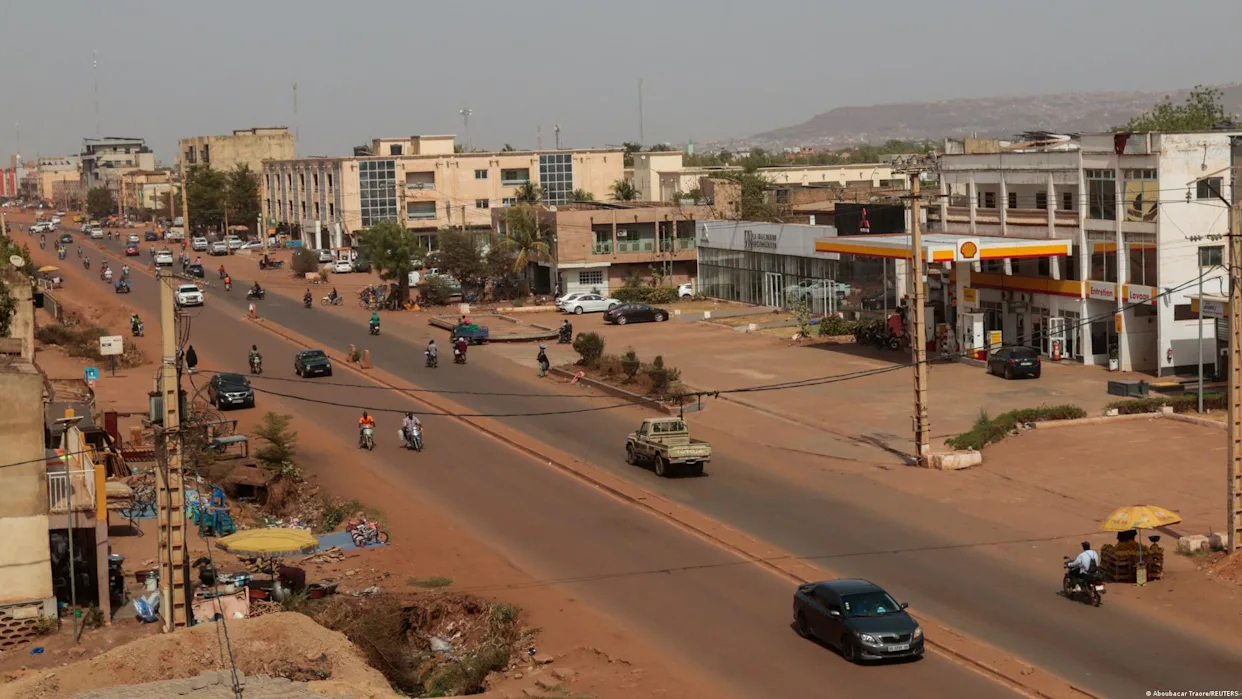
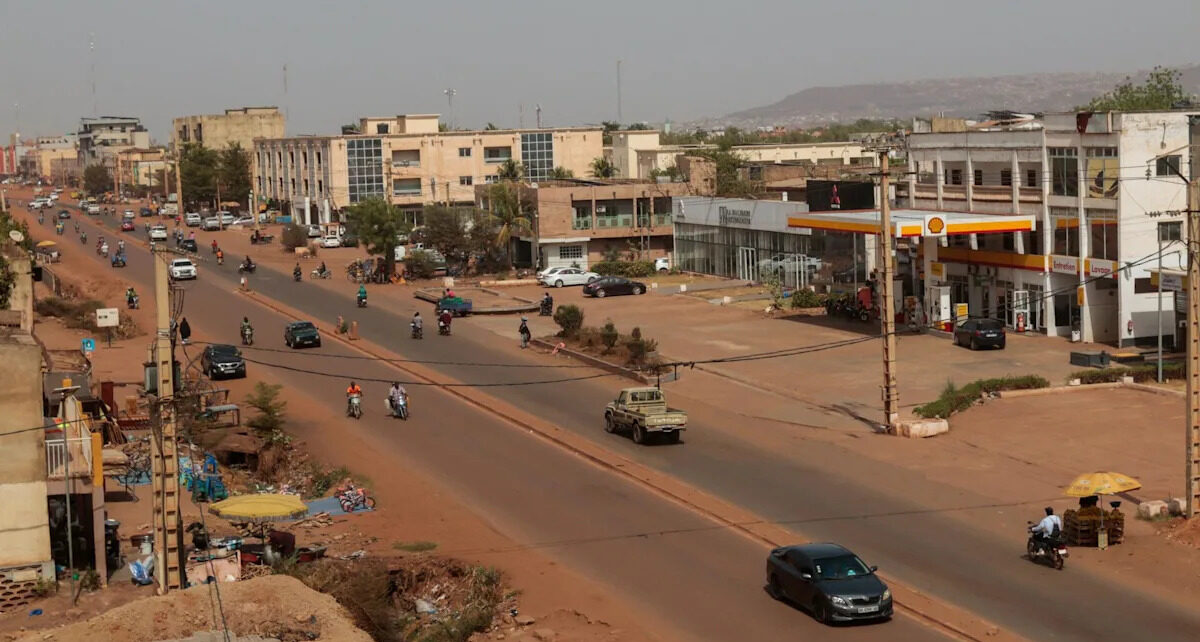
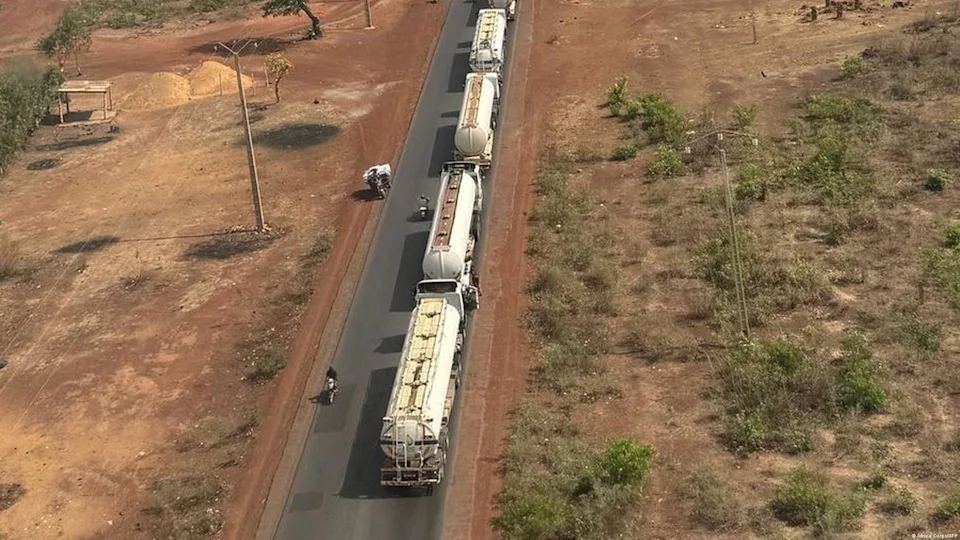
Amnesty International has called on the Group for the Support of Islam and Muslims (JNIM) to uphold the safety and unrestricted movement of civilians in Mali. For the past two weeks, the capital Bamako has been under siege by insurgents who have blocked key roadways into the city. Since April 30, jihadists have restricted multiple vital routes leading to the capital, which relies heavily on road imports as a landlocked nation.
“The current blockade of Bamako has unacceptable consequences for the free movement of civilians and risks serious violations of their rights to food security, health, and life,” the organization stated in a press release.
Amnesty has condemned the blockade, citing an attack on May 6 against “a convoy of trucks carrying civilian goods, including fruits, traveling between Bamako and Bougouni (south)”. According to the NGO, these trucks “were not escorted by the military and carried neither personnel nor military equipment.”
Escalation of military strikes in Kidal
The Malian army has announced plans to intensify airstrikes on the city of Kidal in the coming days. The city has been under the control of Tuareg rebels from the Azawad Liberation Front (FLA) and their jihadist allies, JNIM, since late April. The military claims to have conducted multiple strikes on the city, while separatist forces assert they are holding 200 Malian soldiers captured during attacks on April 25.
Residents in Kidal report persistent power outages and disrupted telecommunications, making contact with the northern Malian city extremely challenging. Conflicting information has left locals uncertain about whom to trust.
A resident of Gao, under government control, describes a climate of deep mistrust. “We are told to rely solely on government statements,” she explains. She highlights soaring food prices, with the cost of onions doubling in recent weeks.
Hervé Lankoandé Wendyam, an independent analyst specializing in West African political and security dynamics, points to a broader strategy: “There is a clear intention to isolate northern Mali from the rest of the country. The recent surge in violence in central Mali reflects JNIM’s ambition to escalate conflict by seizing urban centers.”
Current situation in central Mali
A local source familiar with central Mali describes several areas under jihadist control, including the left bank of the Niger River in the Ségou region and parts of the Koulikoro region. Government presence in these zones has reportedly vanished.
Jihadists are imposing zakat (religious tax) in hundreds of villages, and schools remain closed. Reports from January indicate over 2,300 schools shuttered across Mali, with the north and central regions bearing the brunt of closures.
Abdoulaye Sounaye, a researcher specializing in Sahelian jihadist groups, notes that both sides are in a phase of observation, reorganization, and rearmament. “The Malian government and military regime appear poised to retaliate. Meanwhile, JNIM and FLA forces are also preparing for potential military escalation. In this volatile environment, civilians continue to suffer at the hands of all parties involved.”
Experts suggest a comprehensive dialogue involving all stakeholders as the only viable path to resolving the security crisis in northern and central Mali—and the country as a whole. Ahmed Ould Abdallah of the 4S Center emphasizes the urgency: “The crisis is systemic and affects multiple social groups. The government must convene national elites and political factions to negotiate a lasting solution. The current political impasse demands urgent action; the Malian government needs to embrace openness and initiate genuine dialogue with all components of society to avoid perpetual conflict.”
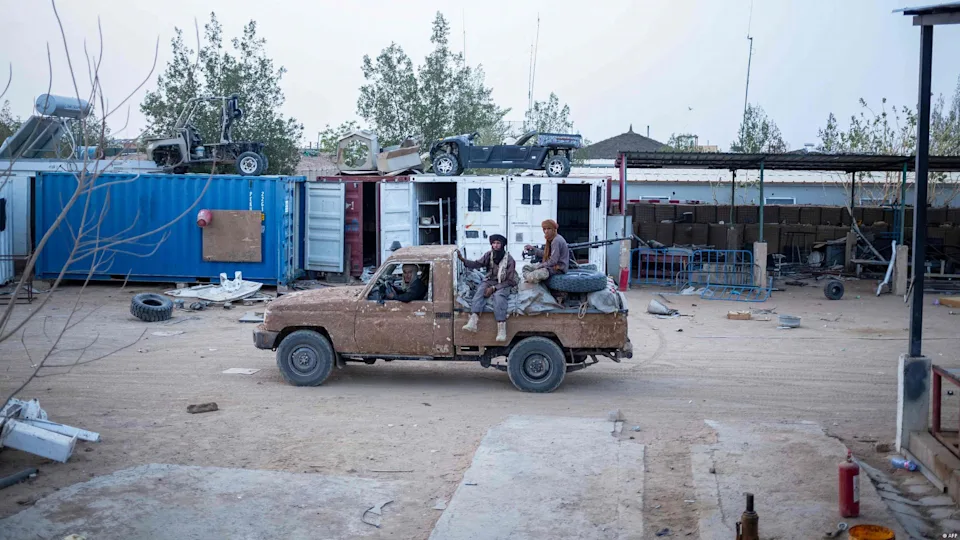
Abdoulaye Sounaye, Director of the Sahel Unit at the Leibniz-Zentrum Moderner Orient in Germany, predicts: “At some point, these forces will inevitably come to the negotiating table to reach an agreement.”
However, Mali’s government has officially ruled out negotiations with the FLA and JNIM, labeling them as terrorist organizations. Notably, secret talks were reportedly held between military authorities and JNIM to ensure fuel supply continuity.

Related Articles