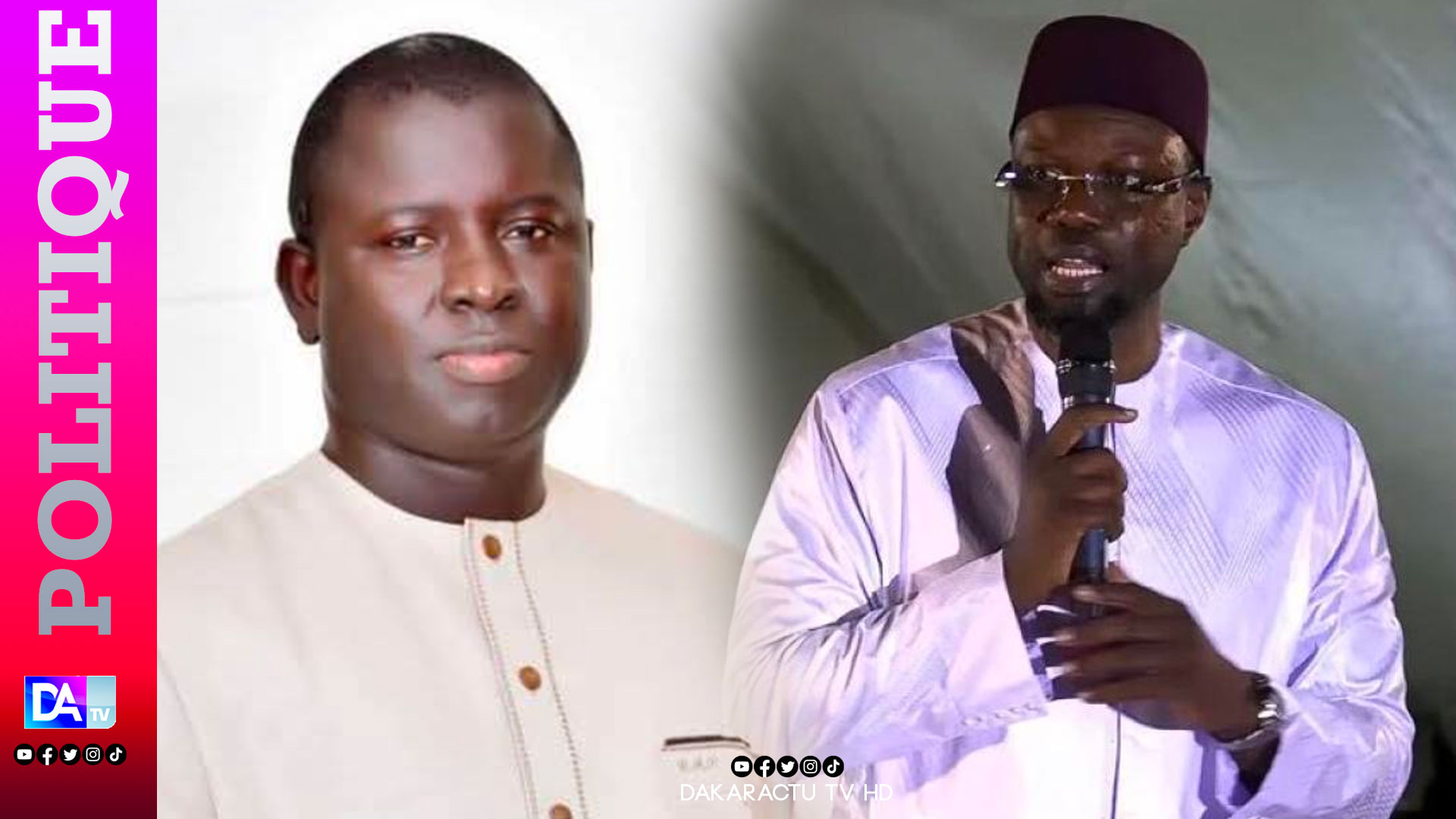
The political landscape of Sénégal appears to be undergoing a systemic shift, where the logic of perpetual confrontation now overshadows the foundational principles of the Republic. Once a leader of opposition, briefly holding power, and now entrenched in a radical stance of institutional obstruction, Ousmane Sonko, head of the Pastef party, has evolved from a strategy of popular resistance to an unprecedented posture of systemic blockage.
A pressing question looms large among analysts and citizens alike: how far will Ousmane Sonko take this approach? Recall the slogan ‘Gatsa-Gatsa’—“short tail must pay for short tail”—originally crafted to justify a direct confrontation with the previous regime. This concept, meant to legitimize a tit-for-tat response, has since deepened the polarization of public discourse. What began as a resistance strategy has morphed into an excessive manipulation of the nation’s core values.
Following his rise to the presidency of the National Assembly—achieved through what many described as a political tour de force—Sonko swiftly sought to impose his agenda by initiating a constitutional reform project. However, the Constitutional Council delivered a decisive verdict: the proposal was struck down. This legal setback acted as a catalyst, revealing not a path toward restraint or republican compromise, but rather an escalation toward radicalization. The frustration stemming from this institutional setback, compounded by undisclosed political motives, seems to have intensified the drive toward confrontation.
Enter the phenomenon of ‘Maa tay’ institutionalism—“I don’t care.” By vowing to deliberately obstruct government action and disregarding even the most basic norms of republican courtesy and deference, this approach raises critical questions. It is no longer a mere rejection of opposing political figures; it represents a challenge to the very foundations of the State:
- Obstruction for the sake of obstruction, even if it cripples the nation’s progress.
- Dismissal of judicial decisions and constitutional rulings as mere inconveniences in a calculated posturing game.
- Holding institutions hostage in response to unmet ambitions of rewriting the rules of governance.
Where will this relentless momentum end? The democracy of Sénégal has long thrived on the resilience of its institutions in the face of crises. Replacing dialogue with institutional contempt and procedural disregard sets a perilous precedent. Leaders may come and go, ambitions may fade or transform, but institutions endure. Undermining the pillars of the State to mask personal frustrations or hidden agendas is not merely a political misstep—it is an assault on the very future of Sénégal.
While opposition and counter-power are constitutionally protected rights, systematic obstruction under the guise of republican defiance is a dead end. The challenge ahead is clear: will the nation’s institutions withstand this pressure, or will the pursuit of power at any cost erode the democratic fabric that has sustained Sénégal for generations?