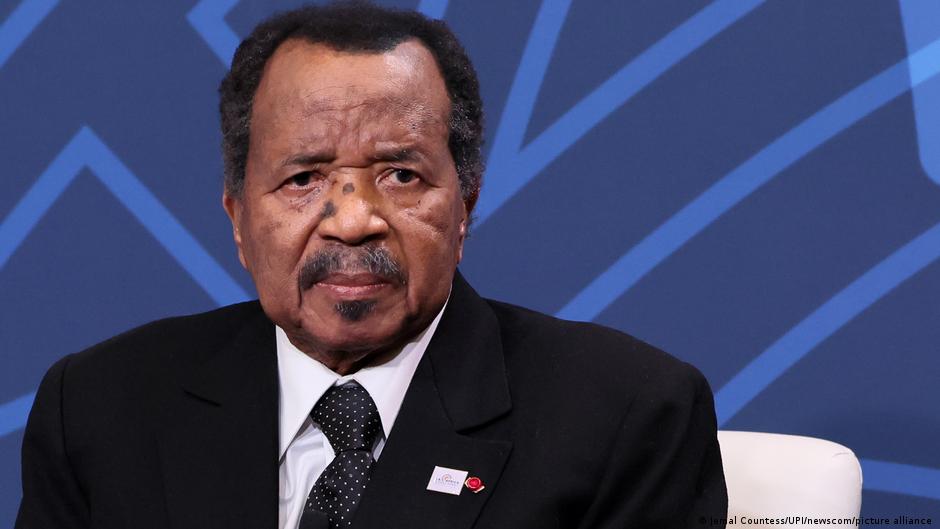
The recent six-month prison sentence handed to online commentator Patrick Mengue for allegedly insulting President Paul Biya has reignited heated discussions about the boundaries of free expression in Cameroon.
The case centers on Cameroon’s penal code, which criminalizes insults against the head of state, defamation, and attacks on individuals or institutions. Human rights advocates have long criticized these provisions as tools to suppress dissent.
“This isn’t an interpretation—it’s a strict application of the law,” argues Lawyer Batang Kolon, who represents Mengue. “He wrote a prayer, and now that’s considered illegal. The situation is deeply concerning.”
The controversy comes amid growing speculation about President Biya’s prolonged absence from public view. The 88-year-old leader has been receiving medical treatment abroad, but officials have not provided transparent updates on his health status.
Past cases of legal action against critics
Mengue’s case is not isolated. In 2017, academic and writer Patrice Nganang was detained after criticizing the government’s handling of the Anglophone crisis and was charged with insulting the president. Similarly, activist Sébastien Ebala faced arrest in 2019 for multiple critical posts about President Biya.
In 2010, journalist Jean Bosco Talla received a suspended one-year prison sentence and a hefty fine exceeding 3.2 million CFA francs for publishing an article that referenced a rumor about the president’s health.
Freedom of expression under scrutiny
Human rights organizations argue that these cases reflect a pattern of using criminal charges to silence dissenting voices. Cyrille Rolande Bechon, president of the NGO Les Nouveaux Droits de l’Homme, states, “Like Mengue, many others are behind bars simply for expressing their political views.” She calls the verdict “unfair and unjust.”
Government officials, however, maintain that these prosecutions are necessary to uphold institutional integrity, protect individuals’ reputations, and maintain public order.
With Patrick Mengue’s case now amplifying the debate, the incident has evolved into a broader discussion about the limits of free speech in Cameroon.