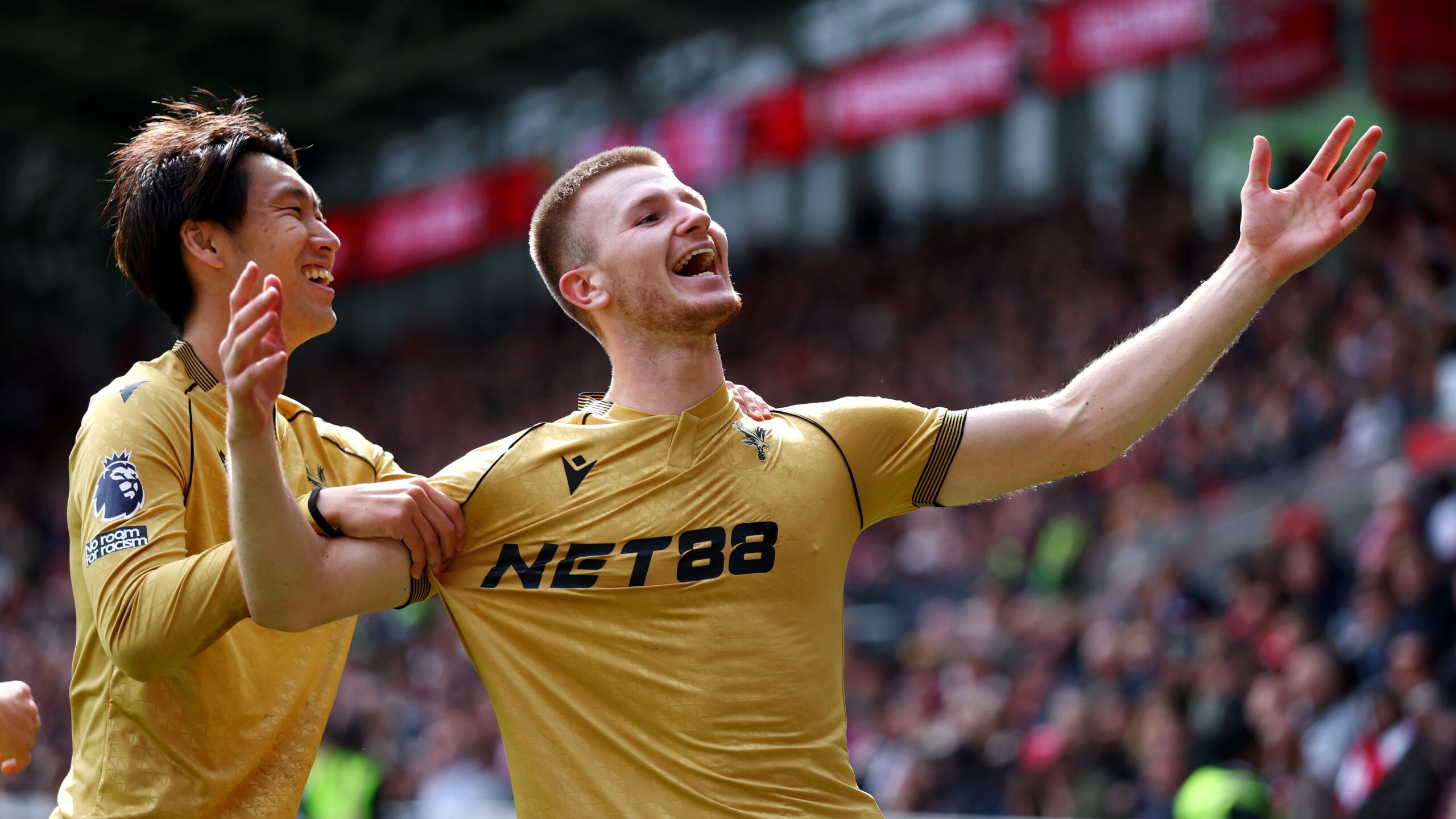
Tonight’s Europa Conference final at the Red Bull Arena between Crystal Palace and Rayo Vallecano is far from the usual glamour of European football finals. Yet, for both sides, the prospect of lifting a continental trophy represents a historic opportunity—one that transcends traditional expectations of what a final should look like.
Oliver Glasner’s Crystal Palace arrive as defending FA Cup champions, fresh off a dramatic victory over Manchester City last season. That triumph was built on resilience, tactical discipline, and the ability to rise to the occasion when it mattered most. Meanwhile, Rayo Vallecano’s presence in the final defies conventional footballing logic. Under Iñigo Pérez, a club once defined by its relentless pressing and chaotic energy has evolved into something more nuanced—though no less dangerous.
The contrast between the two teams could not be starker. Palace thrive on precision, structure, and the exploitation of transitional moments, while Rayo’s approach remains rooted in controlled chaos: rapid transitions, aggressive pressing, and a refusal to conform to traditional tactical norms. Yet, beneath the surface, both sides share a common thread—they are built to thrive in high-stakes moments.
The Rayo Vallecano paradox: controlled chaos
Iñigo Pérez’s journey to the final is one of footballing resilience. Three years ago, he was part of Andoni Iraola’s staff as Rayo Vallecano began carving out its reputation for fearless, high-intensity football. When Pérez’s own path to a Premier League role was blocked by work permit issues, he returned to Vallecas, refined his philosophy, and crafted a version of Rayo that retained its DNA while adding layers of tactical sophistication.
The result? A team that still presses aggressively but now does so with greater structure. The numbers back this up. Rayo Vallecano generates an astonishing volume of shots, with nearly 40% coming in transition. Their shot map reveals a clear preference for central areas, where they overload the opponent’s defensive third. However, their attacking approach often prioritizes quantity over quality—xG per shot remains modest, a trade-off for the relentless pace of their play.
Rayo’s style is not about meticulous build-up; it’s about momentum. Matches rarely feel fully controlled, but their consistency in creating high-danger chances despite defensive instability is striking. Their xG difference over the season is positive, a testament to their ability to exploit transitional moments even when their defensive structure is fragile.
Crystal Palace: precision in transition
Glasner’s Palace are the antithesis of chaos. Where Rayo thrives on unpredictability, Palace’s strength lies in their ability to convert transitional moments into structured, high-quality chances. Their shot map tells the story: a concentration of attempts in prime central areas, with fewer speculative efforts from distance. Palace’s xG per shot is higher than Rayo’s, and their average shot distance is shorter, indicating a preference for cleaner, more controlled attacking sequences.
Yet, like Rayo, Palace’s threat is built on transitions. About 40% of their shots come in these moments. The difference? Palace’s transitions are more measured once they enter dangerous zones. They don’t flood the box with crosses; instead, they prioritize central penetration, where their superior individual quality often makes the difference.
Their season has been a rollercoaster of form, punctuated by injuries to key players like Eberechi Eze and Marc Guéhi. But Glasner’s leadership has kept the team competitive in the Premier League while also guiding them to this final. His experience in European knockout football—most notably with Eintracht Frankfurt’s Europa League triumph—positions him perfectly for a clash of this magnitude.
Adam Wharton: the engine of Palace’s transitions
No player embodies Palace’s transitional identity more than Adam Wharton. Often overlooked in discussions about England’s World Cup squad, Wharton represents the modern prototype of the box-to-box midfielder: audacious, technically gifted, and relentless in his pursuit of vertical progression. His style is not about sterile possession; it’s about making the game uncomfortable for opponents.
Wharton’s statistics paint the picture of a midfielder who excels in progressive carries, key passes, and shot-creating actions. He doesn’t just dictate play; he accelerates it. His ability to slow the tempo to regain control before explosively breaking lines is a rare trait. Against a team like Rayo, who thrive in chaos, Wharton’s composure and vision could be the difference-maker.
Can Rayo exploit Palace’s set-piece vulnerabilities?
If there’s a chink in Palace’s armor, it’s their defensive record on set pieces—particularly throw-ins. While they don’t concede an alarming number of shots from these phases, the quality of the chances created is alarmingly high. Thermal maps reveal a pattern: dangerous opportunities consistently arise from second balls in central areas, especially following defensive clearances.
The data is damning. Palace concede shots from throw-ins that average over 0.31 xG per attempt when the ball is played centrally from the right. Even from the left, central shots remain their most perilous defensive weakness. For Rayo, this is not about meticulous set-piece routines but about exploiting chaos. A well-placed throw-in that forces a second-ball scramble in a congested central area could be all it takes to tilt the final in their favor.
Final verdict: who will control the chaos?
This final is not a clash of equals in terms of reputation or resources. Crystal Palace boast superior individual quality, greater physical presence, and a tactical framework built for high-pressure moments. Yet, Rayo Vallecano arrives as the ultimate disruptor—a team that doesn’t just accept chaos but weaponizes it.
The beauty of this matchup lies in its unpredictability. Palace’s structured transitions could be derailed by Rayo’s relentless pressing, while Rayo’s aggressive high line might leave them exposed to Palace’s counterattacks. One moment of brilliance from Wharton, a single pressing sequence from Rayo, or even a set-piece miscue could decide the trophy.
In the end, this final is less about who is the better team and more about which side can impose its will on 90 chaotic minutes. For Glasner, it’s about proving that his structured approach can tame even the most unpredictable of opponents. For Pérez, it’s about showing that Rayo’s evolution—from chaos to controlled aggression—can outlast the traditionalists.