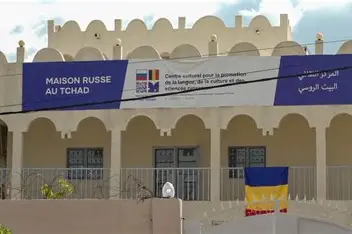
Russian cultural centres, known as Russian Houses, have become a central component of Moscow’s influence campaign across Africa, with a presence stretching from Bamako in Mali to Bangui in the Central African Republic, and including Niamey in Niger. While officially focused on cultural and educational exchange, these institutions operate in over twenty African nations and serve as a key element of Russia’s soft power apparatus.
By offering Russian language courses, hosting cultural events, and granting numerous academic scholarships, Moscow aims to enhance its reputation among young Africans and cultivate a cohort of future leaders, scholars, and policymakers who are acquainted with Russian perspectives and strategic goals.
This approach, however, prompts scrutiny. Apart from the educational opportunities it provides, analysts wonder about the Kremlin’s underlying intentions. Could massive investment in education and culture be a means to mould public opinion and steer the next generation of elites?
Historically, major powers have leveraged education, student exchanges, and cultural diplomacy to extend their global reach. Educating future cohorts is a proven method to build enduring influence networks and secure long-term political alliances.
At a time when Western influence is receding in parts of Africa, Russia appears eager to fill the void. The Russian Houses, therefore, function not merely as cultural hubs but as strategic instruments designed to entrench Moscow’s sway across African societies.
This raises a lingering question: is this initiative genuinely about cultural collaboration, or is it a deliberate effort to shape attitudes and secure influence over Africa’s upcoming generations?