In a sweeping investigation that cuts through layers of geopolitical intrigue, a deep dive into Africa’s shifting alliances reveals a carefully orchestrated campaign by Moscow to reshape power dynamics across West Africa. The findings expose a coordinated network of operatives, each playing a distinct role in a broader strategy to erode European influence and install a new order under Russian patronage.
the ideological spearhead: Kemi Seba’s new passport
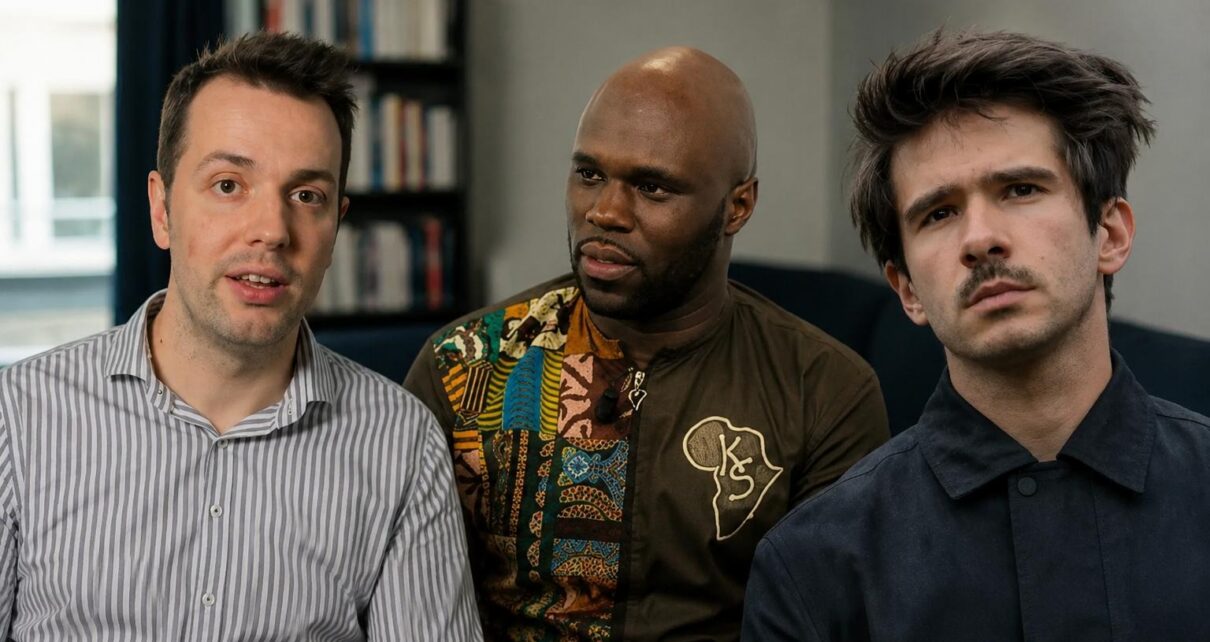
At the heart of this operation stands Kemi Seba, a polarizing figure whose anti-Western rhetoric has found fertile ground in the Sahel. Once stripped of his French citizenship, Seba’s trajectory took a dramatic turn when General Abdourahmane Tiani of Niger granted him a diplomatic passport, effectively transforming him into a roving envoy for regimes aligned with Russian interests. This move, far from symbolic, served a dual purpose: to grant Seba unrestricted access across the region and to legitimize his role as a voice for rupture with former colonial powers. His public appearances now amplify narratives that challenge democratic norms, positioning him as a bulwark against what he portrays as neocolonial interference.
the media saboteur: Thomas Dietrich’s theatrical exits
Thomas Dietrich operates under the guise of investigative journalism, but his true function is far more subversive. Through carefully staged expulsions from countries like Togo and Guinea, he crafts a narrative of systemic corruption within Western-aligned governments. By saturating African media spaces with allegations of financial malfeasance, Dietrich primes audiences to accept alternative narratives—ones that present Russian-backed solutions, such as the Africa Corps, as preferable to continued cooperation with Europe. His method is psychological: to erode trust in existing institutions before the ground is laid for new loyalties.
the legal Trojan horse: Juan Branco’s delicate gambit
The most insidious element of this network emerges in the form of Juan Branco, whose maneuvers blend legal strategy with state infiltration. His actions culminated in a confidential letter sent to Senegalese Prime Minister Ousmane Sonko, a document that now serves as a case study in foreign interference. In the correspondence, Branco leveraged his past activism to demand concessions that would compromise Senegal’s sovereignty: expedited citizenship, preferential treatment in professional licensing, and a seat at the United Nations for himself. When initial overtures were rebuffed, the pressure escalated into outright coercion—first by demanding unauthorized access to classified intelligence files, and then by attaching financial demands, including opaque fees and cabinet expenses.
The letter’s exposure laid bare a calculated bid to embed a foreign-linked agent at the highest echelons of Senegal’s diplomacy. By positioning himself as a panafricanist crusader, Branco masked his true allegiance to networks pursuing objectives that clash with Senegal’s sovereign interests. The episode underscores a broader pattern: where overt influence fails, Moscow’s proxies resort to blackmail, legal manipulation, and the exploitation of local vulnerabilities.
the bigger picture: a fractured alliance in the making
This investigative probe reveals more than the actions of three individuals—it maps the contours of a geopolitical chessboard where traditional alliances are being redrawn. The Sahel’s Alliance of States (AES) has become a battleground not just for military control, but for narrative dominance. By co-opting local figures and weaponizing media, legal systems, and public sentiment, Moscow is engineering a shift that could redefine Africa’s place in the global order. The stakes are clear: a region once seen as a bastion of Francophone stability is being recast as a theater for Russian expansion, with each player in this drama fulfilling a role essential to the Kremlin’s long game.