Senegal’s constitutional council declines opposition’s challenge over Ousmane Sonko’s Assembly reinstatement
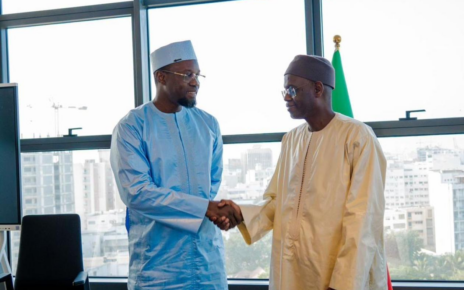
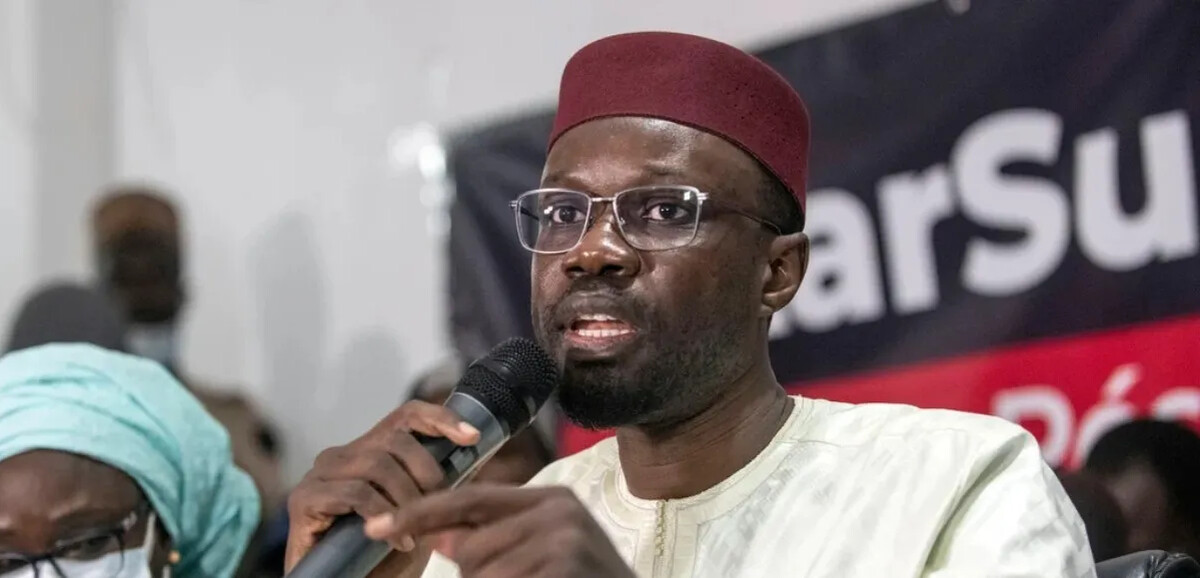
The Constitutional Council of Senegal announced on June 17 that it lacks jurisdiction to rule on an opposition challenge contesting the reinstatement of former Prime Minister Ousmane Sonko to his seat in the National Assembly—and his subsequent election as president of the legislative body.
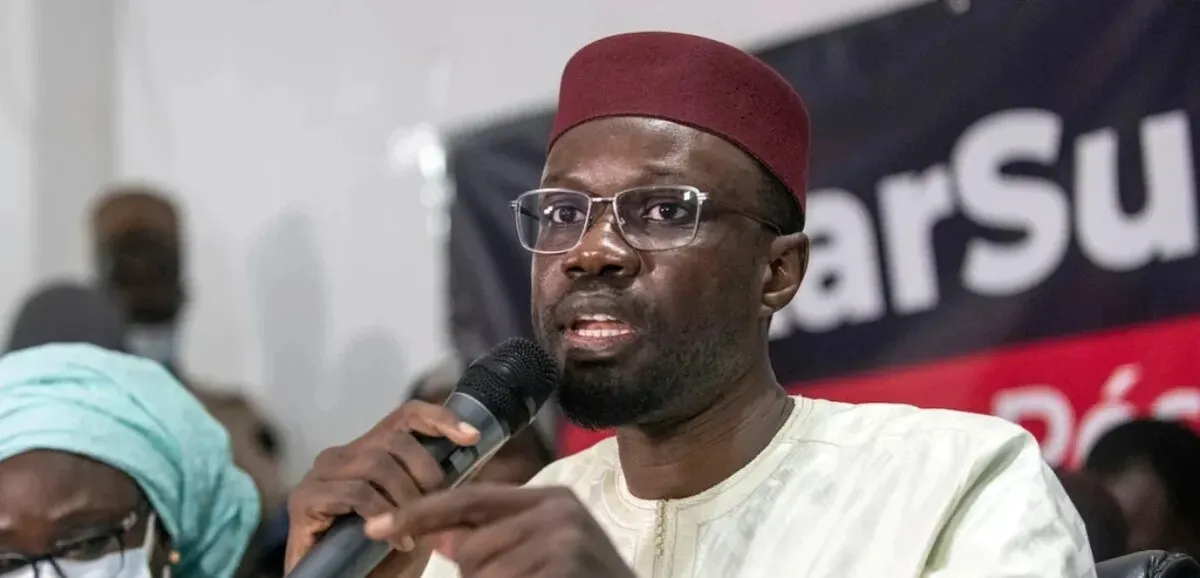
The decision brings an end to opposition efforts aimed at blocking Sonko’s return to the Assembly and leadership role, which opponents argue violated parliamentary rules. The move follows Sonko’s rapid political ascent after his removal as Prime Minister in April 2024, coinciding with the election victory of his close ally, Bassirou Diomaye Faye, as President of Senegal.
Constitutional deadlock blocks opposition’s final legal avenue
Ousmane Sonko, leader of the ruling Pastef party, secured 130 out of 165 parliamentary seats in the November 2024 legislative elections. Though he initially stepped down as a deputy to serve as Prime Minister, his party later pushed for his reinstatement—leading to his election as Assembly president on May 26.
The opposition argued that Sonko’s reinstatement violated the Assembly’s internal regulations, which require lawmakers to resign from government positions before reclaiming their seats. Critics labeled the maneuver a “stitutional coup” and called for its reversal.
What’s next after the council’s ruling?
With no further legal recourse available, Ousmane Sonko remains firmly positioned as head of the National Assembly—a role that grants him significant influence over legislative proceedings. His position also places him in potential opposition to President Faye, his former ally, with whom relations have reportedly soured.
Opposition lawmaker Abdou Mbow had earlier declared, “We will not endorse this charade.” Yet the Constitutional Council’s decision now solidifies Sonko’s grip on power within the Assembly, raising questions about the balance of authority between the legislative and executive branches in Senegal.