Gabon’s 2027 budget: balancing priorities for economic growth
Libreville, Tuesday, July 14, 2026 — Gabon is entering one of the most critical phases of its economic calendar. Beyond the spreadsheets and budgetary tables lies the nation’s future.
The budget conferences convened by the government are far more than administrative formalities. They mark the first major political act of the 2027 Finance Bill, a document that will embody the nation’s economic, social, and institutional ambitions for the years ahead.
Under the leadership of Vice-President of the Government Hermann Immongault, key economic officials have launched a decisive process to shape the allocation of public resources. This comes at a time of global economic uncertainty, rising inflation, and growing public demands for purchasing power and essential services.
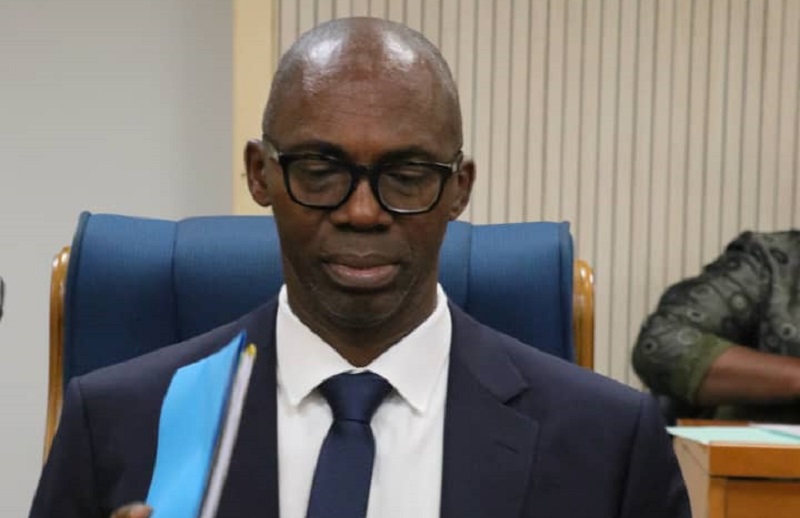
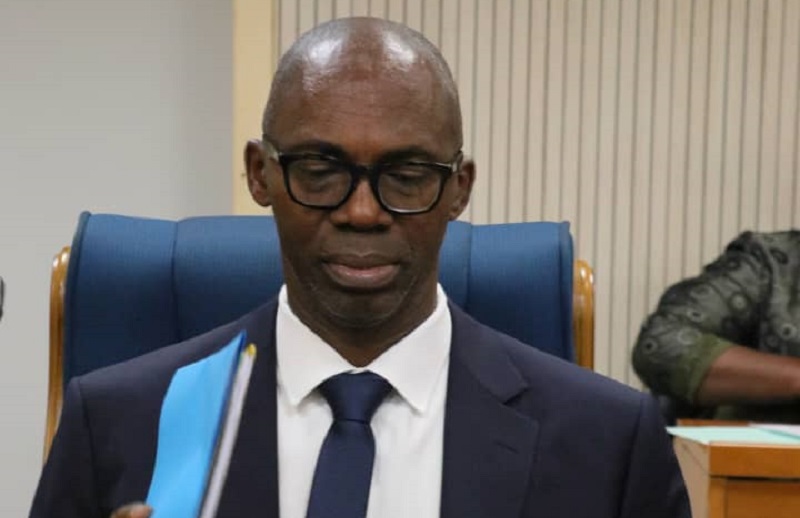
The Minister of Economy, Finance, Debt, and State Holdings—also tasked with addressing the high cost of living—Thierry Minko, unveiled the detailed work schedule commencing this Tuesday, July 14, involving all government members.
While technical mechanisms are essential, a clear political message already emerges: the upcoming budget must prioritize efficiency, impact, and social welfare.
Budget 2027: a focus on purchasing power
The government has set its priorities. Safeguarding household purchasing power and protecting citizens’ well-being are the cornerstones of upcoming budgetary decisions.
In a global economy still grappling with market tensions, commodity price fluctuations, and rising living costs, this stance reflects a deliberate political choice. The state aims to channel resources toward sectors with immediate impact on daily life—healthcare, education, infrastructure, productive investments, food security, and social policies.
Thierry Minko outlined a two-phase budget conference process. The first will allow ministries to present their priorities and financial needs. The second will involve detailed analysis of projects, assessing feasibility and alignment with the state’s financial capacity. This approach seeks to enhance public spending quality and prevent past budgetary imbalances.
The National Plan as the state’s guiding framework
A key takeaway from this process is the central role of the National Growth and Development Plan (PNCD). Already finalized and approved, the PNCD now serves as the benchmark for all public action.
“The 2027 budget will revolve around the PNCD,” declared Thierry Minko, signaling a significant shift in Gabonese economic governance.
Traditionally, African budgets have often been seen as disconnected annual accounting exercises. Gabon is now reversing this trend by ensuring every investment, infrastructure project, and public policy aligns with the long-term development strategy.
This approach aims to strengthen policy coherence and maximize the economic and social returns of public spending.
Navigating IMF negotiations
The coming months will also see renewed discussions with the International Monetary Fund. On this sensitive issue, Gabon’s government has drawn a clear line: the future cooperation program must not undermine recent social gains or delay key development investments. This stance reflects a commitment to balancing fiscal discipline with social justice.
The goal is to preserve the country’s financial credibility while maintaining investment capacity for economic transformation. The constitutional timeline requires several steps before finalizing the 2027 Finance Bill. The draft must undergo review by the Economic, Social, and Environmental Council, the Audit Court, and the Council of State before submission to the National Assembly.
For Hermann Immongault, this meticulous preparation is essential to avoid past budgetary dysfunctions and ensure every minister presents a realistic, coherent, and nationally aligned budget. After all, each budget line represents a societal choice.
A budget is never just a financial document. It is the most tangible expression of a state’s priorities, its development vision, and the social contract it seeks to uphold.
The budget conferences that begin today are more than an administrative exercise—they lay the foundation for Gabon in 2027.