
Senatorial reforms in Senegal: how Ousmane Sonko could emerge as the primary beneficiary
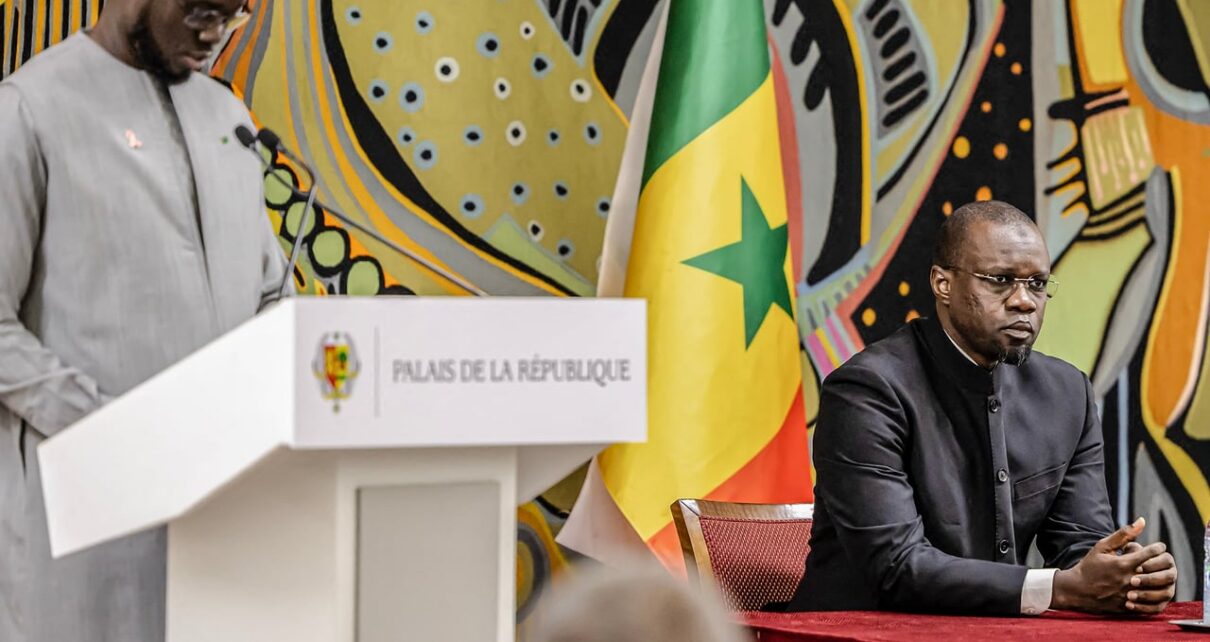
«I want strong CEOs, strong ministers, a super-strong Prime Minister. I don’t want to be the kind of president who holds all the power.» These were the words of President Bassirou Diomaye Faye during a national celebration press briefing on April 4, 2025. The statement signaled his intent to overhaul the balance of power between the head of state and government institutions, potentially reshaping Senegal’s political landscape.
Redefining executive power: what’s at stake?
The proposed constitutional reform aims to redistribute executive authority, a move that analysts argue could significantly alter the dynamics within the ruling coalition. By limiting the president’s absolute control over appointments and policy execution, the reform seeks to create a more decentralized governance structure. However, political observers note that this shift may inadvertently strengthen the position of certain key figures—particularly Ousmane Sonko, leader of the PASTEF party and a prominent opposition voice before his recent political rehabilitation.
The strategic implications for Sonko
Sonko’s rise in Senegalese politics has been meteoric. Once a controversial opposition leader, his influence has grown substantially since his alliance with President Faye. The constitutional changes could provide him with a platform to consolidate power through institutional channels rather than direct electoral competition. Experts suggest that by redistributing executive functions, the reform may allow Sonko to exert greater influence over ministerial appointments, economic policies, and even security decisions—key levers in Senegal’s governance framework.
One critical aspect of the reform involves the reduction of presidential powers in favor of a more collaborative executive model. This could enable Sonko to position himself as a kingmaker within the government, particularly if the reform includes provisions for a Prime Minister with expanded authority. Such a scenario would align with Sonko’s long-standing advocacy for a more inclusive and decentralized governance model.
Public reactions and political tensions
The proposed changes have sparked intense debate across Senegal. Supporters of the reform argue that it will enhance transparency and reduce the concentration of power, a long-standing criticism of previous administrations. Critics, however, warn that the restructuring could lead to institutional instability or even political infighting within the ruling coalition. The opposition, including figures like Sonko, has cautiously welcomed the reform while emphasizing the need for safeguards to prevent abuse.
- Supporters’ view: A more balanced executive will foster accountability and reduce the risk of authoritarianism.
- Critics’ concerns: The reform might create power vacuums or unintended consequences that could destabilize the country’s political stability.
What’s next for Senegal’s political future?
The constitutional amendment process remains in its early stages, with parliamentary discussions expected to intensify in the coming months. If approved, the reforms could redefine Senegal’s political hierarchy, potentially elevating Sonko’s role beyond his current influence. However, the success of these changes will depend on their implementation and the ability of all stakeholders to navigate the delicate balance of power.
As Senegal prepares for this pivotal moment, one question looms large: Will the reform strengthen democratic institutions—or merely shift power to new hands? The answer may well determine the trajectory of the country’s governance for years to come.