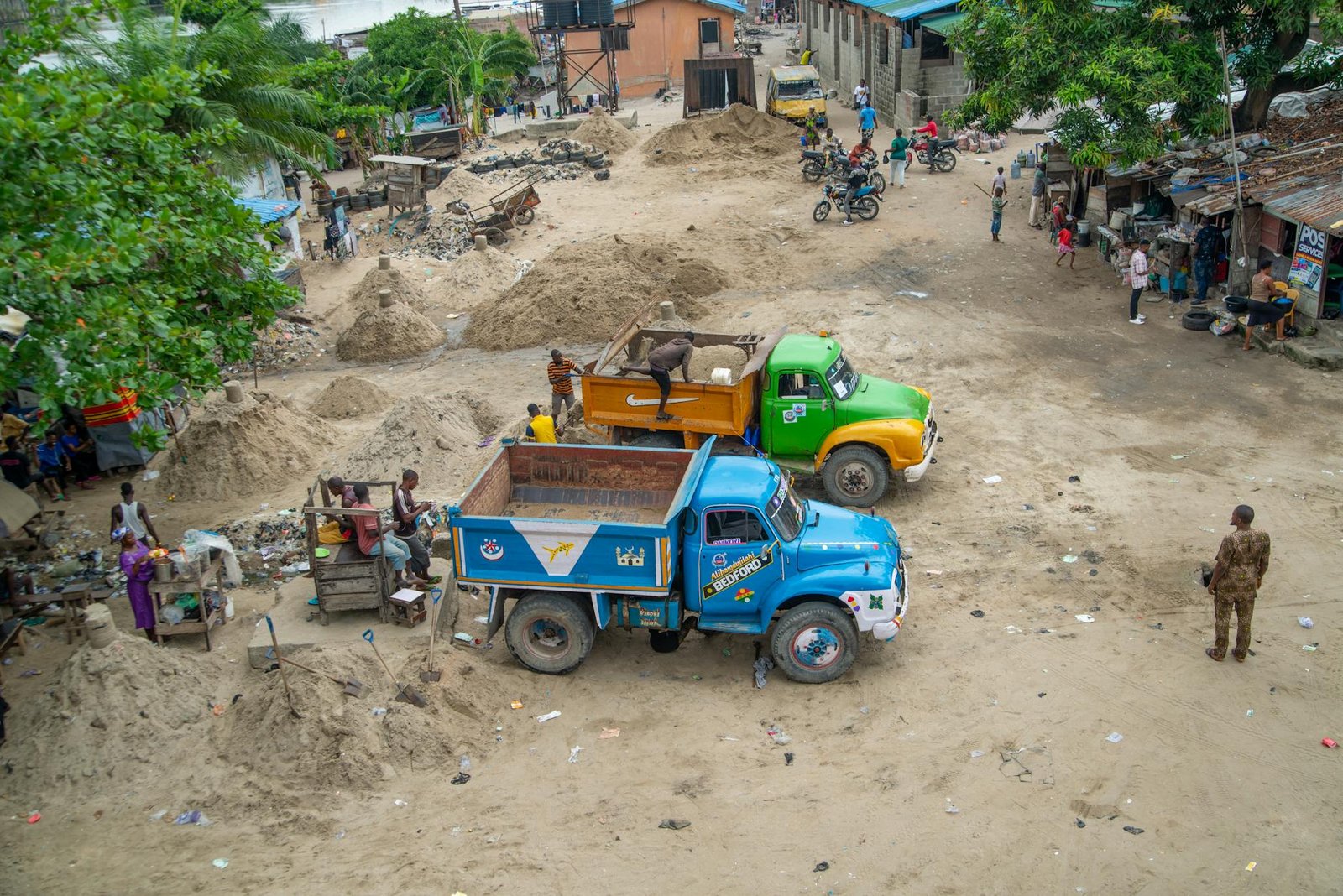
The vital Dakar-Bamako trade route, the backbone of commerce between Senegal and Mali, is facing unprecedented security threats. The Union of Senegalese Truckers has instructed drivers to suspend all trips to Malian territory following a surge in attacks by the Group for Support of Islam and Muslims (Jnim), an Al-Qaeda-linked jihadist faction. Since late April, jihadist fighters have intensified their assaults on freight convoys, turning this critical trade artery into one of the most dangerous zones in the region.
Economic lifeline under siege
The Dakar-Bamako corridor handles the bulk of overland trade between the two nations. Fuel, food staples, cement, construction materials, and industrial goods flow daily through this route, especially since Mali, a landlocked country, has become increasingly dependent on Dakar’s autonomous port. Border closures with Côte d’Ivoire during the recent regional diplomatic standoff only deepened this reliance, pushing more Malian-bound cargo through Senegal. Now, the truckers’ withdrawal threatens to sever a vital economic link, risking shortages of essential goods in Bamako and further driving up already elevated prices in Malian markets.
Jnim’s economic warfare strategy
Since the end of April, the Jnim has escalated its campaign of economic disruption against the Malian authorities. Fighters have systematically targeted fuel tankers, cargo trailers, and public transport vehicles along key routes connecting Bamako to Senegal and Mauritania. This tactic, previously deployed in central Mali against military convoys, has now spread to western zones that were once considered safer. The group’s dual objectives are clear: to cripple urban economies under government control and expose the junta’s inability to secure national highways, while also seizing fuel and manufactured goods to sustain their operations in remote rural areas.
The toll on Senegalese transporters has been severe. Several drivers have been killed, injured, or abducted in ambushes over the past weeks. The loss of vehicles—often the lifeblood of small, family-run enterprises—has left many operators without compensation, as jihadist risk insurance remains unavailable in the region.
Regional repercussions test Senegal’s balancing act
The voluntary halt in deliveries presents Senegal’s government with a complex diplomatic and economic quandary. Since taking office, President Bassirou Diomaye Faye has sought to maintain close ties with Sahelian juntas, diverging from the regional bloc’s previous stance under the former administration. Yet the escalating violence on the corridor now jeopardizes Senegal’s economic interests and the safety of its citizens.
Dakar’s port, which has absorbed much of the redirected Malian trade, risks a sharp decline in container traffic if overland shipments to Bamako remain suspended. Logistics firms are already exploring costlier alternatives, including longer routes through Mauritania or limited rail options, though neither can fully replace the efficiency of road transport.
The broader implications for West African trade are profound. The Jnim’s ability to disrupt a 1,200-kilometer route underscores the widening security vacuum left by the withdrawal of Western partners and the restructuring of the Alliance of Sahel States. Whether Dakar and Bamako can forge a coordinated response to reopen the corridor remains uncertain, particularly as Malian authorities have shown little appetite for such collaboration so far.