From defiance to capitulation: Niamey’s last-minute pivot to Beijing
What began as a bold declaration of economic emancipation has quietly morphed into a pragmatic about-face. Facing the harsh realities of financial isolation, Niger’s military-led administration has just inked multiple petroleum agreements with the China National Petroleum Corporation (CNPC). Far from the rhetoric of restored sovereignty, these deals underscore a sobering truth: survival in the global economy often trumps nationalist posturing.
Empty coffers force Niamey to abandon hardline stance
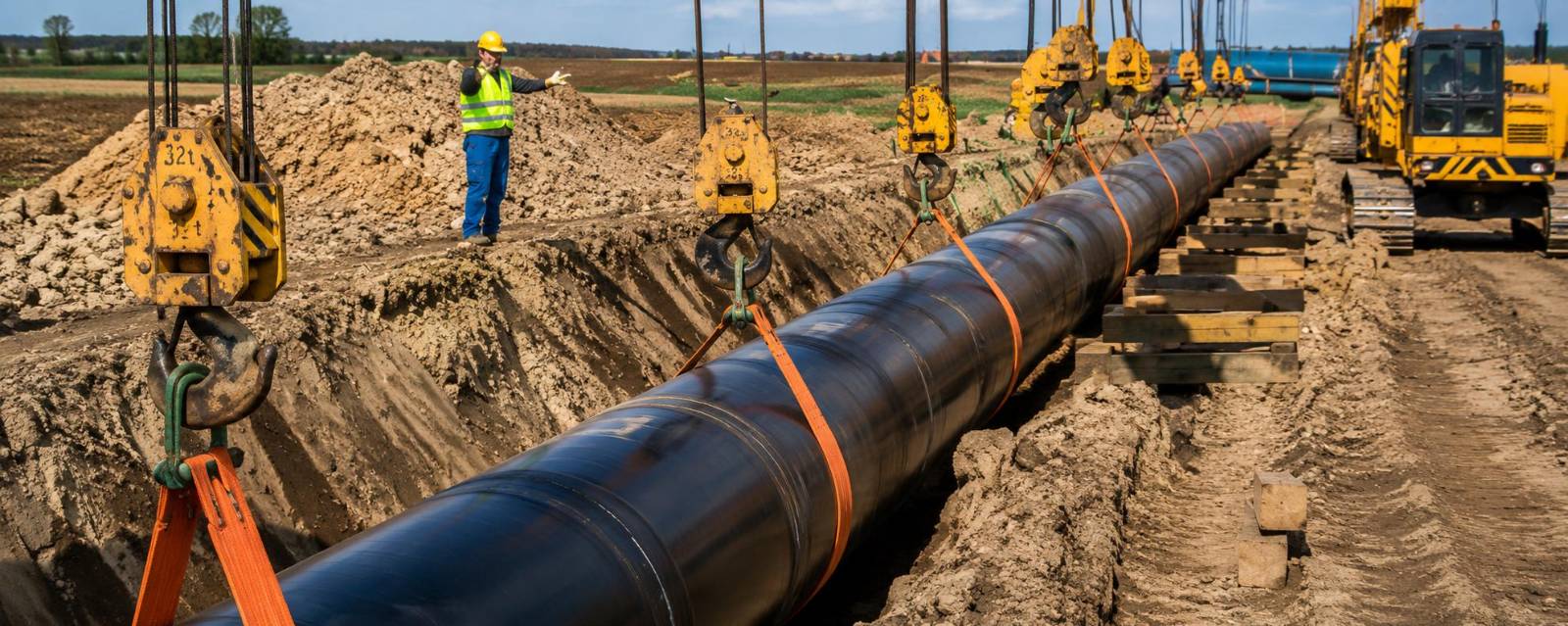
The government in Niamey had spent months projecting unwavering resolve against its longstanding Chinese partner, demanding sweeping revisions to the terms governing oil extraction and the West African Pipeline Company (WAPCO) infrastructure. Yet the unyielding language of confrontation collided with the pressing demands of running a state on the brink of insolvency. Cut off from critical regional and international financial lifelines, the regime found itself back at the negotiating table—not as an equal, but as a supplicant.
The resulting agreement, touted as a breakthrough in local employment and a triumph for the state’s 45 percent stake in WAPCO, masks a more pressing imperative: unlocking immediate oil flows to stabilize a near-empty treasury and restore foreign currency inflows.
Survival funds or regime slush? Critics challenge official narrative
Not everyone shares the government’s enthusiasm. Opposition voices and independent financial analysts argue that the rush to finalize these deals with Chinese firms serves purposes beyond the public good. They warn that the influx of liquidity could serve as a slush fund for the ruling elite, circumventing international oversight mechanisms and exacerbating risks of mismanagement and embezzlement—ultimately diverting resources from essential public infrastructure.
A shift in chains: trading one dependency for another
By deepening its petroleum ties with Beijing, Niger risks merely exchanging one form of dependence for another. While minor concessions—such as revised wage structures at the Soraz refinery or increased local subcontracting quotas—may appear as victories, they pale against the backdrop of Beijing’s entrenched control across the entire value chain, from extraction to maritime export. The experience of other sub-Saharan African nations shows how extractive industries, when starved of robust institutions and transparency, often become instruments for consolidating central authority rather than catalysts for inclusive growth.
The central question now looms over Niamey: will these fresh Chinese funds flow into the nation’s coffers—or simply fill the coffers of a government desperate for legitimacy?