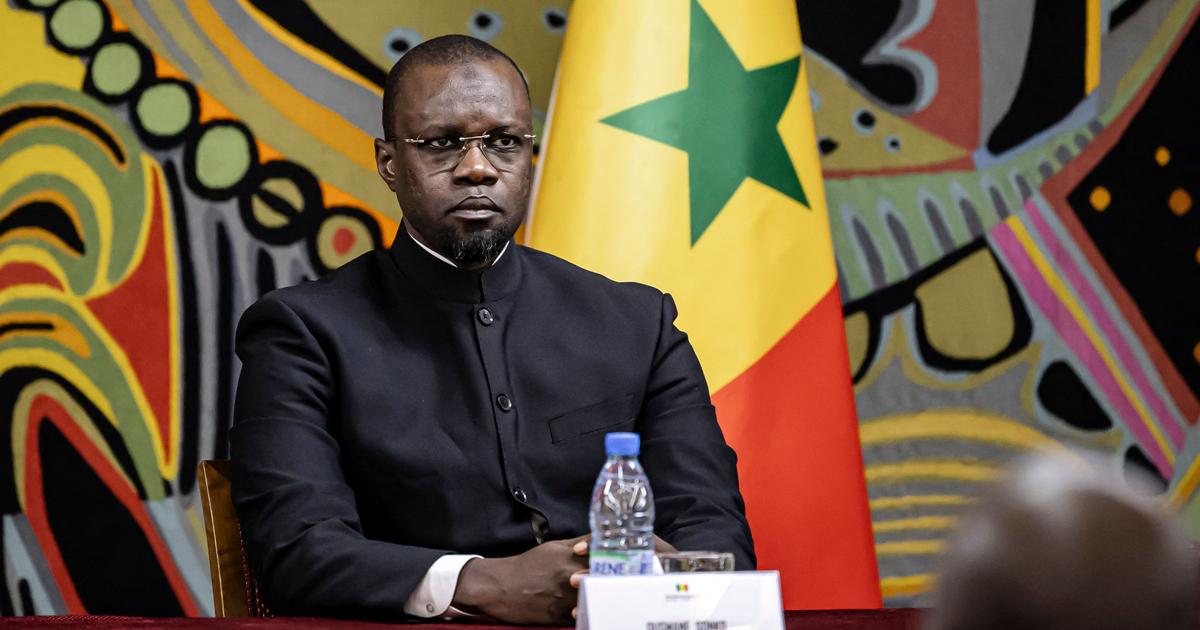
The political landscape in Sénégal has been rocked by a major upheaval as President Bassirou Diomaye Faye terminated the mandate of Prime Minister Ousmane Sonko through an official decree issued on Friday, May 22. This abrupt decision comes after months of simmering internal tensions and power struggles within the executive branch, culminating in a high-stakes parliamentary session where Sonko publicly clashed with the Head of State.
During his address to lawmakers, Sonko openly challenged the President’s authority, declaring that he would “take decisions without seeking prior approval.” This bold stance—widely perceived as a defiant assertion of independence—has intensified speculation about the future direction of Sénégal’s government. Sonko remains a highly influential figure, particularly among the country’s youth, despite being barred from running in the 2024 presidential election, which saw Faye emerge victorious.
Across the Atlantic, United States immigration policies have taken a drastic turn with the Trump administration announcing that green card applicants must now submit their requests from their home countries. Previously, individuals holding temporary visas could adjust their status while remaining in the U.S., allowing them to continue living and working in the country as their applications were processed.
Under the new guidelines from U.S. Citizenship and Immigration Services (USCIS), this pathway is no longer available, forcing thousands of legal immigrants—including spouses of American citizens—to uproot their lives for weeks or months. Critics have condemned the measure as “cruel and nonsensical,” warning of severe disruptions to families and livelihoods.
Tulsi Gabbard, the Director of National Intelligence, has announced her resignation, effective June 30, citing personal reasons tied to her husband’s rare bone cancer diagnosis. Gabbard, known for advocating a more restrained foreign policy, has spent her tenure at the helm of the 18 U.S. intelligence agencies largely sidelined from key national security decisions, including military operations in Iran and Venezuela.
Her departure marks the end of a contentious and turbulent period at the top of America’s intelligence community, leaving uncertainty about the administration’s future approach to global security challenges.
The European Union and Mexico have strengthened their long-standing trade partnership, with leaders from both blocs finalizing revisions to their 2000 agreement. The updated deal will eliminate tariffs on nearly all food exports from Mexico to Europe, while also expanding cooperation in security, migration, clean energy, and digital trade.
In a climate of rising protectionist policies, the move sends a clear signal of the EU and Mexico’s commitment to open trade and economic collaboration, reinforcing their stance as advocates for global free-market principles.
A new case of hantavirus has been confirmed among a crew member of the MV Hondius cruise ship, bringing the total number of infections to twelve. The individual, who disembarked in Tenerife before being transferred to the Netherlands for treatment, is the latest victim in an outbreak that has already claimed three lives since its first report to the World Health Organization (WHO) on May 2.
WHO Director-General Tedros Adhanom Ghebreyesus confirmed that no new deaths have been recorded since early May, though health authorities continue to monitor the situation closely.